






During the 6th Regional Tourism Council meeting, chaired by Tourism Minister Olga Kefalogianni, the primary topics discussed were the progress of Destination Management and Marketing Organizations (DMMOs) and the recently passed Law 5170/2025.
In her address, Minister Kefalogianni outlined the new legislative initiatives that introduce significant reforms for tourism development. She emphasized the need for a digital transition to ensure Greece remains a modern, competitive, and attractive destination.
Greek tourism is experiencing record-breaking performances, confirming its resilience and potential, she noted, adding that new challenges, such as the impacts of climate change, the environmental footprint of tourism, demographic shifts, and the increasing demand for sustainable practices from travelers, necessitate proactive measures to maintain the competitiveness of Greece’s tourism product.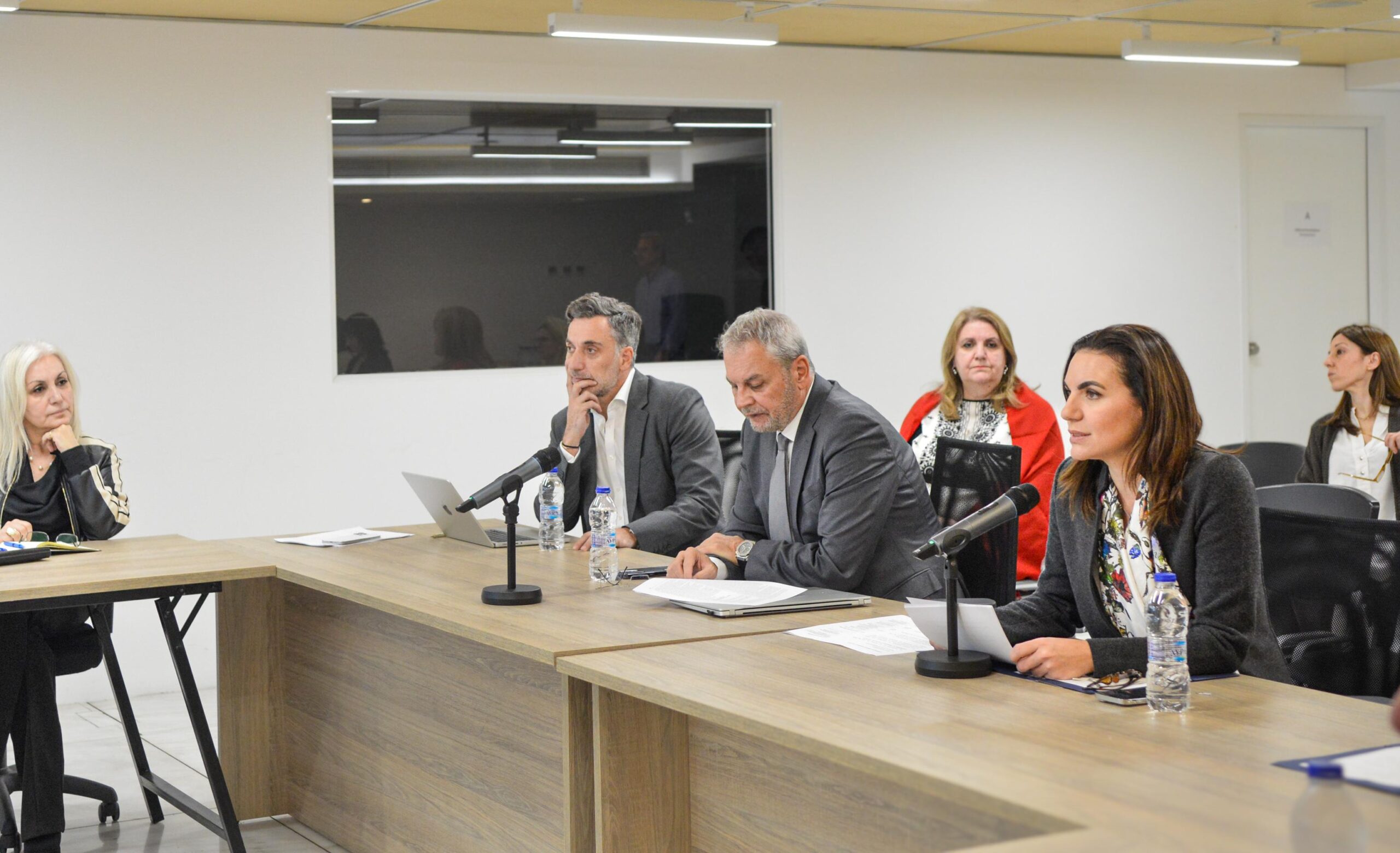
“Sustainability is no longer an option, but a necessity,” the Minister emphasized, stressing the need for innovative policies that balance tourism development with the protection of the natural and cultural environment.
Minister Kefalogianni also referred to the newly passed Law 5170/2025, which addresses crucial issues within the tourism market. Key provisions include:
- Regulations for short-term rentals: The new rules ensure the operation of accommodations in this category with functional and safety standards, including natural lighting, ventilation, and liability insurance. A mechanism for control and penalties is also introduced.
- Environmental rating system for hotels: In collaboration with the Hellenic Chamber of Hotels and the Technical Chamber of Greece, an innovative system is being implemented that rates accommodations based on environmental criteria, promoting sustainable tourism development.
- Streamlining licensing procedures: Rental car businesses, shipping agencies, and tourist ports will now be subject to a fast-track licensing process, reducing administrative burdens on businesses.
- Enhancing tourism infrastructure: Measures for the sustainable management of tourist ports and the improvement of facilities, such as the ability to pump seawater for pools, will improve service quality and help conserve valuable water resources.
- Promotion of religious and pilgrimage tourism: The Byzantine Museum is taking on a coordinating role in the “Steps of Apostle Paul” route.
- Development of year-round activities at ski resorts: Ski resorts are being transformed into multi-functional tourist facilities operating year-round.
- “Tourism for All” program: This initiative promotes mountain and alternative tourism destinations to spread tourism traffic throughout the year.
 Addressing the work of the DMMOs, which are being implemented with funds from the Recovery and Resilience Fund, Minister Kefalogianni noted that they represent an innovative approach to tourism governance at local and regional levels, providing a stable mechanism for strategic planning, promotion, and development of destinations.
“The DMMOs are a strategic tool that can significantly contribute to the sustainable development of Greek tourism, highlighting new travel experiences and lesser-known regions of our country,” the Minister added.
In closing her speech, Minister Kefalogianni emphasized the need for cooperation between the government, local authorities, and the private sector to create a sustainable and resilient tourism model.
“Greek tourism is a dynamic sector that is growing rapidly. Through innovative initiatives, sustainable practices, and strategic planning, we can ensure that Greece remains a leading global tourist destination,” the Minister concluded.