







“We want the South Aegean to become a laboratory of best practices”
Governor of the South Aegean Region, George Chatzimarkos
The South Aegean does not merely observe developments — it creates them. Through Greece’s most comprehensive sustainable tourism plan, our islands are being transformed, delivering projects and initiatives that have already produced tangible results and gained international recognition.
In Astypalea, the first “smart and sustainable” island community in the Mediterranean, e-mobility, smart transportation, and energy autonomy coexist within a fully functional ecosystem. The “Astybus” on-demand transport service, the first of its kind in Greece, serves more than 37.5% of residents, covering over 200,000 kilometers.

Chalki, the first GR-Eco Island, has achieved net-zero carbon emissions, featuring a 1 MW photovoltaic park, smart lighting, telemedicine services, and incentives for electric mobility — a living example of how public-private collaboration delivers concrete results.
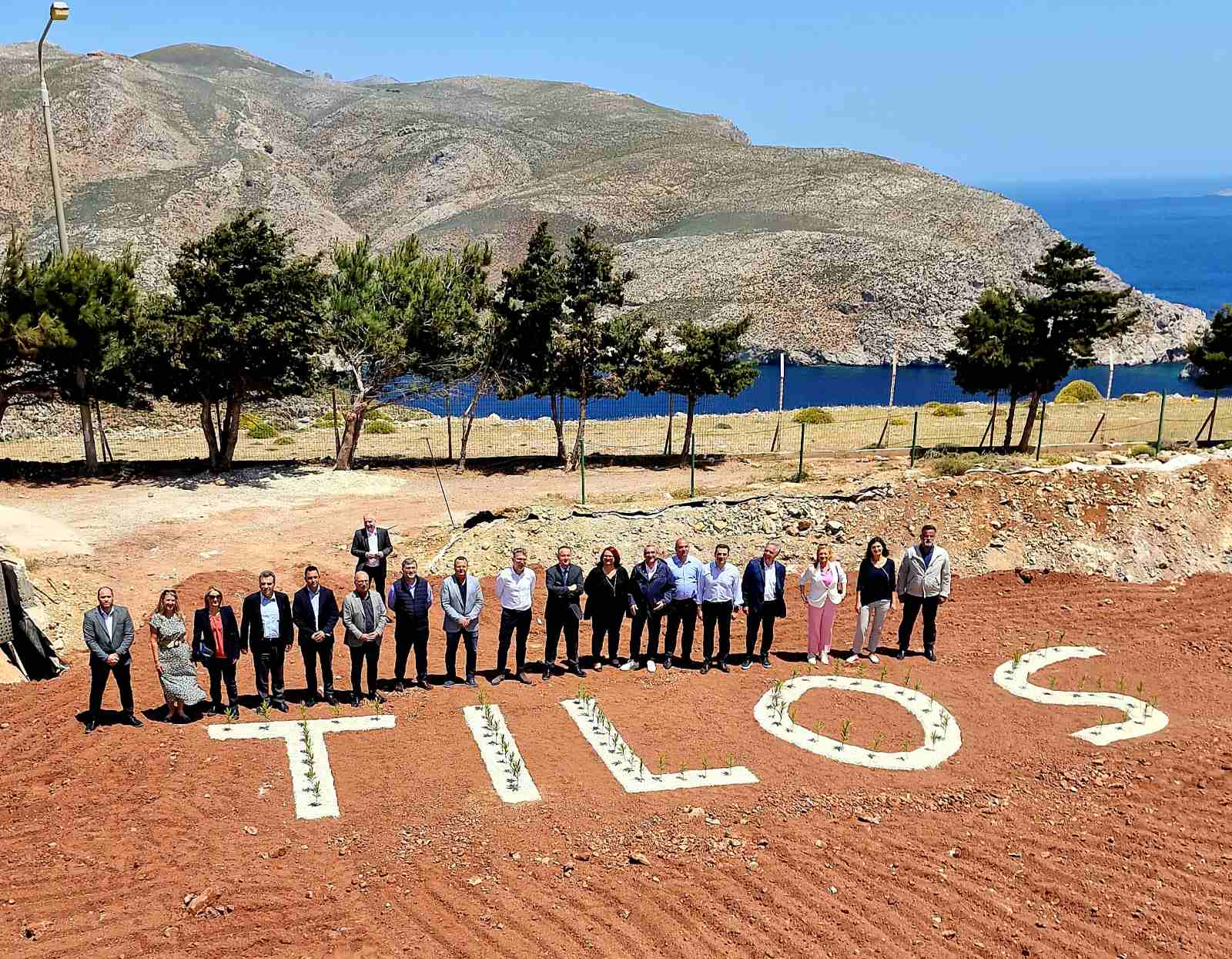
Tilos, officially the world’s first Zero Waste Island, reached 97% recycling in just two years, eliminated landfill disposal entirely, and fully embraced the circular economy through the award-winning “Just Go Zero” program.
In Rhodes, the “Rhodes Co-Lab” initiative aims to transform the island into a fully sustainable tourism destination, implementing 26 actions toward climate neutrality by 2030, including reforestation, pollution reduction, and environmental education. Active local community participation is at the heart of the strategy.

In the South Aegean, sustainability is not a vision — it is action, results, and a global benchmark. From e-mobility to the circular economy, our islands are setting the standards for the future of sustainable tourism.
Taste the South Aegean: A Culinary Journey
Where tradition, innovation, and the sea meet at the table
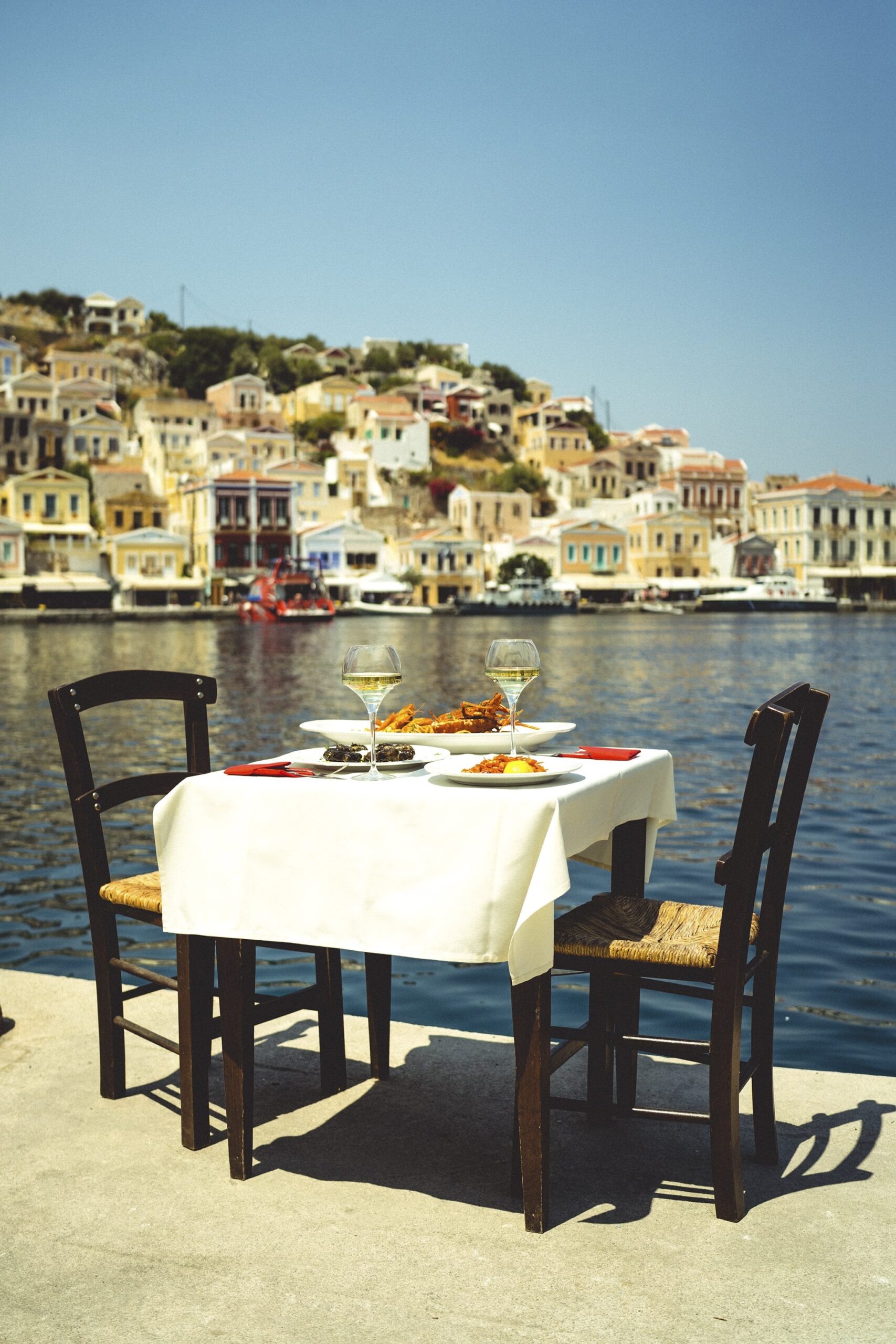

From Paros to Rhodes, and from Nisyros to Naxos, the South Aegean invites travellers to experience Greece at its most authentic. The region — encompassing the Cyclades and Dodecanese islands — is a vibrant mosaic of flavours, aromas, and centuries of culinary wisdom.
With volcanic soils, abundant sunshine, and crystal-clear waters, the South Aegean offers ingredients of exceptional quality: mineral-rich vegetables, island cheeses, pulses, honey, herbs, and freshly caught seafood. Over centuries, Venetian, Byzantine, and Ottoman influences have shaped the cuisine, transforming humble ingredients into dishes that tell stories of resilience and creativity.
Here, food is far more than sustenance — it is a celebration of life and community. From a fisherman’s simple meze by the sea to tasting menus at award-winning restaurants, the gastronomy of the South Aegean bridges the past and future of Greek cuisine.
In 2019, the region was named European Region of Gastronomy, a distinction reflecting its commitment to sustainable culinary heritage. Through initiatives such as Aegean Cuisine (aegeancuisine.org), producers, chefs, and restaurateurs collaborate to preserve local identity, support small-scale farming, and promote authentic island gastronomy. Young chefs now serve as ambassadors of Greek cuisine worldwide, while Aegean restaurants are regularly celebrated at the Greek Cuisine Awards.
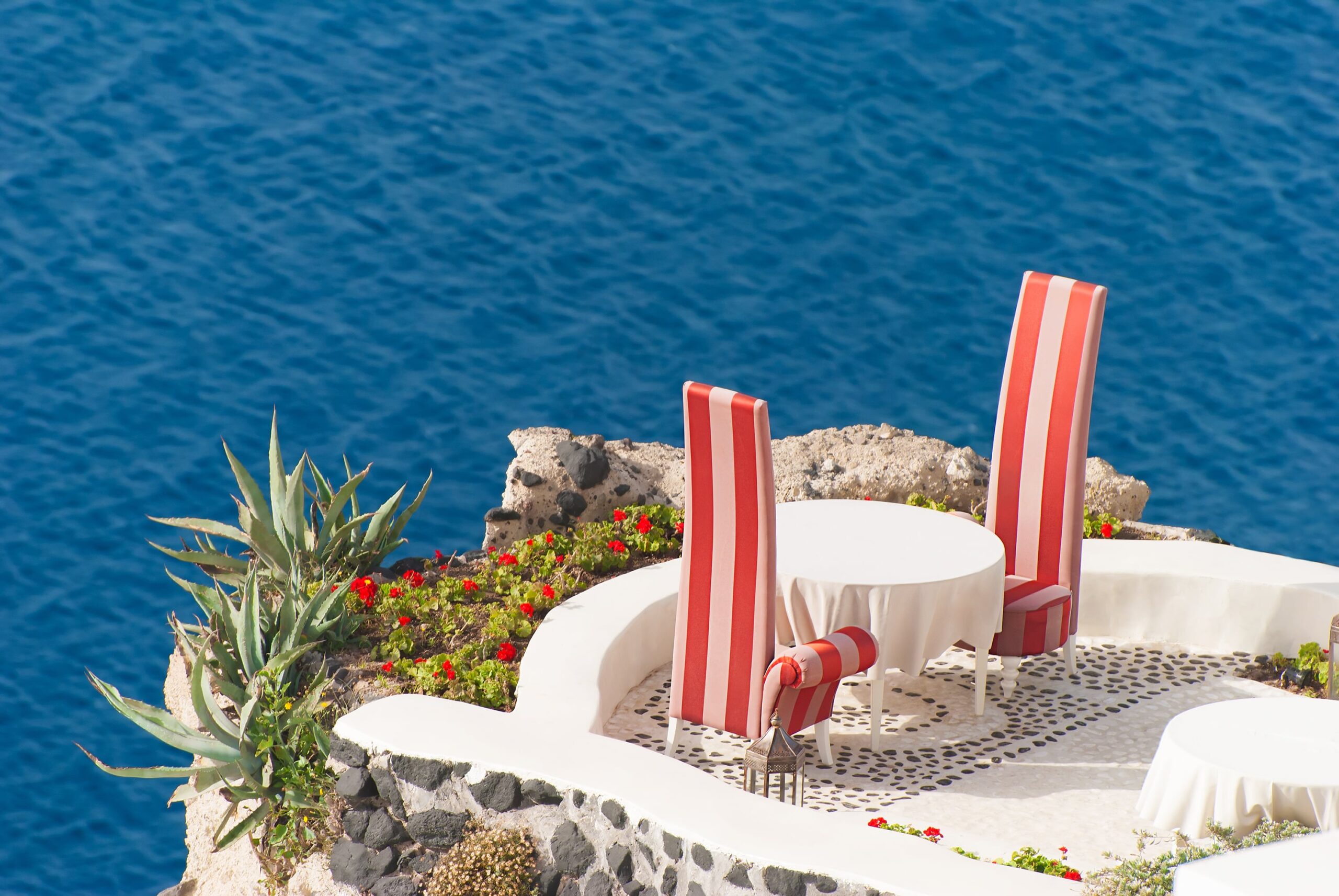
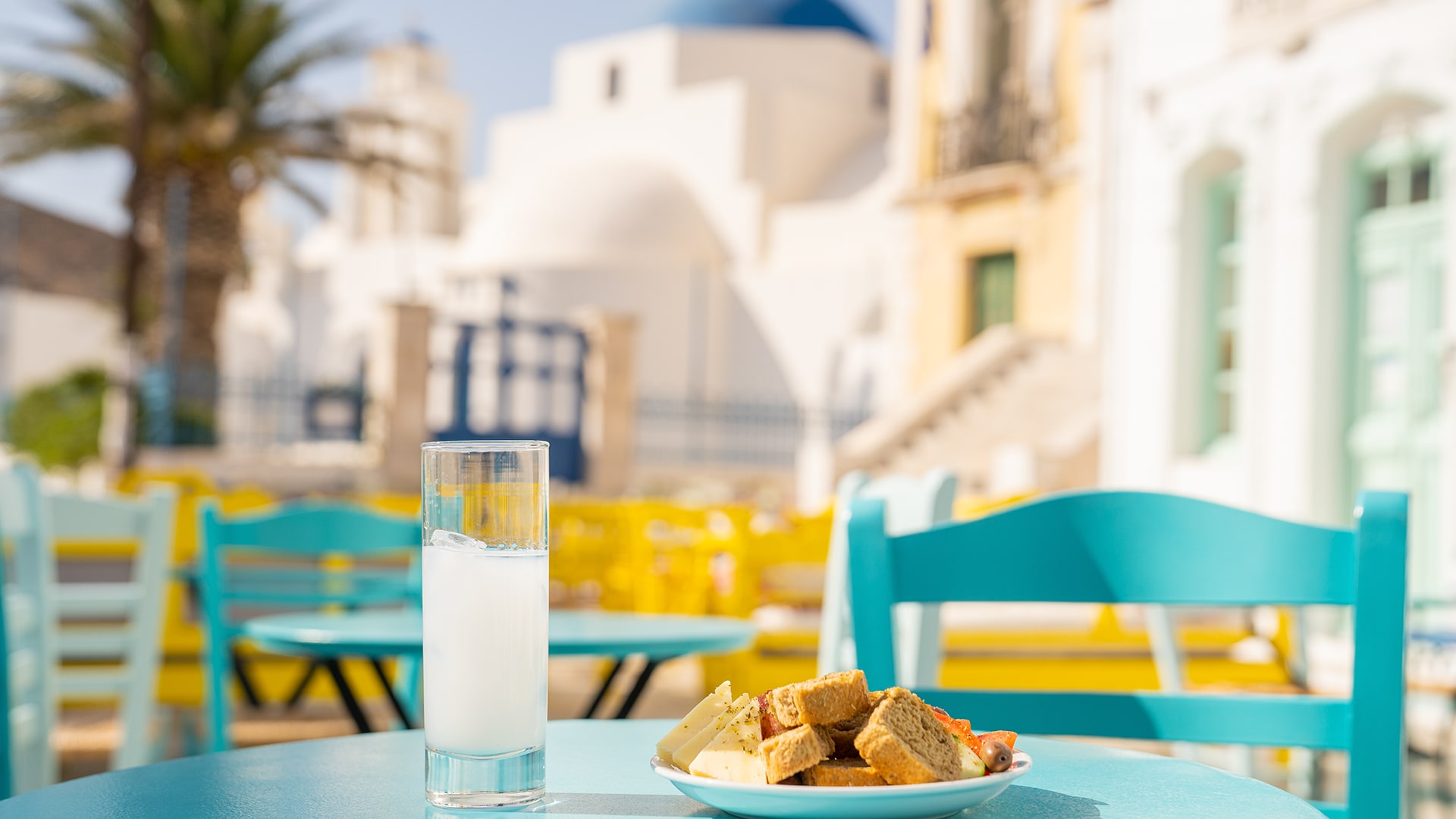
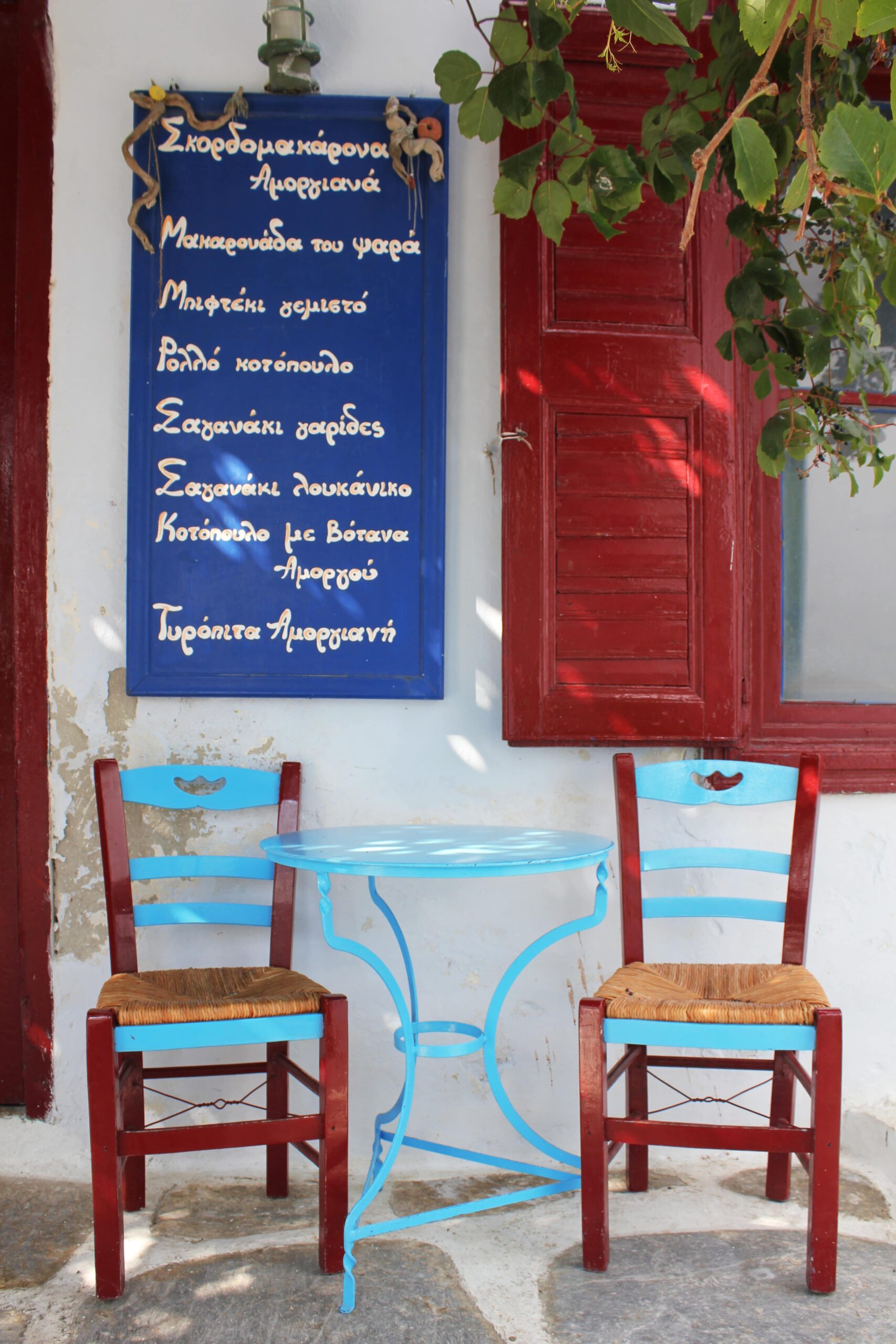
Cyclades: Islands Brimming with Flavour
- Unique microclimates and volcanic soils enrich the taste of local produce.
- Signature products: Naxos potatoes, Tinos artichokes, Santorini cherry tomatoes, and fava.
- Local dishes reflect creativity and survival across the centuries.
Dodecanese: A Multi-Ethnic Culinary Mosaic
- Fertile lands, mountains, and the sea shape distinctive flavours.
- Farm-to-table culture: chefs grow their own produce or fish from traditional caiques.
Specialties: the sweet melekouni of Rhodes, traditional pithia from Nisyros, and fragrant honey from Kos.
Whether wandering through a local market, joining a cooking class, or attending a village festival under the stars, the South Aegean offers travellers the true taste of Greece — a flavour that lingers on the palate and in the heart.