






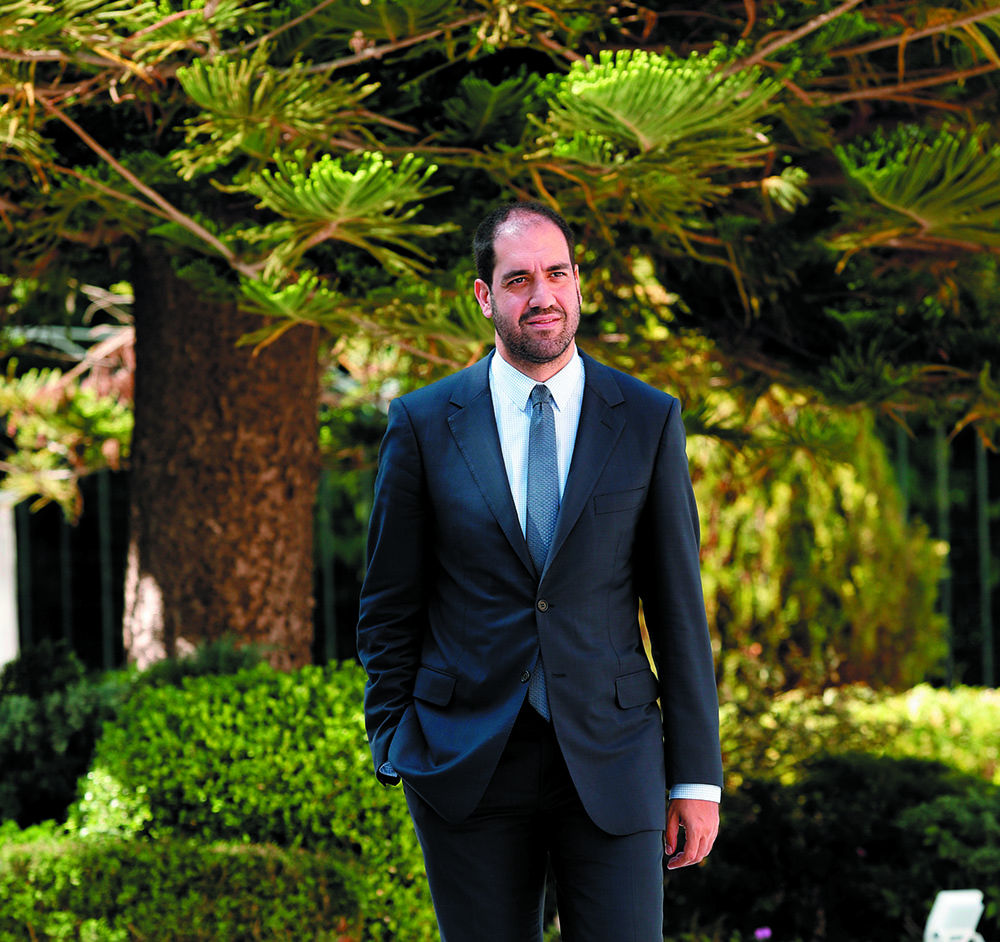
Interview with the Deputy Minister of Infrastructure and Transport, Mr. Yannis Kefalogiannis to Antonis Kirikos.
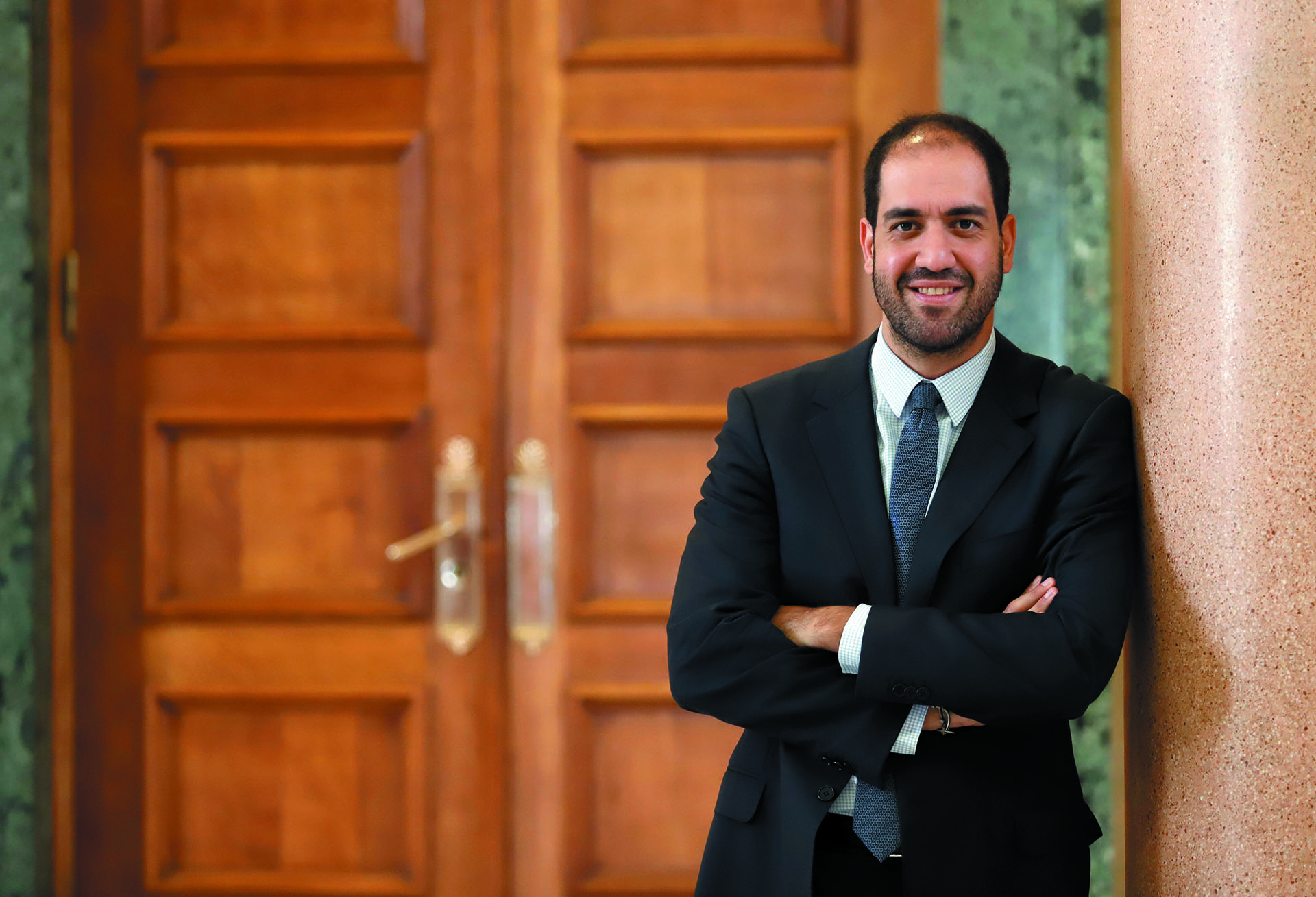
The major projects that will lead to the recovery of the Greek economy, the programme to support the Public Transport, the development of tourism through waterways, the upgrading of the bus services and his beloved Crete, are “starring” in the interview of the Deputy Minister of Infrastructure and Transport Yannis Kefalogiannis to grtraveler.
What are the main actions you have taken to limit the impact of COVID-19 in the key sectors of transport and transport services?
The sector we oversee in the Ministry of Infrastructure and Transport was hit asymmetrically by the pandemic, because by its nature it involves constant contact between people. Air transport, as well as rail, intercity and urban transport, suffered a huge blow.
Our action was focused in two directions. The first was the implementation of health and safety measures everywhere, from the depots of urban transport to the construction sites of public works. The second direction was to immediately issue dozens of administrative decisions that made it easier for citizens and professionals to continue unhindered transport work in all its aspects. Let me note that in all this time since the imposition of the first quarantine, there have been no shortages in the market, as, in addition to the continuity of the transport project, we have ensured the smooth functioning of the supply chain sector.
This will be followed by a further 655 permanent recruitments of drivers and technicians in OSI and STASY, through AΣEP, as well as the purchase of 300 additional buses through leasing.
How did you deal with the “difficult equation”: public transport and the dispersion of COVID-19?
The pandemic is not yet over and every day we are fighting to get more and more services on public transport and to serve people. I recall that with the coronavirus outbreak there was a directive from the EODY to limit the number of passengers in order to comply with health rules. We immediately tried to comply and organised a corps of passenger assistants who explained to people what to do. At the same time, disinfection and personal protective equipment was started and distributed to exposed staff, and partitions were placed between the driver and passengers on the buses. These are the immediate measures. At the same time, we have for months now been proceeding with the largest fleet and staff reinforcement programme in more than 10 years. In July 2019 we received 850 buses on the route board and we are currently at 1,150, through the partnership with the bus operators. With this agreement, in addition to the 203 vehicles added to the fleet, the number of staff increases by approximately 550. This will be followed by a further 655 recruitments of permanent staff of drivers and technicians in OSI and STASY, through AΣEP, as well as the purchase of 300 additional buses through leasing. With all these actions, in a few months’ time the urban transport picture will be significantly better. All these are medium-term measures because the long-term solution is the big tender for the supply of about 1,300 new buses in Athens and Thessaloniki, which will solve the problem once and for all.
How is the Ministry of Infrastructure and Transport’s plan for major projects across Greece shaping up?
The Ministry of Infrastructure and Transport has prepared a comprehensive plan of projects worth a total of 13 billion, as stated by Minister Kostas Karamanlis. A significant part of this activity, which is necessary for the recovery of the Greek economy, will be included in the national plan for the European Union’s Recovery Fund. It is an opportunity for our country and we are already working to strengthen infrastructure such as port connections with road and rail networks. We are seeking to strengthen sectors that will add value to our country, such as the supply chain, combined transport and intelligent transport systems.
What is the status of the planned project for the relocation of the bus services to the modern station in Elaionas? Is there a timetable?
The new bus station in Elaionas will not only contribute to the improvement of intercity transport services, but also to the upgrading of a sensitive and historic area of the capital. The economic and technical studies for the implementation of this important project have been completed and submitted to Attiko Metro SA. The company is then expected to grant the land for the construction of the station and the next step is to launch a tender to select the contractor.
…a network of seaplane flights will literally raise the level of communication between the mainland and island destinations…
Is the existence of waterways a “bet” for you? What changes will they bring to the daily life of islanders and to the development of tourism?
The new law we have adopted on waterways is an important reform that would have been seen if the exceptional circumstances of the pandemic had not hit tourism so hard. We have worked methodically and prepared an institutional framework that drastically reduces the bureaucracy for the establishment and operation of waterports, which was rendered ineffective by the previous inapplicable law, and in addition, we have also enabled private individuals to develop this initiative. And not only in the public sector, as was the case before. This means in practice, to speak in names, that the PPA and the PPA today can establish waterways, as well as licensed private marinas, or marinas licensed to private parties. Apart from tourism and what this implies for the economy, a network of seaplane flights will literally raise the level of communication between the mainland and island destinations that currently have no direct air connection, with benefits that have many economic, social and even national implications.
What was your most difficult moment in ministry?
The most difficult moment, I think for the whole government, was the outbreak of the pandemic, which upset all the planning we had done since we took office and imposed a different day-to-day routine. By way of example, in the first two months of 2020, we started to see an increase in transport revenues as a result of the decision to open five additional ticket offices at Metro stations to better serve people and eliminate queues in front of the electronic ticketing machines. All of this effort evaporated in a few weeks and all of our actions, of course, were geared exclusively towards the observance of personal protection measures.
…my thoughts go straight to Crete, my place of origin.
What do you like to do in your free time?
Most of the day’s time is devoted to the affairs of the Ministry. In the few remaining hours I try to read a book or find a chance to exercise. I have a special affinity for basketball.
Your two favorite destinations in Greece and abroad?
My favourite destination abroad is New York, where I was lucky enough to study. Truly, it is a city unique in the world. As far as Greece is concerned, my thoughts go straight to Crete, my place of origin. But I think, and objectively, Rethymno, my hometown, and the rest of Crete has unsurpassed beauty.