






You gossipy little fella,
you really turned on the party.
Hurry up and bring it back,
dancing, laughing, carnival.
Rena Karthaiou,
“Carnival”
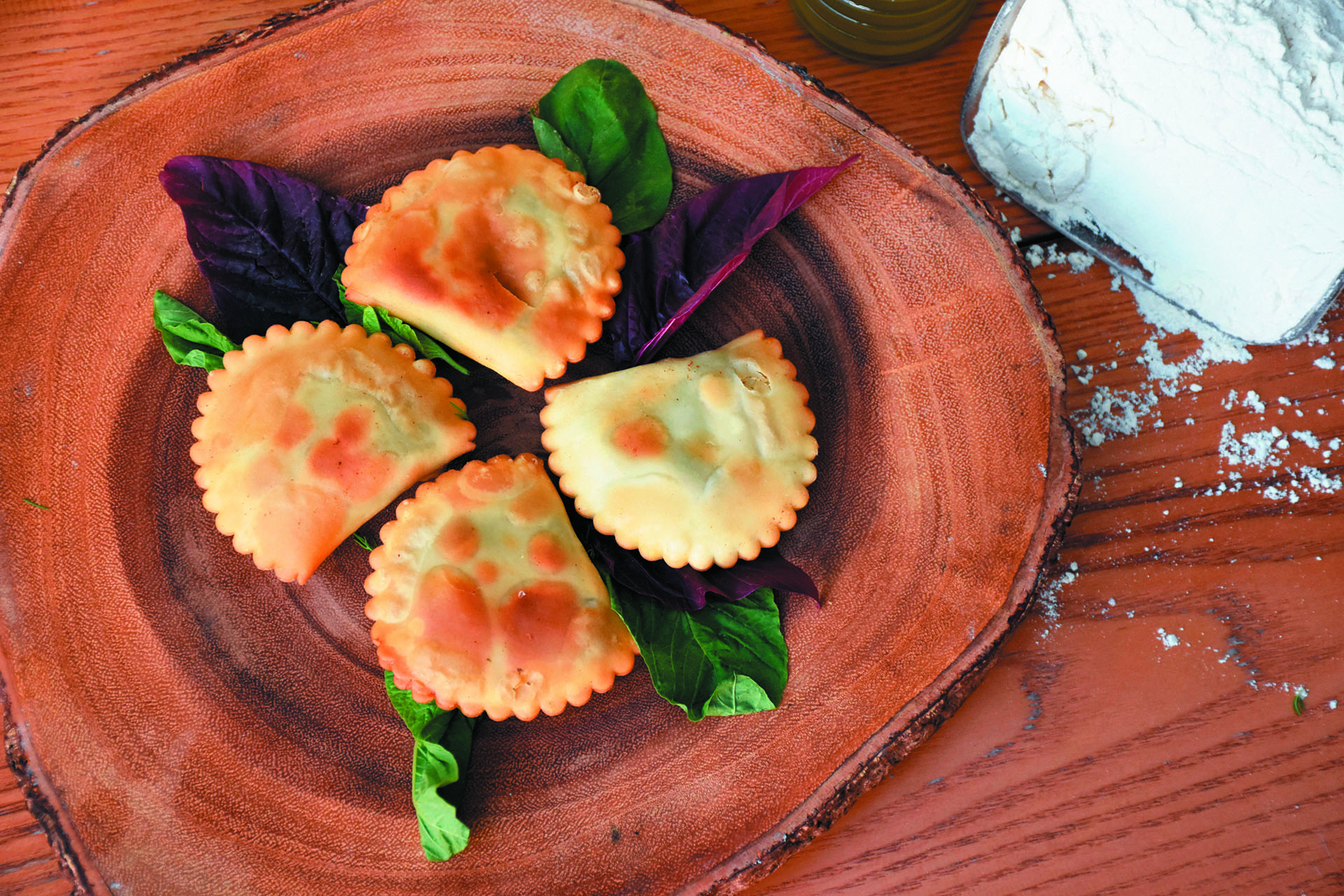
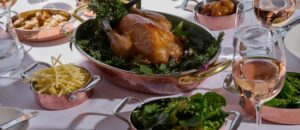
Milk pies and chiken meat, sweets and plenty of wine, laughter, banter, dances, carnivals and masquerades.
The Triduum begins on February 21 and with it three weeks of frenzied Dionysian revelry or, in its religious dimension, a period of physical and spiritual preparation for the coming of the Easter fast.
The protagonist of the trio is undoubtedly the food, which has its own traditional colour and a different composition each week.
The first week is called the Prephoni, because in the old days the telalis would come out and proclaim that the Triodion was beginning, so that people could make the necessary preparations and food supplies. They usually had a domestic animal, a pig or a goat that they fed for these days. In Zakynthos, on the Sunday of the goats, the first Sunday of the Triodion, they cooked goat, usually with green garlic.
During the week of the Cretan week or the Apocrypha, meat is the order of the day.
Without any religious restrictions, we cook meat every day, culminating in Tsikno Thursday and the customs that follow it.
The smell of pork, goat or veal as it roasts is everywhere and the feast is “on fire”.
Short ribs, skewers and various grilled meats. In the Peloponnese, on Tsiknopet Thursday, they slaughter pork and make pichti, tigari and sausages.
In Komotini, engaged couples exchange food. The man sends the “kurko”, i.e. a chicken and the woman sends baklava and a stuffed chicken.
In Zakynthos, they cook lamb fricassee with rice, roast lamb and polpetes (meatballs).
In Crete, on the Sunday of the Apocreses, they cook “joulama”, a rice pie with chicken or lamb liver and many spices, while in Kythera, they make the impressive Venetian pastitsio, pasta with pieces of liver wrapped in sweet dough.
Halloween Sunday gives way to the third and last week of the Triduum, the so-called Tyrrhynian. The meat-eating stops while we continue to eat eggs and all kinds of dairy products (cheese, milk, yoghurt, etc.). Cretan squioufichta and all kinds of handmade pasta served with plenty of cheese always find a place on the table this week. Fluffy Euboean cheese pies with plenty of eggs and local sour cheese, soft Cretan agnopites with sour cream and pies without dough, take us on a journey to the culinary tradition of our land these days.
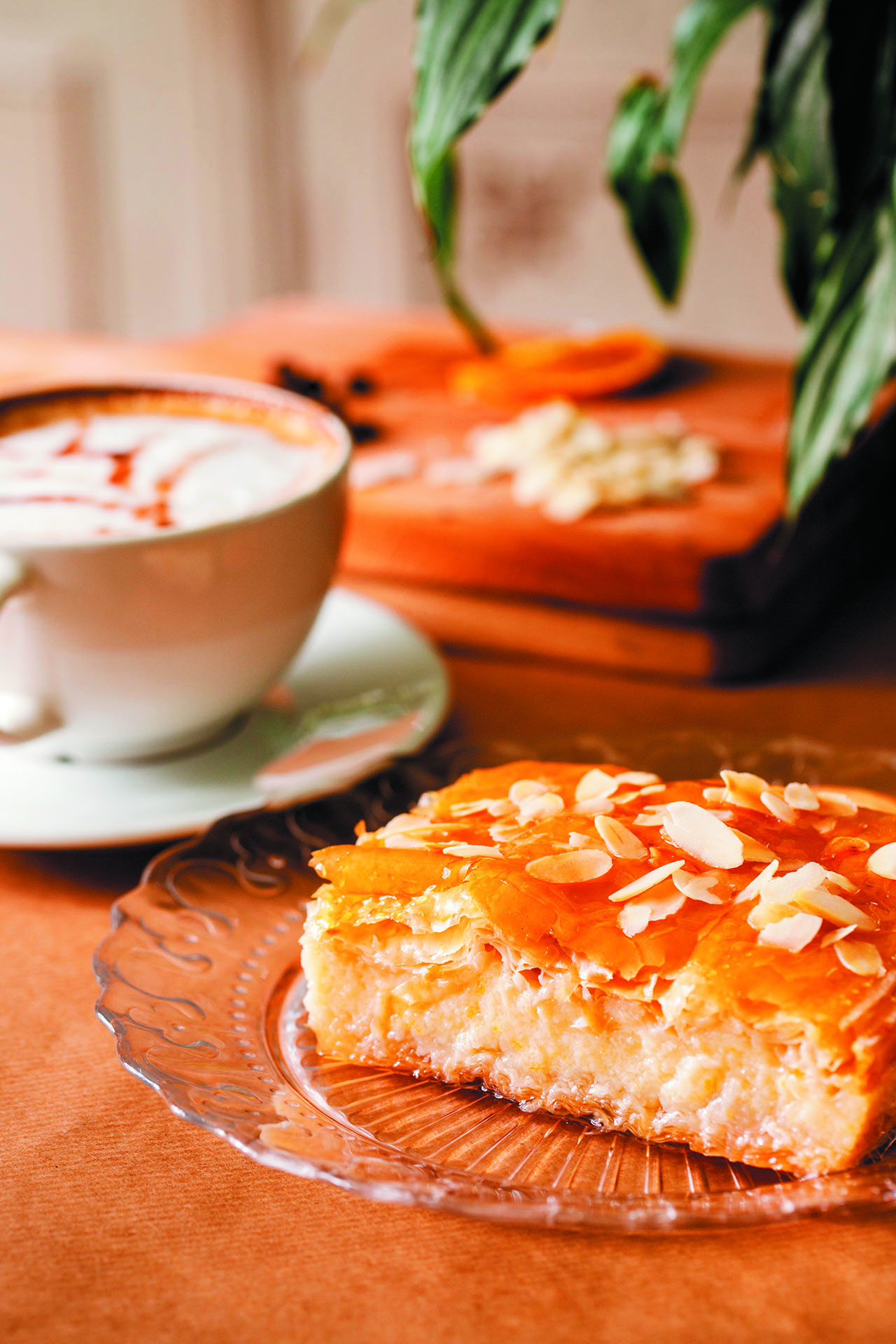
And as is always customary, a delicious meal is always topped off with a nice dessert. Very popular are galaktoboureko, traditional baklava and doughnuts with pure honey and grated nuts.
So, bon appétit and Happy Lent!