






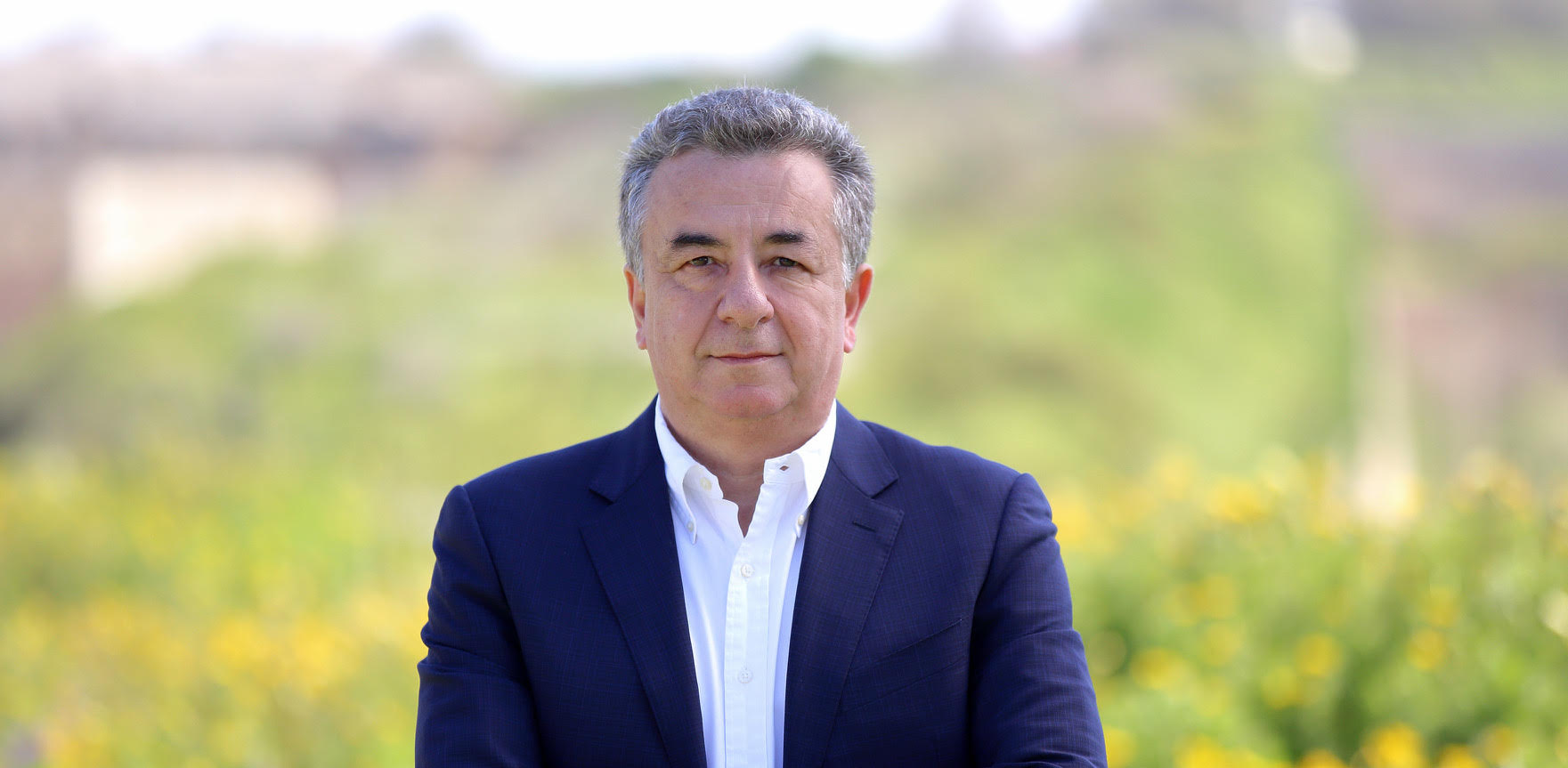
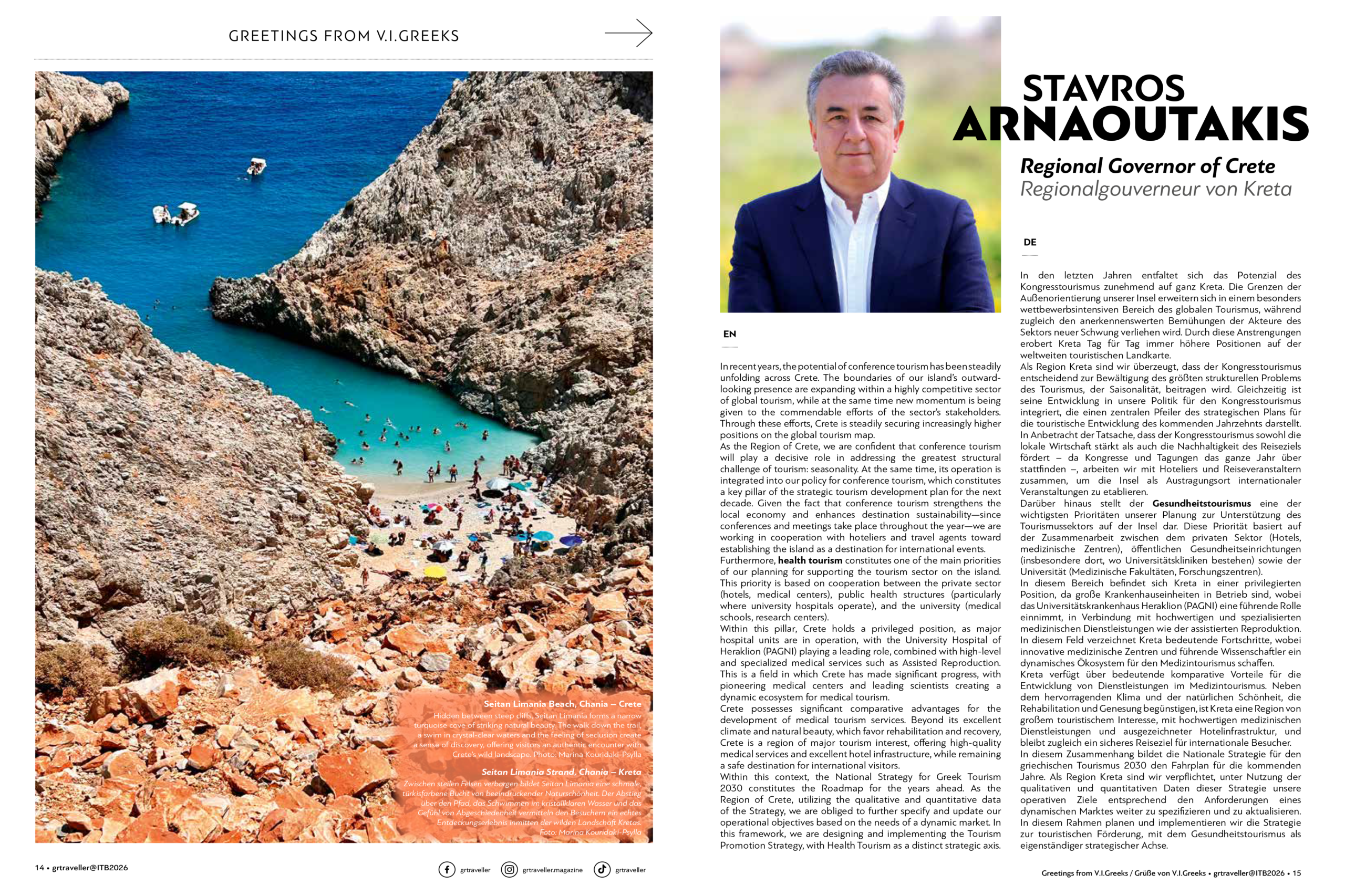
STAVROS ARNAOUTAKIS | GOVERNOR OF CRETE
In recent years, the potential of conference tourism has been steadily unfolding across Crete. The boundaries of our island’s outward-looking presence are expanding within a highly competitive sector of global tourism, while at the same time new momentum is being given to the commendable efforts of the sector’s stakeholders. Through these efforts, Crete is steadily securing increasingly higher positions on the global tourism map.
As the Region of Crete, we are confident that conference tourism will play a decisive role in addressing the greatest structural challenge of tourism: seasonality. At the same time, its operation is integrated into our policy for conference tourism, which constitutes a key pillar of the strategic tourism development plan for the next decade. Given the fact that conference tourism strengthens the local economy and enhances destination sustainability—since conferences and meetings take place throughout the year—we are working in cooperation with hoteliers and travel agents toward establishing the island as a destination for international events.
Furthermore, health tourism constitutes one of the main priorities of our planning for supporting the tourism sector on the island. This priority is based on cooperation between the private sector (hotels, medical centers), public health structures (particularly where university hospitals operate), and the university (medical schools, research centers).
Within this pillar, Crete holds a privileged position, as major hospital units are in operation, with the University Hospital of Heraklion (PAGNI) playing a leading role, combined with high-level and specialized medical services such as Assisted Reproduction. This is a field in which Crete has made significant progress, with pioneering medical centers and leading scientists creating a dynamic ecosystem for medical tourism.
Crete possesses significant comparative advantages for the development of medical tourism services. Beyond its excellent climate and natural beauty, which favor rehabilitation and recovery, Crete is a region of major tourism interest, offering high-quality medical services and excellent hotel infrastructure, while remaining a safe destination for international visitors.
Within this context, the National Strategy for Greek Tourism 2030 constitutes the Roadmap for the years ahead. As the Region of Crete, utilizing the qualitative and quantitative data of the Strategy, we are obliged to further specify and update our operational objectives based on the needs of a dynamic market. In this framework, we are designing and implementing the Tourism Promotion Strategy, with Health Tourism as a distinct strategic axis.
_____________________________________________________________________________________________________________________________________
George Hatzimarkos | Governor South Aegean Region
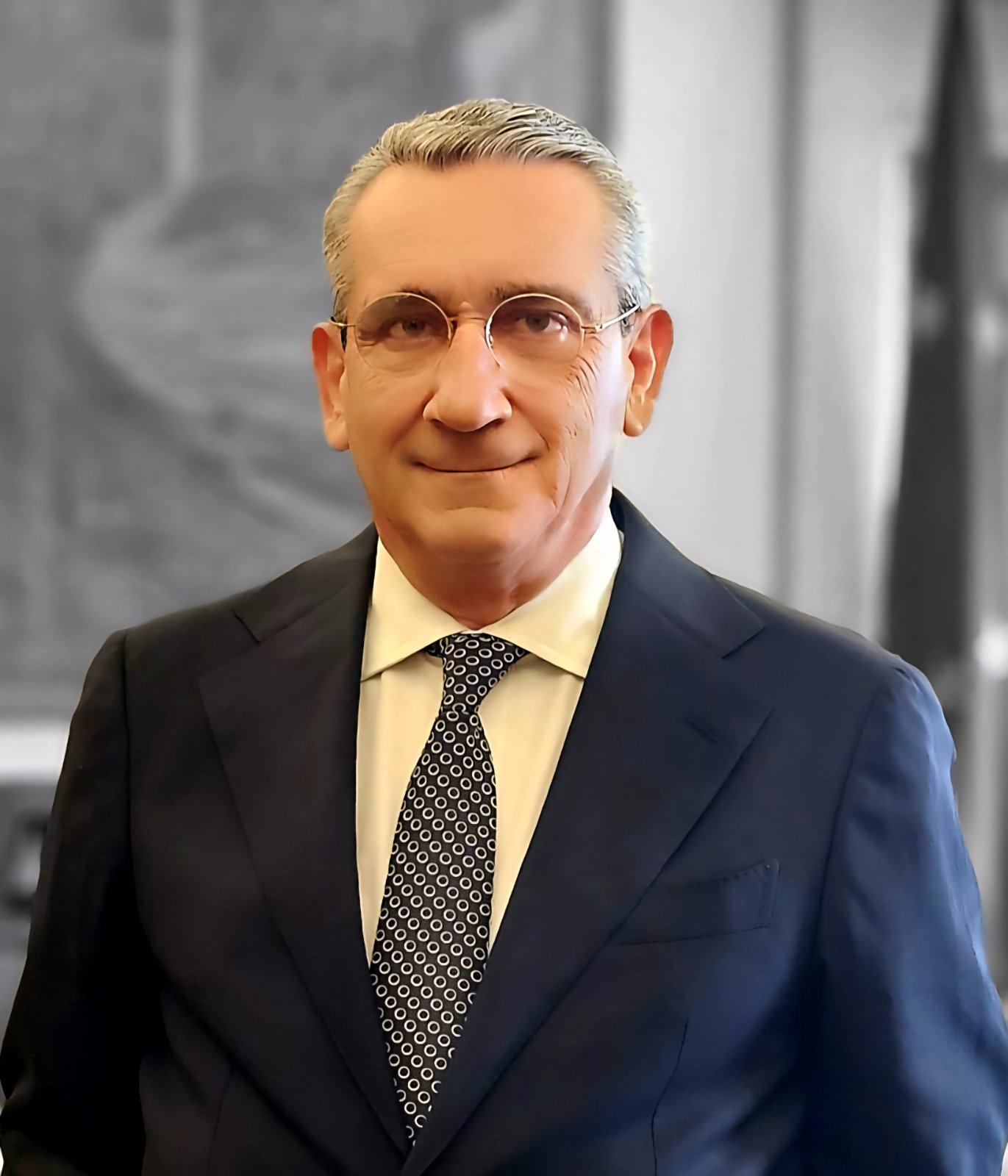
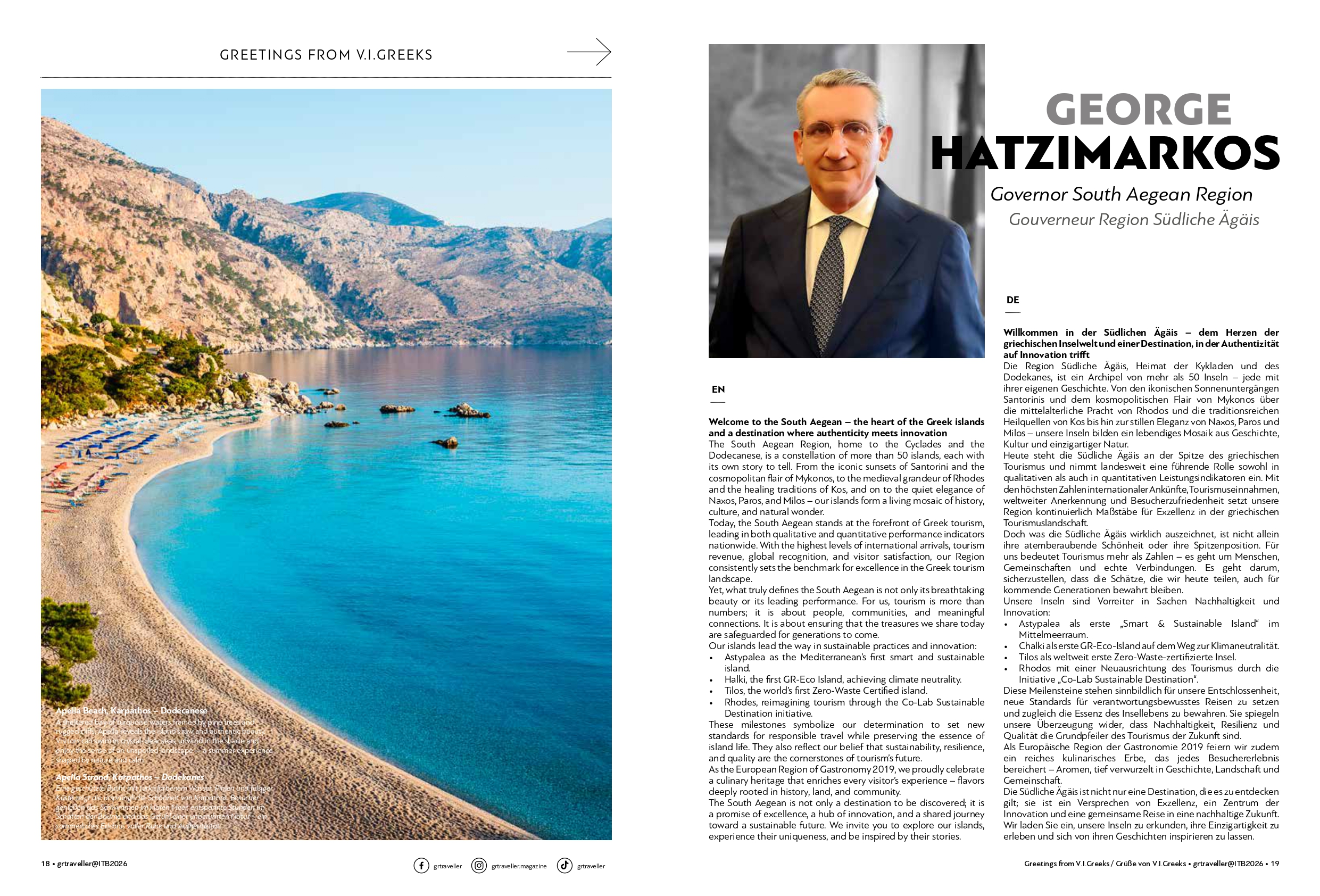
Welcome to the South Aegean – the heart of the Greek islands and a destination where authenticity meets innovation
The South Aegean Region, home to the Cyclades and the Dodecanese, is a constellation of more than 50 islands, each with its own story to tell. From the iconic sunsets of Santorini and the cosmopolitan flair of Mykonos, to the medieval grandeur of Rhodes and the healing traditions of Kos, and on to the quiet elegance of Naxos, Paros, and Milos – our islands form a living mosaic of history, culture, and natural wonder.
Today, the South Aegean stands at the forefront of Greek tourism, leading in both qualitative and quantitative performance indicators nationwide. With the highest levels of international arrivals, tourism revenue, global recognition, and visitor satisfaction, our Region consistently sets the benchmark for excellence in the Greek tourism landscape.
Yet, what truly defines the South Aegean is not only its breathtaking beauty or its leading performance. For us, tourism is more than numbers; it is about people, communities, and meaningful connections. It is about ensuring that the treasures we share today are safeguarded for generations to come.
Our islands lead the way in sustainable practices and innovation:
• Astypalea as the Mediterranean’s first smart and sustainable island.
• Halki, the first GR-Eco Island, achieving climate neutrality.
• Tilos, the world’s first Zero-Waste Certified island.
• Rhodes, reimagining tourism through the Co-Lab Sustainable Destination initiative.These milestones symbolize our determination to set new standards for responsible travel while preserving the essence of island life. They also reflect our belief that sustainability, resilience, and quality are the cornerstones of tourism’s future.
As the European Region of Gastronomy 2019, we proudly celebrate a culinary heritage that enriches every visitor’s experience – flavors deeply rooted in history, land, and community.
The South Aegean is not only a destination to be discovered; it is a promise of excellence, a hub of innovation, and a shared journey toward a sustainable future. We invite you to explore our islands, experience their uniqueness, and be inspired by their stories.
____________________________________________________________________________________________________________________________________
Yiannis Moralis | Mayor of Piraeus
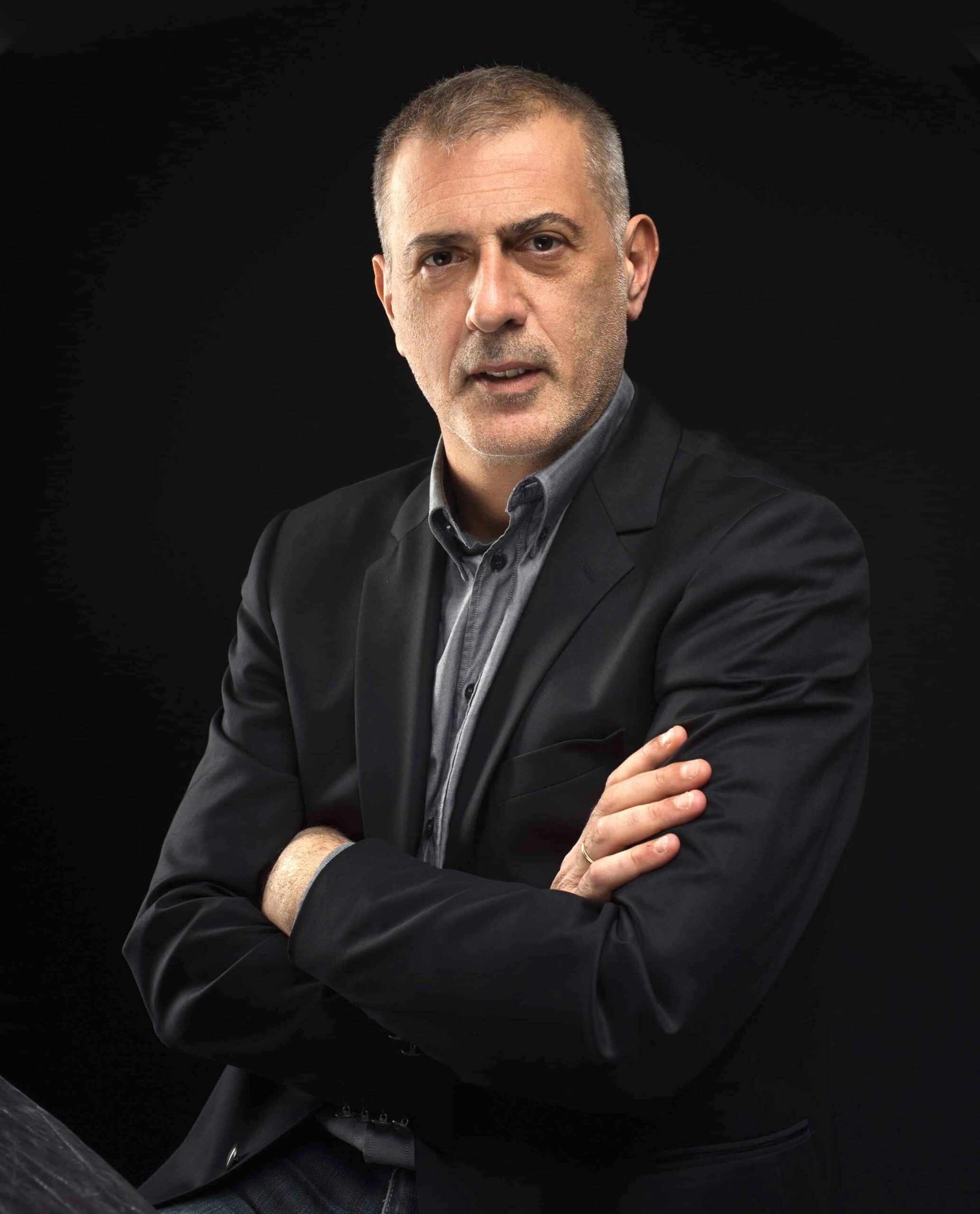
Dear friends,
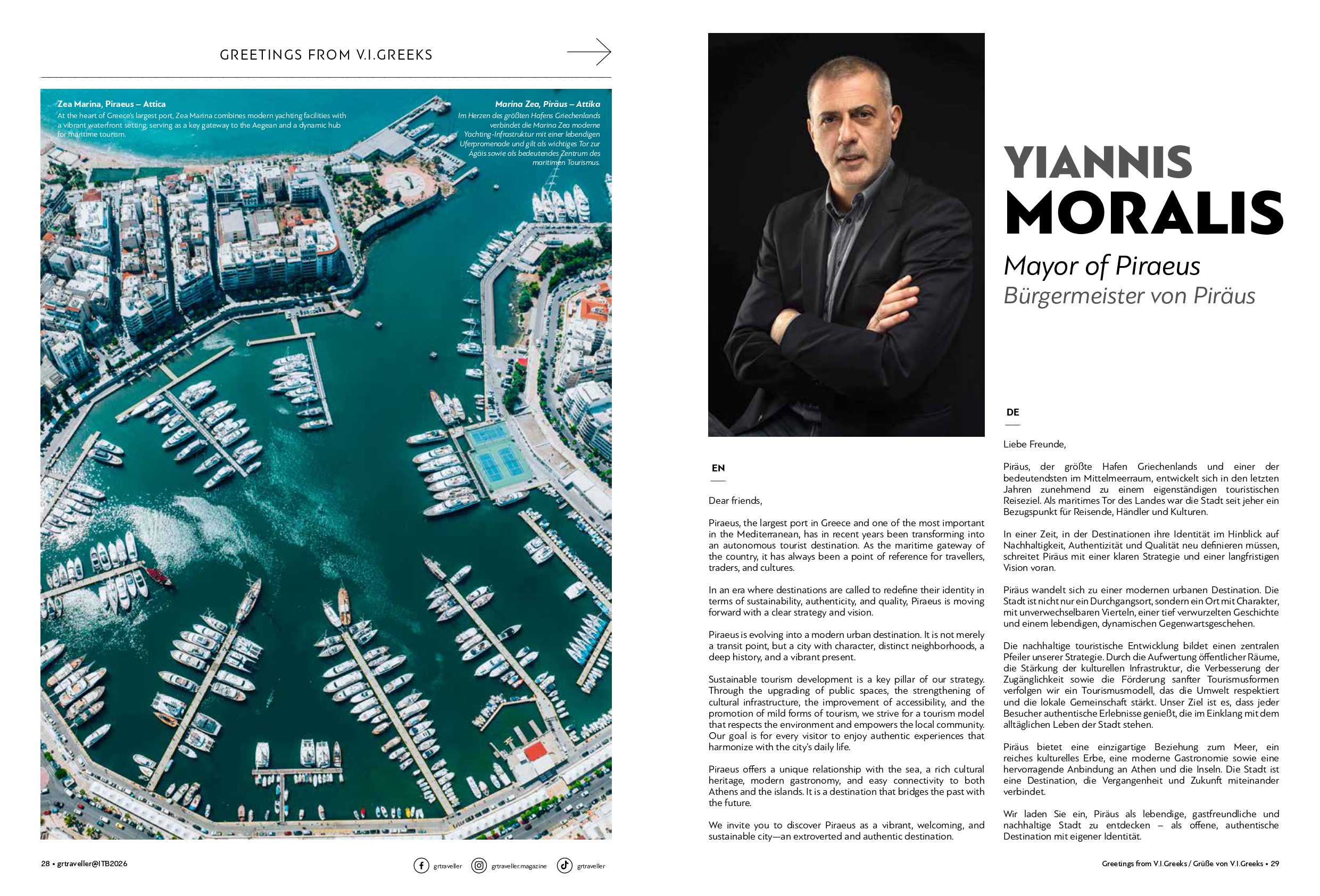
Piraeus, the largest port in Greece and one of the most important in the Mediterranean, has in recent years been transforming into an autonomous tourist destination. As the maritime gateway of the country, it has always been a point of reference for travellers, traders, and cultures.
In an era where destinations are called to redefine their identity in terms of sustainability, authenticity, and quality, Piraeus is moving forward with a clear strategy and vision.
Piraeus is evolving into a modern urban destination. It is not merely a transit point, but a city with character, distinct neighborhoods, a deep history, and a vibrant present.
Sustainable tourism development is a key pillar of our strategy. Through the upgrading of public spaces, the strengthening of cultural infrastructure, the improvement of accessibility, and the promotion of mild forms of tourism, we strive for a tourism model that respects the environment and empowers the local community. Our goal is for every visitor to enjoy authentic experiences that harmonize with the city’s daily life.
Piraeus offers a unique relationship with the sea, a rich cultural heritage, modern gastronomy, and easy connectivity to both Athens and the islands. It is a destination that bridges the past with the future.
We invite you to discover Piraeus as a vibrant, welcoming, and sustainable city—an extroverted and authentic destination.
_______________________________________________________________________________________________________________________________-
..
Dimitris Fragakis
President of New Metropolitan Attica S.A.
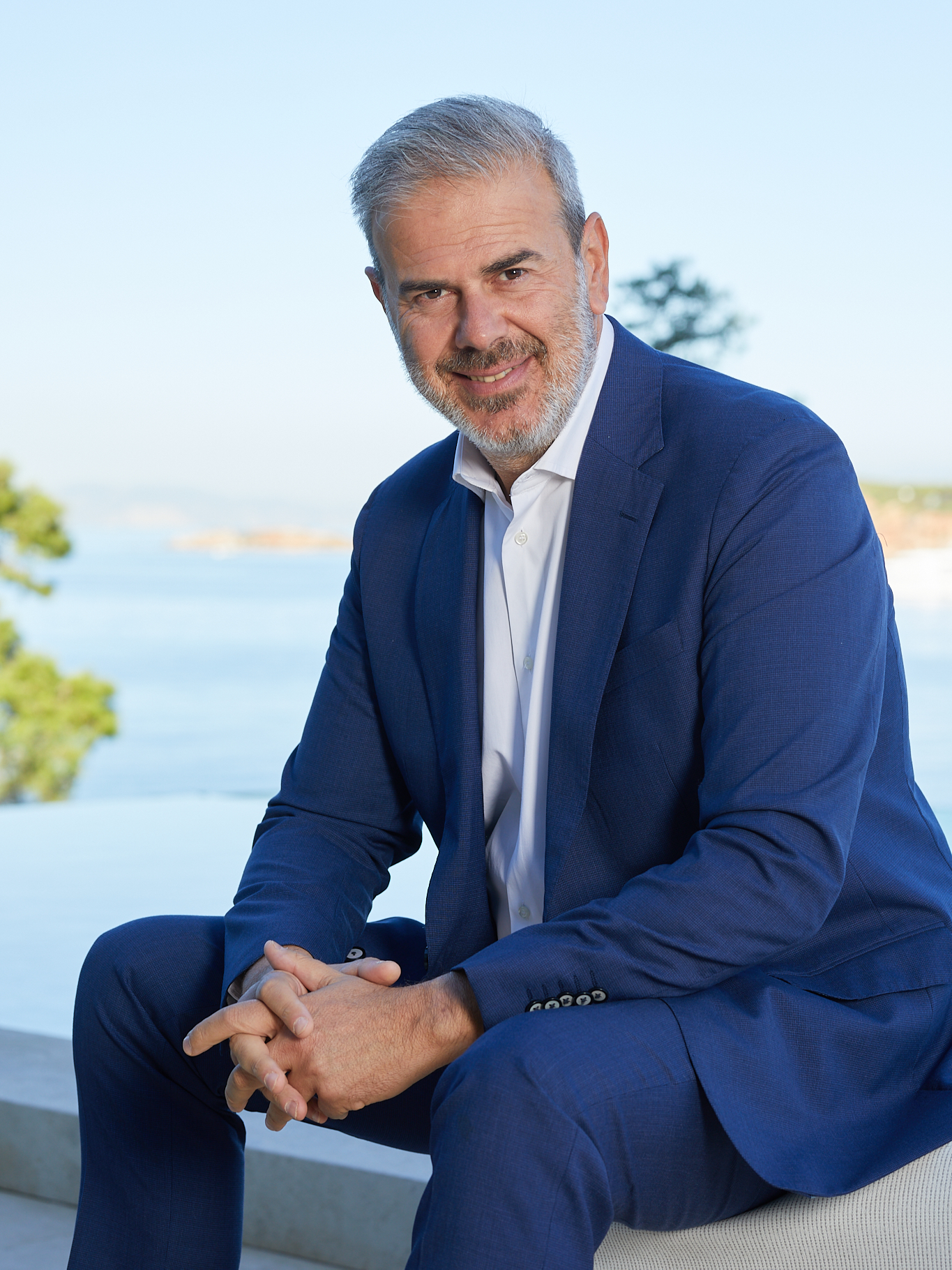
Attica is no longer just the “gateway” to the Aegean, but an autonomous, multidimensional destination being redefined with a focus on sustainability and quality. At “New Metropolitan Attica S.A.,” in collaboration with the Region of Attica, we are working systematically to ensure that tourism development goes hand-in-hand with environmental respect, the promotion of local identity, and the distribution of visitors throughout the entire year.
Conference Tourism (MICE) is a strategic priority for us. Attica possesses the infrastructure, expertise, and safety required to host world-class events. Our goal is to establish the region as the leading business hub of the Mediterranean, while simultaneously boosting off-peak tourist traffic—a move that defines economic sustainability for local businesses.
We are also working systematically to promote wine tourism. The Attic Vineyard, one of the oldest in the world, represents a comparative advantage that we are constantly upgrading by supporting local wineries and building bridges with tourism professionals.
Attica offers the rare privilege of direct proximity to the sea, particularly during the summer months. We are investing in the promotion of the Athenian Riviera as a modern, international pole of attraction that combines luxury with sustainable urban infrastructure. Naturally, the Saronic Islands play a vital role in this, serving as Attica’s “hidden gem.” Through targeted campaigns, we highlight their authenticity by promoting activities such as hiking and cultural tours, moving away from the mass tourism model.
Our vision for the New Metropolitan Attica is clear: A destination that offers authentic experiences 365 days a year, while protecting its heritage and natural wealth for future generations.
____________________________________________________________________________________________________________________________________
ALEXANDROS VASSILIKOS
PRESIDENT OF HELLENIC CHAMBER OF HOTELS AND PRESIDENT OF HORTREC
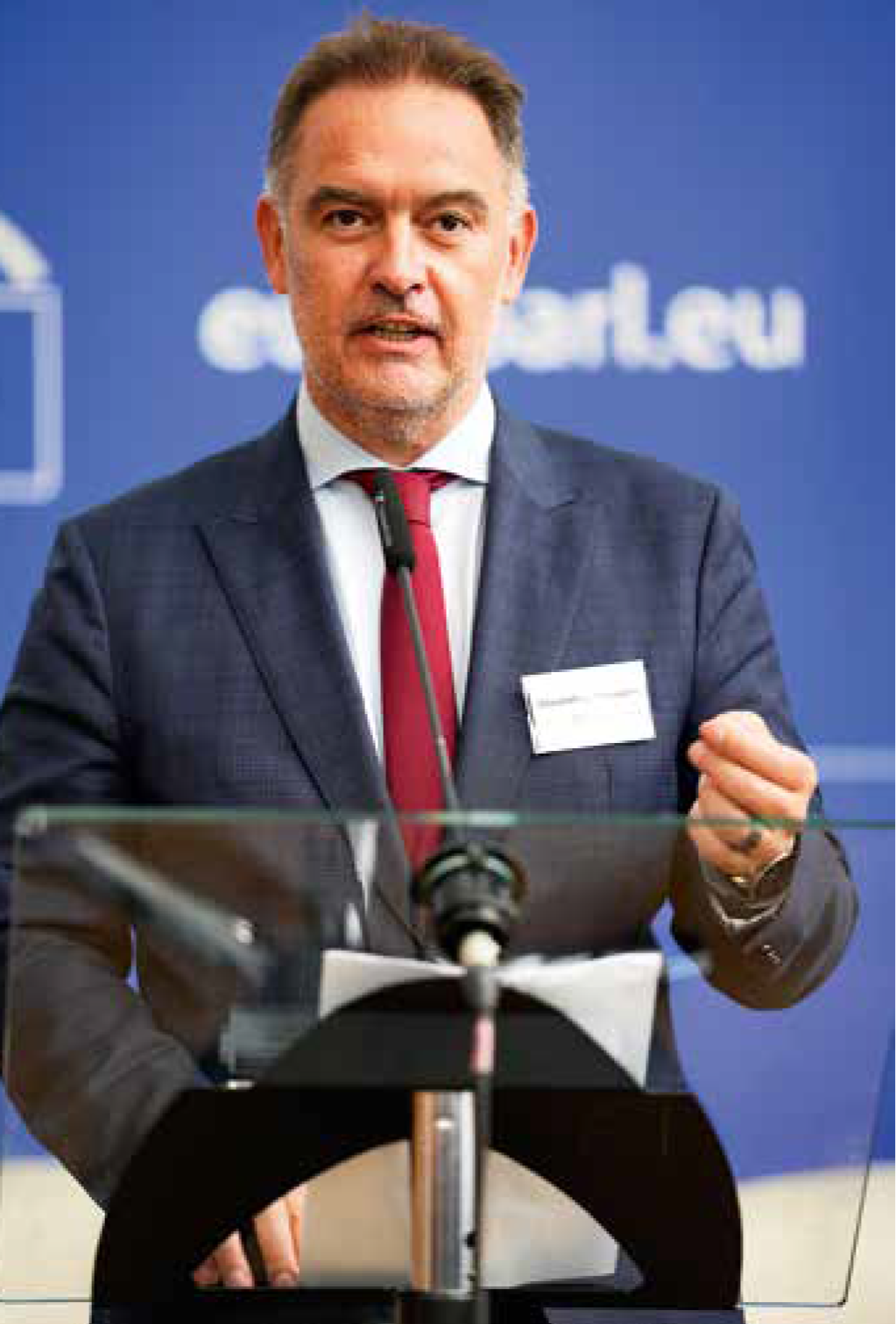
Greece’s presence at ITB Berlin each year is an opportunity to talk not only about “arrivals,” but about what a destination means today. Place, culture, heritage, authenticity, and above all responsibility toward the people and the environment that host us.
Sustainability is not a decorative word. It is a prerequisite for resilience in a world under climate pressure and new demands. Greek hotels are systematically investing in energy efficiency, better resource management, and practices that reduce the footprint of hospitality. At the same time, Greece — the first country in the world — has institutionalized, following a proposal by the Hellenic Chamber of Hotels, a standardized environmental classification system for hotels that evaluates real environmental performance, complementing the traditional service “star rating.”
Within the same strategic framework, the thematic enrichment of the tourism product is a choice for a sustainable future. Conference tourism can help extend the tourist season, leveraging the continuous upgrade of hotel infrastructure in Athens and in the country’s major cities. At the same time, health and wellness tourism is a privileged field in which Greece has the people, the infrastructure, and the capacity to build internationally competitive “experience packages” with high added value.
To Germany we owe, over time, a big “thank you” for its trust in Greek tourism. We honor this trust through the constant evolution of our product and our alignment with global trends — with respect for place, investment in people, and above all with the uniqueness of Greek hospitality that makes the real difference.
________________________________________________________________________________________________________________________________
Alexandros Thanos | Executive Director SETE
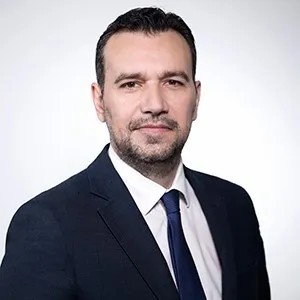
From Stability to Strategy: Redefining the Future of Greek Tourism
2025 has confirmed the sustained growth of Greek tourism, despite an environment of multiple pressures. During the first 11 months, international arrivals increased by 4.4%, reaching approximately 40 million visitors, including cruise passengers. Travel receipts rose strongly, increasing nearly 9% to €23.5 billion. At the same time, the winter season shows stronger air connectivity, with 6.3 million scheduled airline seats (+11.5%), demonstrating that demand for Greece extends beyond the traditional summer peak.
Germany remains a key driver of this performance, ranking among the most important source markets. In the first seven months of 2025, the German market maintained a strong upward trajectory, with tourism receipts rising by 16.6% and arrivals increasing by 8.0%. This steady growth underscores the enduring ties between Germany and Greece. Notably, Greece has secured its position in 2026 as the third most preferred destination for holidays abroad among German travellers (19.7%), ranking behind Italy and Spain. This latest report highlights the strength of brand “Greece” in one of its most resilient source markets, outperforming even mature destinations benefiting from direct road connections.
Beyond leisure travel, the sector’s long-term resilience depends on developing differentiated products tailored to distinct audiences. The MICE segment could benefit as infrastructure projects evolve in Athens, Thessaloniki, and other areas where modern facilities are essential to strengthening Greece’s position in the international MICE market and supporting year-round activity. At the same time, medical tourism represents another promising field that calls for a clear and coordinated national strategy. With highly qualified medical professionals, competitive pricing, and the added advantage of recovery in a globally recognized destination, the country could build on this for further growth.
As travel behaviors continue to shift, emerging habits and the growing role of artificial intelligence are increasing the value travelers place on authenticity and personalized experiences. Greek hospitality remains a defining strength, with local people at the center of memorable interactions enjoyed by visitors worldwide. At the same time, Greece must ensure a highly competitive balance between quality and price, further strengthening its appeal as a leading international destination.
Looking ahead, the main challenge is to shape a sustainable tourism product supported by robust infrastructure, targeted digital tools, and a clear national direction regarding priority markets and the experiences developed. Through this approach, Greek tourism will be well-positioned to maintain its competitiveness and strengthen its long-term resilience. In this context, ITB Berlin 2026 offers an important opportunity to exchange perspectives, highlight emerging trends, and deepen cooperation with international partners, supporting the continued evolution of a strong and future-ready Greek tourism sector.
Looking ahead, the main challenge is to shape a sustainable tourism product supported by robust infrastructure, targeted digital tools, and a clear national direction on priority markets and experiences. Through this approach, Greek tourism will be well positioned to maintain competitiveness and strengthen long-term resilience. In this context, ITB Berlin 2026 offers an opportunity to exchange perspectives, highlight emerging trends, and deepen cooperation with international partners, supporting the continued evolution of a strong, future-ready Greek tourism sector.
_____________________________________________________________________________________________________________________________________
LYSANDROS TSILIDIS
President of the Federation of Hellenic Associations of Travel & Tourist Agencies (FedHATTA) 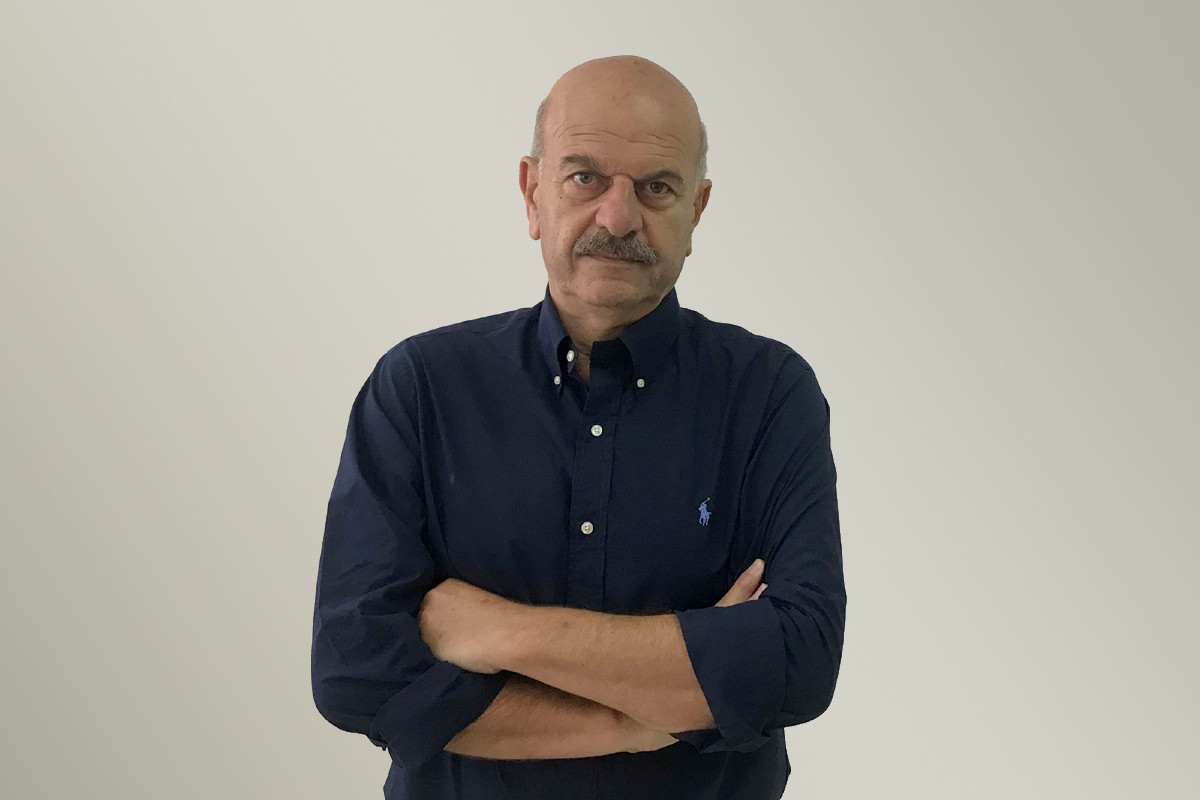
Tourism is one of the most strategic sectors of the Greek economy, with travel agencies consistently at the heart of this dynamic, leaving an impact that far exceeds the narrow confines of the industry. However, during a prolonged period of growth in Greek tourism, sustainable development strategies that respect the environment, people, and culture are necessary.
Greek travel agencies have a multiplier effect of 4 on the Greek GDP – a performance not often matched in any other sector of the country. Through the organization of tourism, they play a crucial role in generating income, creating jobs, and fostering broader economic activity at both national and local levels.
Moreover, travel agencies play a pivotal role in the global tourism arena, as they are responsible for managing and distributing a significant portion of international tourism flows. Their contribution translates into multiplied benefits for national economies, the sustainability of destinations, and the stability of the international tourism ecosystem. 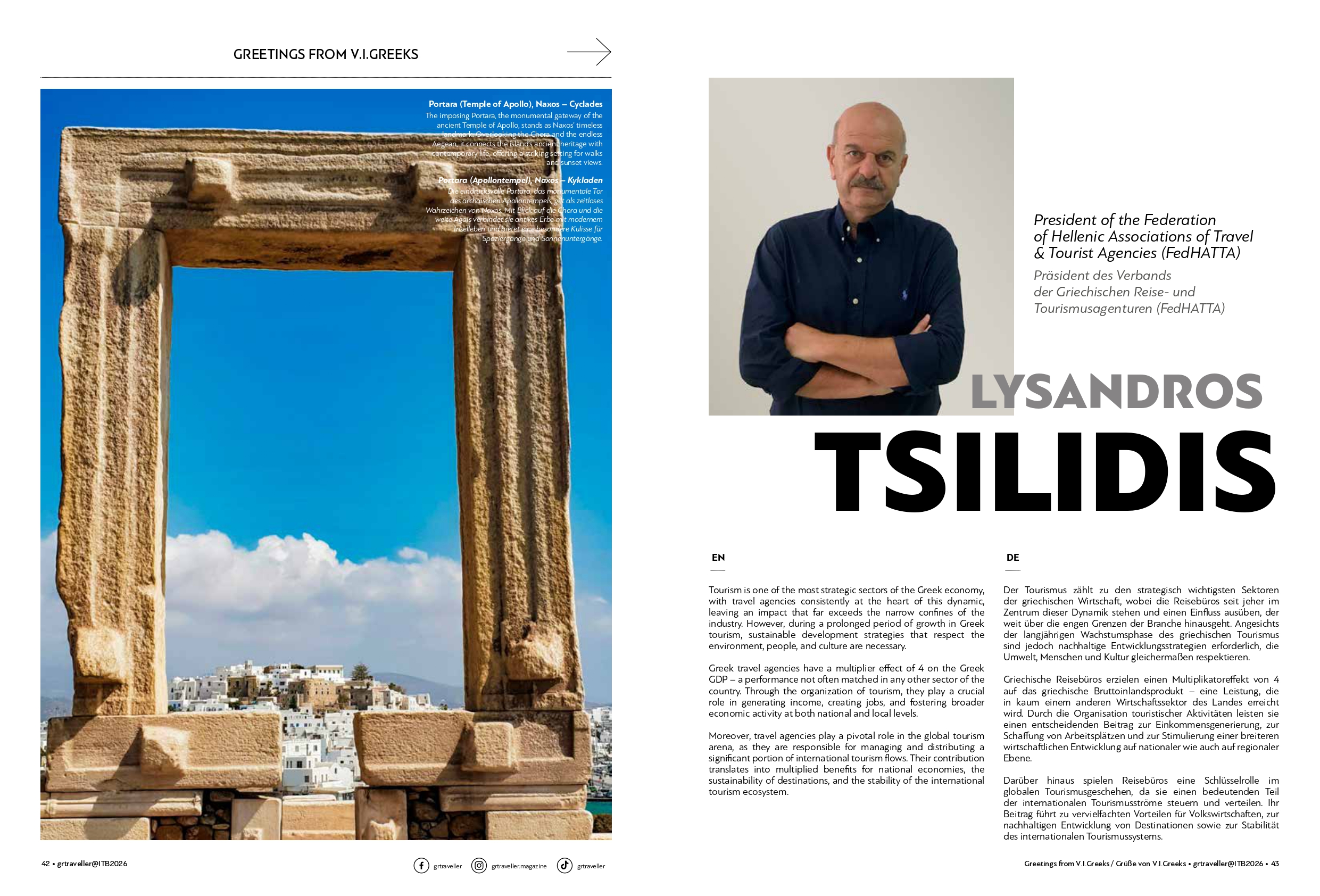
____________________________________________________________________________________________________________________________________
Yannis Hatzis | President of the BoD at the Hellenic Hotel Federation (HHF)
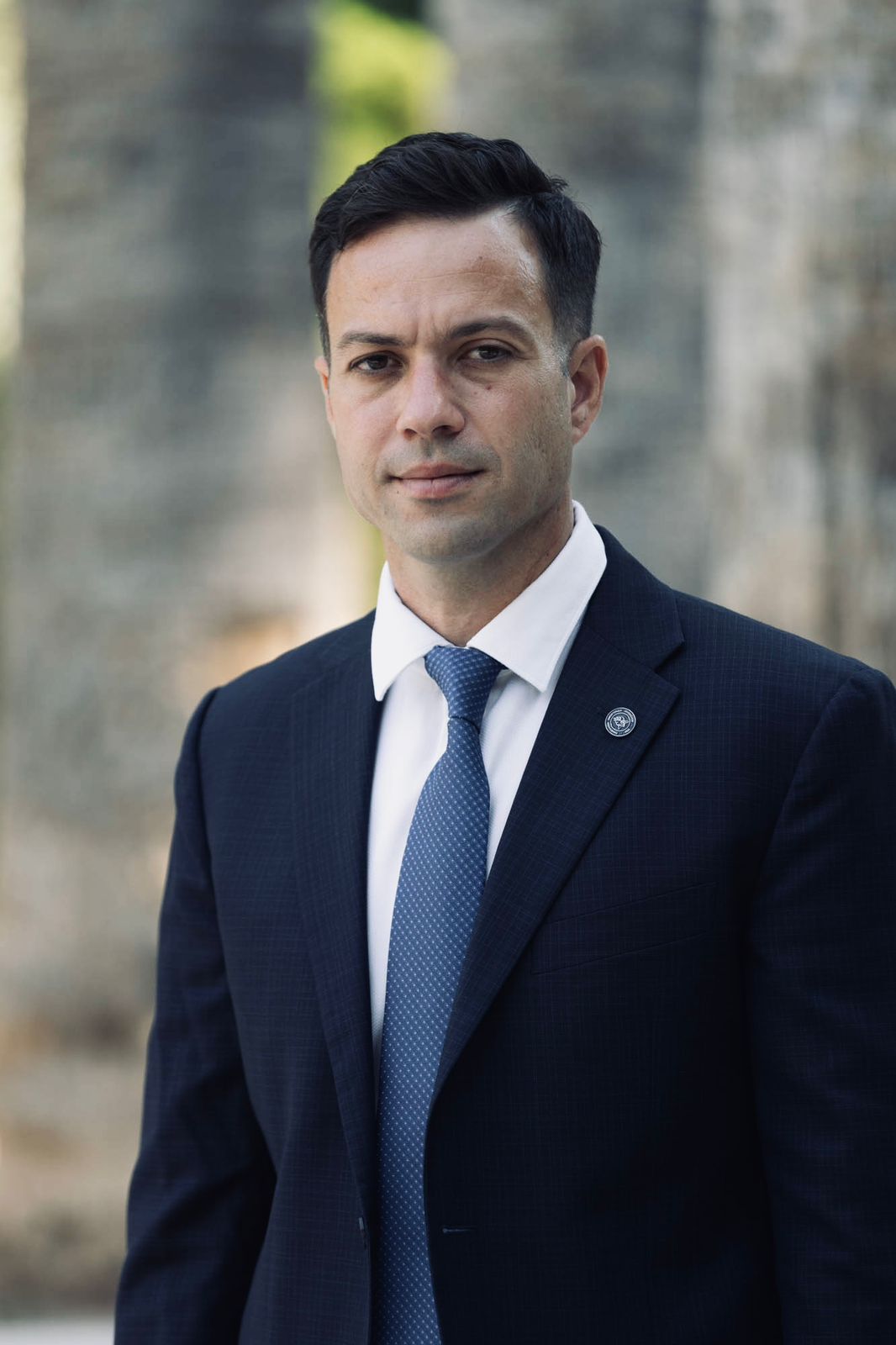
Greek Hospitality: Leading the Way to a Sustainable Future
On behalf of the Greek hotel industry, it is a great honor to welcome our international partners, colleagues, and travelers to the ITB Berlin 2026. As we stand at the forefront of a changing global landscape, Greece is not just participating in the evolution of travel, but we are leading it.
Our theme for this year is clear. Hospitality as a Heritage. For us, hospitality is not a trend. It is deeply rooted in the Greek concept. Philoxenia, the genuine care for every guest, grounded in respect for the place, the culture, and the community that welcomes them. Our development model is designed to ensure long-term prosperity while safeguarding the authenticity and identity that define Greece.
Beyond the traditional “sun and sea” narrative, the Greek hospitality product is involving into a sophisticated, year-round destination. We are investing in specialized sectors that highlight our diversity and resilience. For example, with state-of-the-art conference facilities integrated into resorts and urban hotels alike, Greece has become a premier hub for corporate gatherings and international events, combining advanced infrastructure with luxury and technological excellence. Also, leveraging our Mediterranean way of life, we are strengthening our position in wellness tourism, offering holistic experiences that combine expertise, climate, and heritage.
The Greek hotel sector is actively embracing sustainable development principles, integrating responsible resource management, circular economy practices, and long-term planning into its operations. Our commitment is simple yet powerful: to ensure that the Greece experienced today remains authentic, vibrant, and welcoming for generations to come.
We invite you to rediscover Greece, a destination where history meets innovation, and where every stay contributes to a more sustainable world. Enjoy a productive ITB 2026, and we look forward to welcoming you home to Greece. 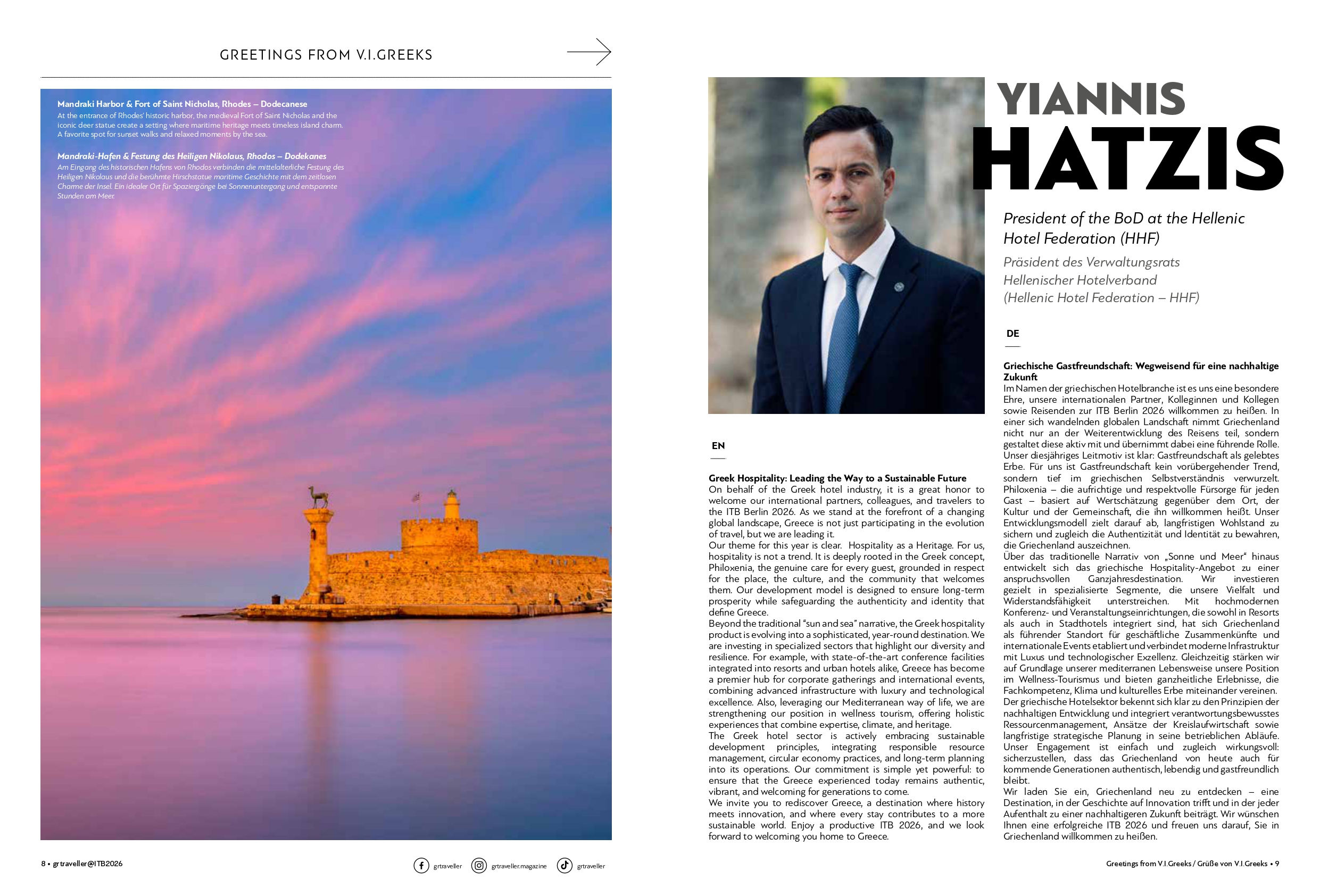
___________________________________________________________________________________________________________________________________
______________________________________________________________________________________________________________________________________–
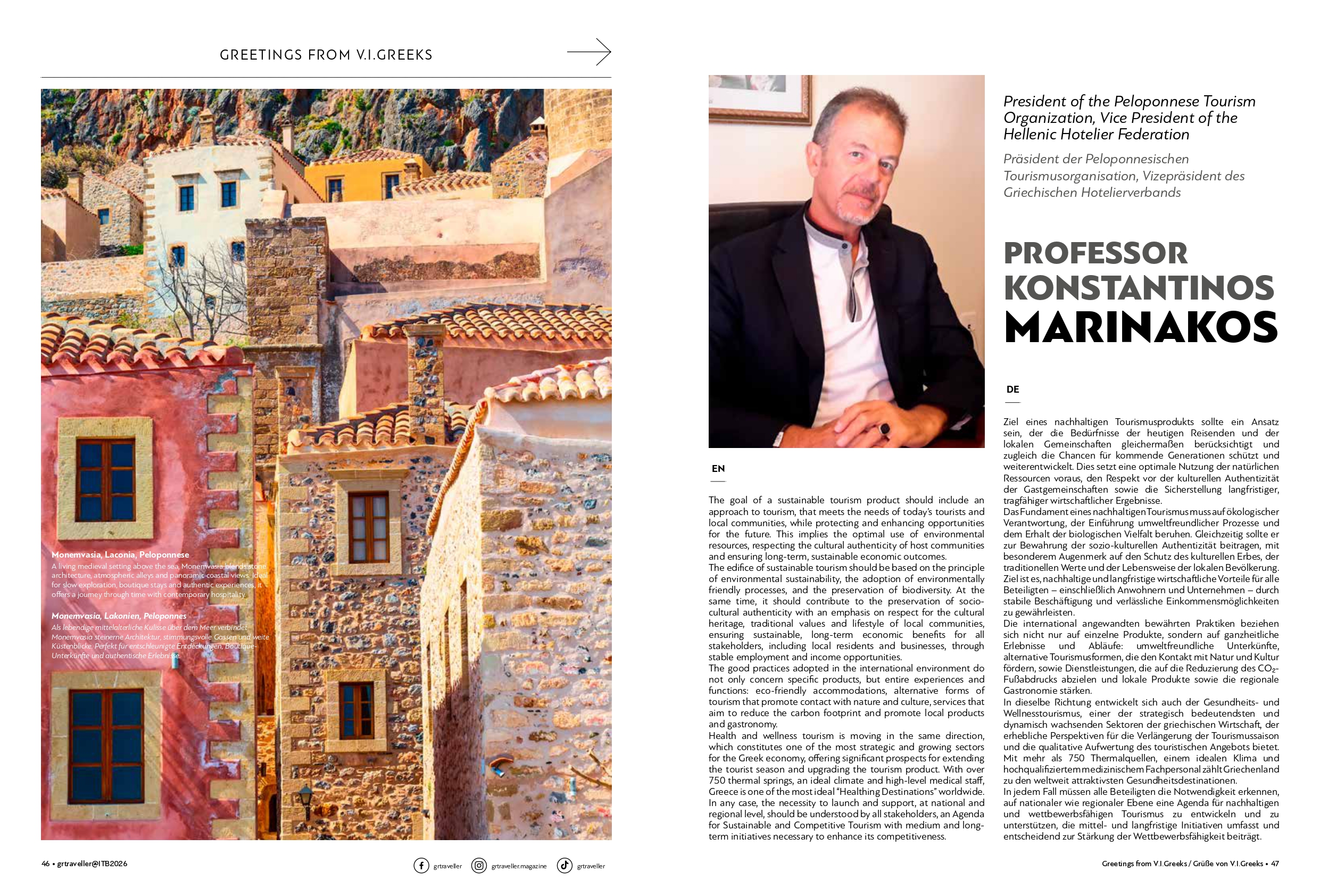
Professor Konstantinos Marinakos
President of the Peloponnese Tourism Organization, Vice President of the Hellenic Hotelier Federation
The goal of a sustainable tourism product should include an approach to tourism, that meets the needs of today’s tourists and local communities, while protecting and enhancing opportunities for the future. This implies the optimal use of environmental resources, respecting the cultural authenticity of host communities and ensuring long-term, sustainable economic outcomes.
The edifice of sustainable tourism should be based on the principle of environmental sustainability, the adoption of environmentally friendly processes, and the preservation of biodiversity. At the same time, it should contribute to the preservation of socio-cultural authenticity with an emphasis on respect for the cultural heritage, traditional values and lifestyle of local communities, ensuring sustainable, long-term economic benefits for all stakeholders, including local residents and businesses, through stable employment and income opportunities.
The good practices adopted in the international environment do not only concern specific products, but entire experiences and functions: eco-friendly accommodations, alternative forms of tourism that promote contact with nature and culture, services that aim to reduce the carbon footprint and promote local products and gastronomy.
Health and wellness tourism is moving in the same direction, which constitutes one of the most strategic and growing sectors for the Greek economy, offering significant prospects for extending the tourist season and upgrading the tourism product. With over 750 thermal springs, an ideal climate and high-level medical staff, Greece is one of the most ideal “Healthing Destinations” worldwide.
In any case, the necessity to launch and support, at national and regional level, should be understood by all stakeholders, an Agenda for Sustainable and Competitive Tourism with medium and long-term initiatives necessary to enhance its competitiveness.
______________________________________________________________________________________________________________________________________
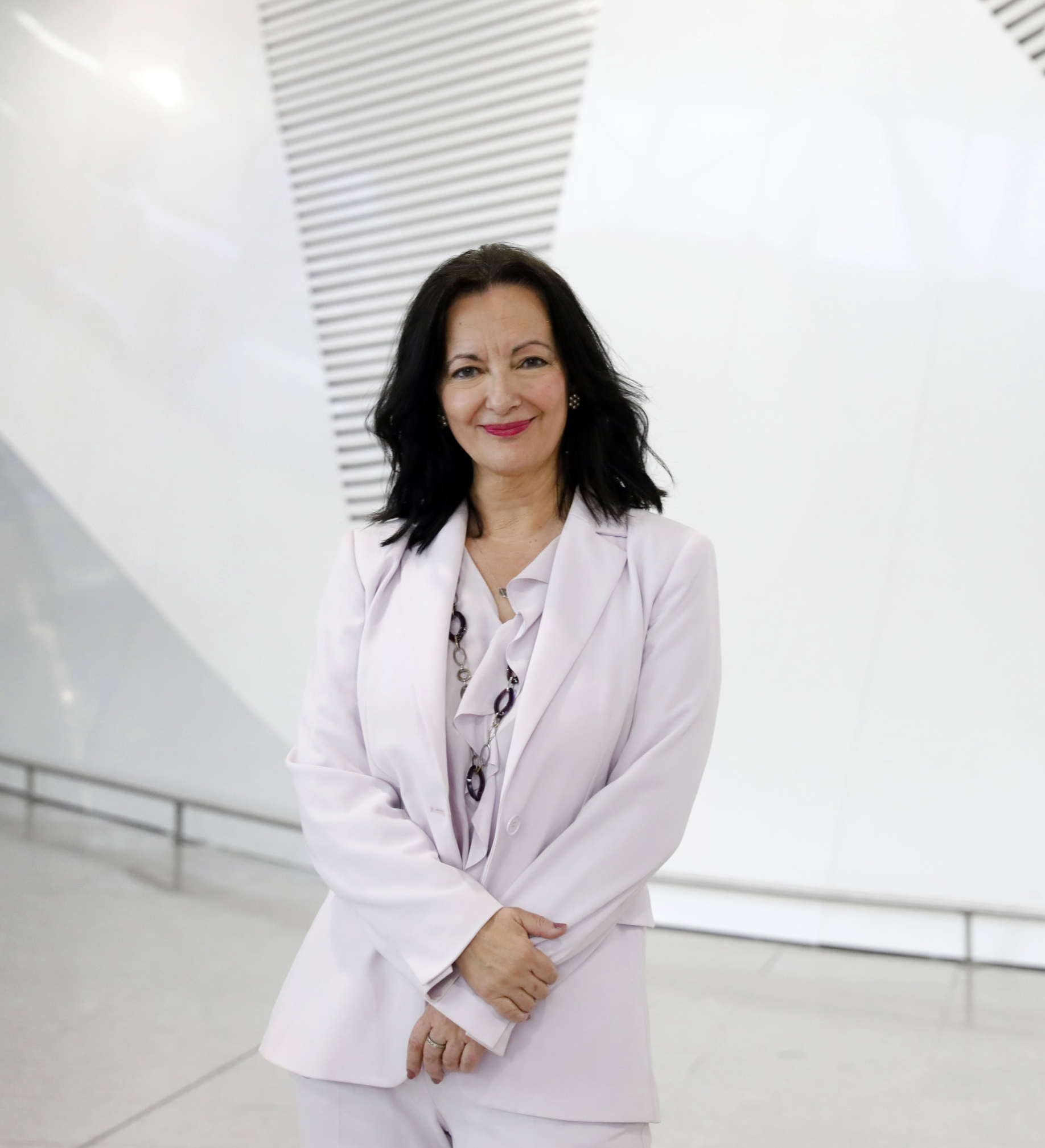
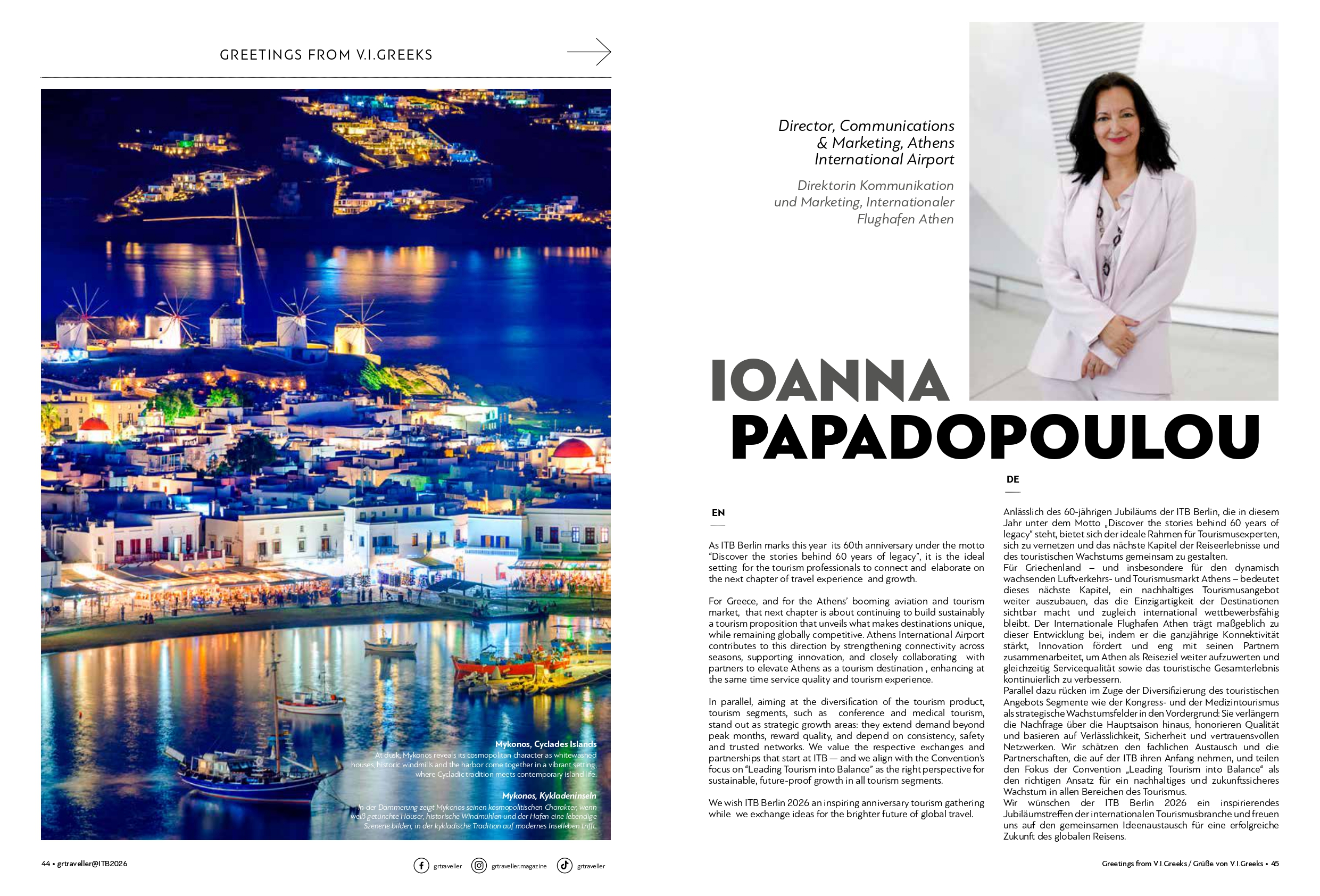
Ioanna Papadopoulou
Director, Communications & Marketing, Athens International Airport
As ITB Berlin marks this year its 60th anniversary under the motto “Discover the stories behind 60 years of legacy”, it is the ideal setting for the tourism professionals to connect and elaborate on the next chapter of travel experience and growth.
For Greece, and for the Athens’ booming aviation and tourism market, that next chapter is about continuing to build sustainably a tourism proposition that unveils what makes destinations unique, while remaining globally competitive. Athens International Airport contributes to this direction by strengthening connectivity across seasons, supporting innovation, and closely collaborating with partners to elevate Athens as a tourism destination , enhancing at the same time service quality and tourism experience.
In parallel, aiming at the diversification of the tourism product, tourism segments, such as conference and medical tourism, stand out as strategic growth areas: they extend demand beyond peak months, reward quality, and depend on consistency, safety and trusted networks. We value the respective exchanges and partnerships that start at ITB — and we align with the Convention’s focus on “Leading Tourism into Balance” as the right perspective for sustainable, future-proof growth in all tourism segments.
We wish ITB Berlin 2026 an inspiring anniversary tourism gathering while we exchange ideas for the brighter future of global travel.
_____________________________________________________________________________________________________________________________________
IOANNA DRETTA | PRESIDENT Μarketing Greece

When we discuss sustainability in tourism, the focus often turns to metrics, certifications and environmental benchmarks. These are essential. But at its core, sustainability is about relationships – with our natural environment, with the heritage that defines our identity, with the professionals who shape our sector, and perhaps most importantly, within and between local communities. Without these foundations, no sustainability framework or benchmark can deliver lasting impact.
This perspective requires us to look beyond conventional definitions and recognize that every sustainable practice is, in essence, an act of relationship-building. When we protect a coastline, we’re honoring our connection to the sea. When we preserve a traditional craft, we’re maintaining our dialogue with local history. When we support a local economy, we’re strengthening the fabric of community.
Tourism, by its very nature, is human-centered. Like sustainability itself, it is built upon relationships – interactions rooted in respect, meaningful exchange, empathy, and above all, appreciation for the positive outcomes these connections generate.
These relationships are not transactional; they are transformative. Through authentic exchange, we gain insight, share experience and identify better ways of working. Learning from one another strengthens our collective capacity and reinforces the standards we set for our sector. In this way, connection becomes a driver of progress, not just a principle.
The future of tourism, therefore, depends on recognizing the strength of human connection and cultural understanding, and on our willingness to listen and learn from what is happening around us.