







Greece, in All Its Seasons
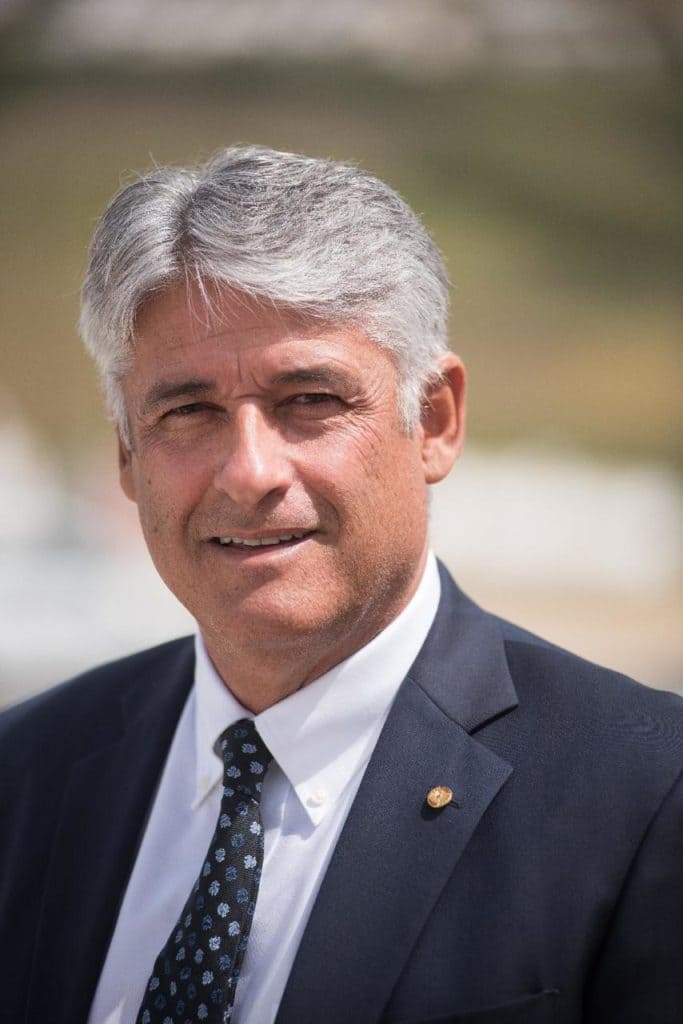 The Secretary General of the Greek National Tourism Organisation speaks to GRtraveller about the cities, flavours and local identities that give travellers more reasons to discover Greece, and the partnerships needed to sustain tourism throughout the year.
Interview by Lillian Psylla
Greece’s identity unfolds through experiences that follow their own seasonal rhythms. City neighbourhoods, local kitchens, cultural encounters and mountain landscapes offer different ways of discovering the country, each rooted in the character of a particular place. Bringing this diversity into sharper international focus is central to the tourism vision Andreas Fiorentinos discusses with GRtraveller.
Born in Mykonos into a family of hoteliers spanning three generations, the Secretary General of the Greek National Tourism Organisation brings experience from both hospitality and tourism administration. His perspective connects the international promotion of Greece with the practical conditions that allow destinations and businesses to welcome visitors throughout the year.
In conversation with Lillian Psylla, he explores the potential of city breaks, the growing importance of gastronomy as a reason to travel, and the role of digital tools in helping visitors discover more of the country. Running through the discussion is a shared challenge for destinations and their partners: creating opportunities for growth while preserving the local life that gives each journey its meaning.
More Places, More Seasons, More Reasons to Visit
For decades, Greece has been internationally associated with summer, its islands and the sea. What is the next major challenge for the international image of Greek tourism?
The next major challenge is to further highlight Greece’s multifaceted tourism identity and strengthen its position as a year-round destination. “Sun and sea” has long been one of our country’s strongest competitive advantages and remains a key pillar of its international tourism promotion. At the same time, Greece’s cultural heritage, gastronomy, contemporary urban experiences, mountain tourism and nature-based activities enrich its tourism offering, providing authentic experiences throughout the year.
Our goal is to showcase this wealth by highlighting more destinations and offering visitors different reasons to travel. In this respect, the digital transformation of the Greek National Tourism Organisation (GNTO) and the enhancement of Visit Greece’s digital presence can make a decisive contribution, harnessing technology to promote lesser-known areas and connect different tourism experiences. The challenge is to strengthen Greece’s international visibility by showcasing the distinctive character of each region and creating more reasons to visit beyond the traditional summer season.
How central a role can city breaks play in extending the tourist season and generating demand outside the traditional peak months?
City breaks can play a decisive role in extending the tourist season, as they create reasons to visit that are not exclusively dependent on summer. Culture, gastronomy, museums, events, contemporary creativity and local life are all strong incentives for short getaways throughout the year.
Athens and Thessaloniki have considerable potential for further growth, while other Greek cities can also strengthen their position in international markets by capitalising on their distinctive characteristics. The GNTO contributes to this effort through targeted international promotion, the promotion of thematic experiences and cooperation with the relevant stakeholders. At the same time, air connectivity and service quality are essential prerequisites for their development.
Our aim is for Greek cities to establish themselves as attractive destinations for short breaks throughout the year, attracting visitors outside the peak months, broadening the geographical distribution of tourism activity and supporting local economies.
The Many Layers of the Greek City
Athens has evolved in recent years into an international city destination in its own right. Where do you see the next stage of its development as a city-break destination?
The next stage in Athens’ development lies in further consolidating its position as a fully integrated international destination offering a diverse range of experiences, combining its classical cultural heritage with contemporary urban life. Beyond its iconic monuments, the city boasts vibrant neighbourhoods, gastronomy, contemporary art, cultural events and a creative scene that enriches the visitor experience.
In this respect, the GNTO’s collaboration with the MICHELIN Guide strengthens the international promotion of Athens’ gastronomic identity and establishes gastronomy as an independent travel motivator. At the same time, connecting the capital with Attica and nearby destinations can broaden the range of experiences available and encourage visitors to extend their stay.
The challenge is to showcase the many different facets of Athens more extensively and strengthen its appeal throughout the year. Through targeted initiatives and cooperation among the relevant stakeholders, the city can further consolidate its position on the international city-break map.
Thessaloniki is also developing a stronger international identity through gastronomy, culture and contemporary urban experiences. What is needed to further establish its position in European markets?
Thessaloniki has a distinctive international identity that combines its multicultural history with gastronomy, contemporary cultural creativity and the dynamism of a vibrant university city. Its inclusion in the MICHELIN Guide’s expanded selection for Greece, as part of the collaboration between the GNTO and the Guide, represents an important opportunity to promote its gastronomic identity internationally.
Further consolidating its position in European markets requires consistent, targeted promotion, stronger air connectivity and partnerships with the international travel industry. At the same time, developing experiences beyond the peak tourist season can attract visitors throughout the year.
Its geographical location also offers significant opportunities to connect the city with Halkidiki, the cultural routes of Macedonia and the mountain destinations of Northern Greece. In this way, Thessaloniki can further establish itself both as a city-break destination in its own right and as a gateway to a wider region offering a rich variety of travel experiences.
Local Flavours, International Appeal
The GNTO’s collaboration with the MICHELIN Guide strengthens Athens’ international presence and now includes Thessaloniki in a full selection. How important is gastronomy as a destination-branding tool and an independent travel motivator?
Gastronomy is an important destination-branding tool, as it shapes each destination’s unique identity and helps differentiate Greece internationally. Through local flavours, products, history and traditions, it offers authentic experiences and can itself become a reason to travel.
The GNTO’s collaboration with the MICHELIN Guide contributes to this effort by showcasing the quality and diversity of Greek gastronomy to an international audience. The Guide’s expanded selection for Greece includes Athens, Thessaloniki (with a full restaurant selection for the first time) and Santorini, highlighting their distinct gastronomic identities.
At the same time, gastronomy connects tourism with local production, creates opportunities for businesses and helps attract visitors throughout the year. Our aim is for Greece’s rich gastronomic heritage, from fine dining to local products and traditional cuisine, to become an integral part of the country’s international image.
Beyond Athens and Thessaloniki, which Greek cities do you believe have the potential to develop into stronger city-break or short-break destinations for international visitors?
Greece has a wide network of cities with distinct identities and significant potential to develop as city-break and short-break destinations. Cities with rich histories, vibrant cultural scenes, gastronomic traditions and connections to the natural environment can offer international visitors well-rounded experiences.
Of particular importance is the opportunity to combine urban experiences with access to mountain areas, traditional settlements and nature trails. Cultural, gastronomic and mountain tourism can therefore complement one another, creating additional reasons to visit beyond the peak tourist season.
Developing these destinations requires good connectivity, high-quality services, cooperation among local stakeholders and targeted international promotion. Focusing on each city’s distinctive identity through tailored promotional initiatives can broaden travellers’ choices and strengthen tourism activity across more regions and throughout a greater part of the year.
Making Tourism Work Throughout the Year
Extending the tourist season depends not only on promotion but also on connectivity, business operations and the quality of the destination experience. In your view, what are the key elements that must work together for Greece to achieve a genuine year-round tourism model?
Transitioning to a tourism model that operates 365 days a year requires coordinated planning and cooperation between the public and private sectors. Key factors include adequate air and wider transport connectivity, appropriate infrastructure, high-quality services and the ability of businesses to remain operational and provide comprehensive services outside the peak tourist season.
At the same time, it is important to capitalise on the diverse experiences each region offers, from culture and gastronomy to city breaks, wellness and mountain activities. In this context, the new VisitGreece.gr, as part of the GNTO’s digital transformation, harnesses modern digital tools, including digital trip-planning features and artificial intelligence services, to showcase the country’s tourism wealth and promote destinations and experiences beyond the summer season.
Extending the tourist season cannot be achieved through isolated promotional initiatives. It requires all these factors to work together to create a competitive and sustainable tourism model that generates opportunities for more regions and distributes tourism activity across a greater part of the year.
Today’s travellers are increasingly seeking culture, gastronomy, neighbourhoods and authentic local experiences. How can Greece protect the authenticity of its cities while simultaneously increasing their international visitor numbers?
Authenticity is one of Greece’s key advantages and depends on preserving the distinctive identity of each place. International promotion should showcase not only landmarks but also neighbourhoods, gastronomy, cultural creativity, traditions and the everyday lives of local communities.
Balancing increased visitor numbers with the protection of authenticity requires sustainable planning, the protection of cultural heritage and public spaces, effective visitor management and the involvement of local residents. At the same time, promoting lesser-known areas and thematic experiences, from culture to mountain tourism, helps distribute visitors and economic benefits more widely, while respecting the natural environment and local traditions.
Success is measured not only by the number of visitors but also by the quality of their experience and the benefits generated for local communities. The objective is for tourism development to strengthen local economies and showcase Greece’s identity without eroding the character of each destination.
An Invitation to Discover More
WTM London is one of the most important gatherings in the international tourism industry. What message would you like Greece to convey this year to international tour operators, buyers and partners about the next phase of development of the Greek tourism product?
The message we want to convey is that Greece is entering a new phase of tourism development, with a more diversified offering, a wider range of experiences and opportunities to travel 365 days a year. Greece remains a leading destination for seaside holidays, while also offering culture, gastronomy, urban experiences, mountain tourism and authentic activities in the mainland.
At WTM London, we aim to strengthen our partnerships with the international travel industry and present new opportunities for growth in response to evolving travel trends. Extending the tourist season and achieving a broader geographical distribution of visitors are key objectives, with a strong emphasis on quality and sustainability.
Our ambition is to further strengthen Greece’s position in international markets by offering high-quality, authentic experiences to different audiences. Close cooperation with international tour operators, buyers and partners is an important factor in achieving these goals.

If you had to describe the “New Greece” we want travellers to discover in the coming years in a single phrase, what would it be?
The New Greece is a destination with more experiences, more regions to explore and more reasons to visit, in every season of the year. It is a Greece where cultural heritage meets contemporary creativity, gastronomy connects visitors with the places they discover, and cities, islands and mountainous inland areas reveal different facets of a shared, authentic identity.
It is a country that moves beyond established tourism perceptions and invites travellers to discover its richness through culture, nature, local flavours, outdoor activities and the hospitality of its people. The future of Greek tourism is linked to quality, sustainability, diversification and stronger international competitiveness.
Our ambition is to present a modern, outward-looking Greece that continues to evolve without losing its authenticity, creates opportunities for more regions and offers meaningful experiences, giving travellers ever more reasons to discover the country and return to it in every season of the year.
The ambition Mr. Fiorentinos describes will take shape through the choices available to travellers: a city worth returning to, a regional cuisine worth seeking out, a route that opens up an unfamiliar part of the country. Delivering those experiences across the seasons requires connections, businesses and communities able to support them. As Greece presents its next chapter to international partners at WTM London, its diverse local identities offer a compelling invitation to explore further, stay longer and return with a new journey in mind.