






A journey through the legends and history of the 1821 Revolution
From Kalavryta, Patras, Kalamata and from there to the whole Peloponnese and the rest of Greece. Where the victorious Greek Revolution for freedom began in the spring of 1821.
Kalavryta:
We ascend to the Monastery of Agia Lavra, at the foot of the mountain Velia. In a lush landscape with pine, plane and fir trees, we meet the historic church with the statue of Paleon Patras Germanos, the Bishop who blessed the chariots and the Revolution. Together with the provosts of Kalavryta, Andreas Zaimi and Aigio, Andreas Londou, as well as 600 fighters, the Bishop raised the banner of the Revolution, a few days before the feast of the Annunciation of the Virgin Mary. For some a legend, for others a true story.
The only one who could tell us, if he spoke, is the historic plane tree of the monastery, under which the oath “Freedom or Death” is said to have been taken.
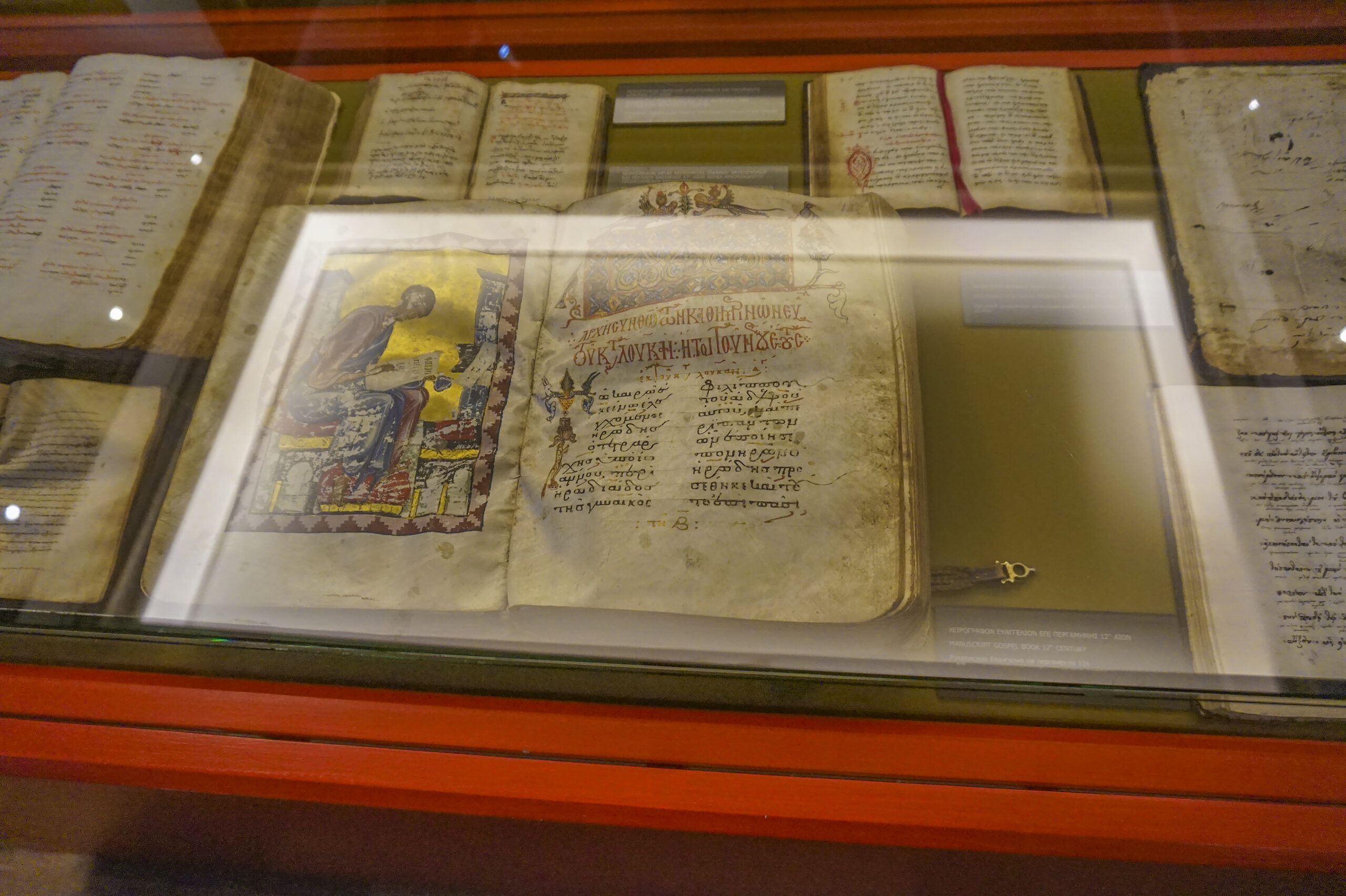
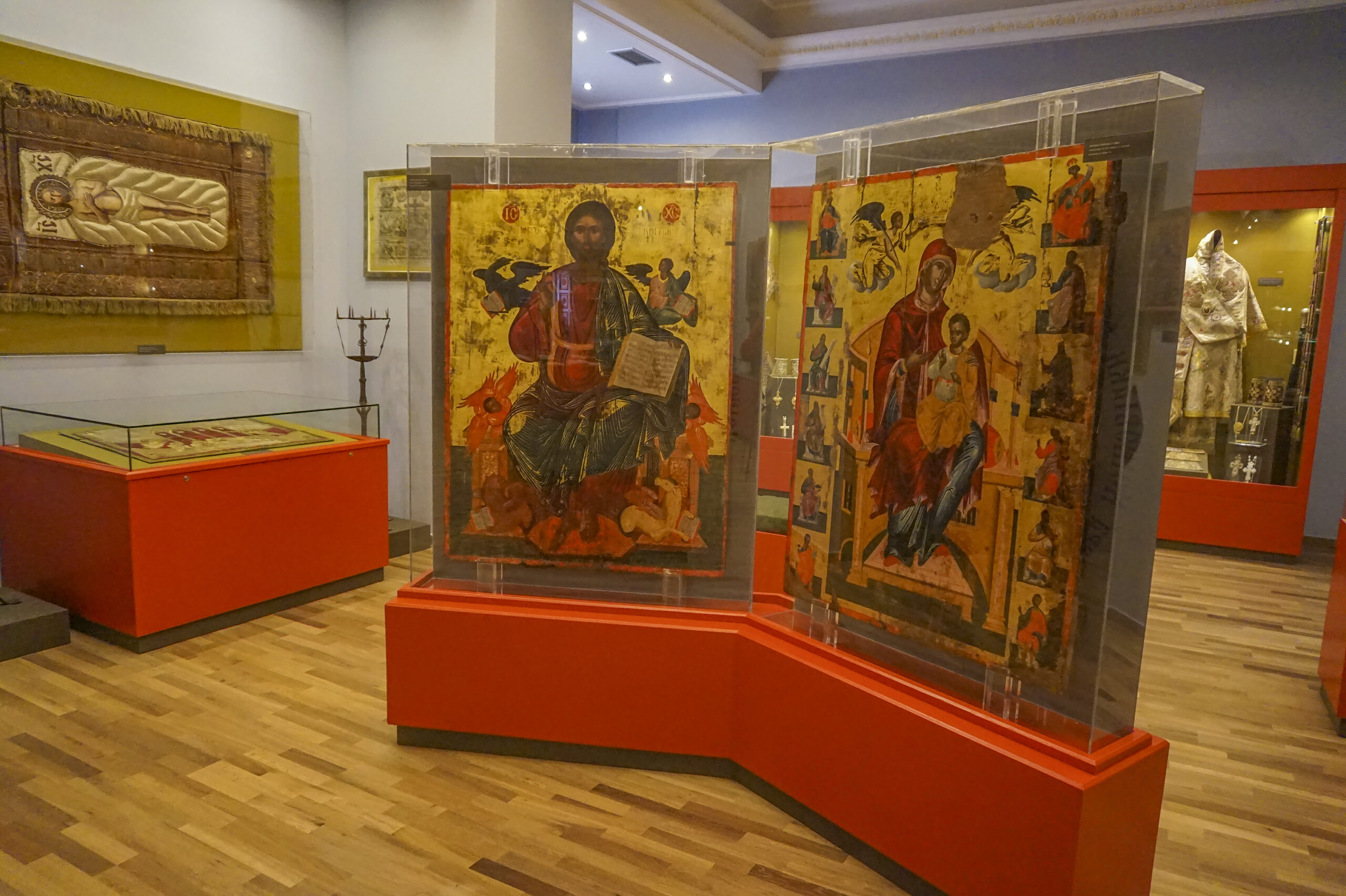
We walk through the paved courtyard of the monastery to admire the 17th century Athonite-style catholic church, its rich library with rare books and we tour the museum where relics of the Revolution are kept, including the famous banner.
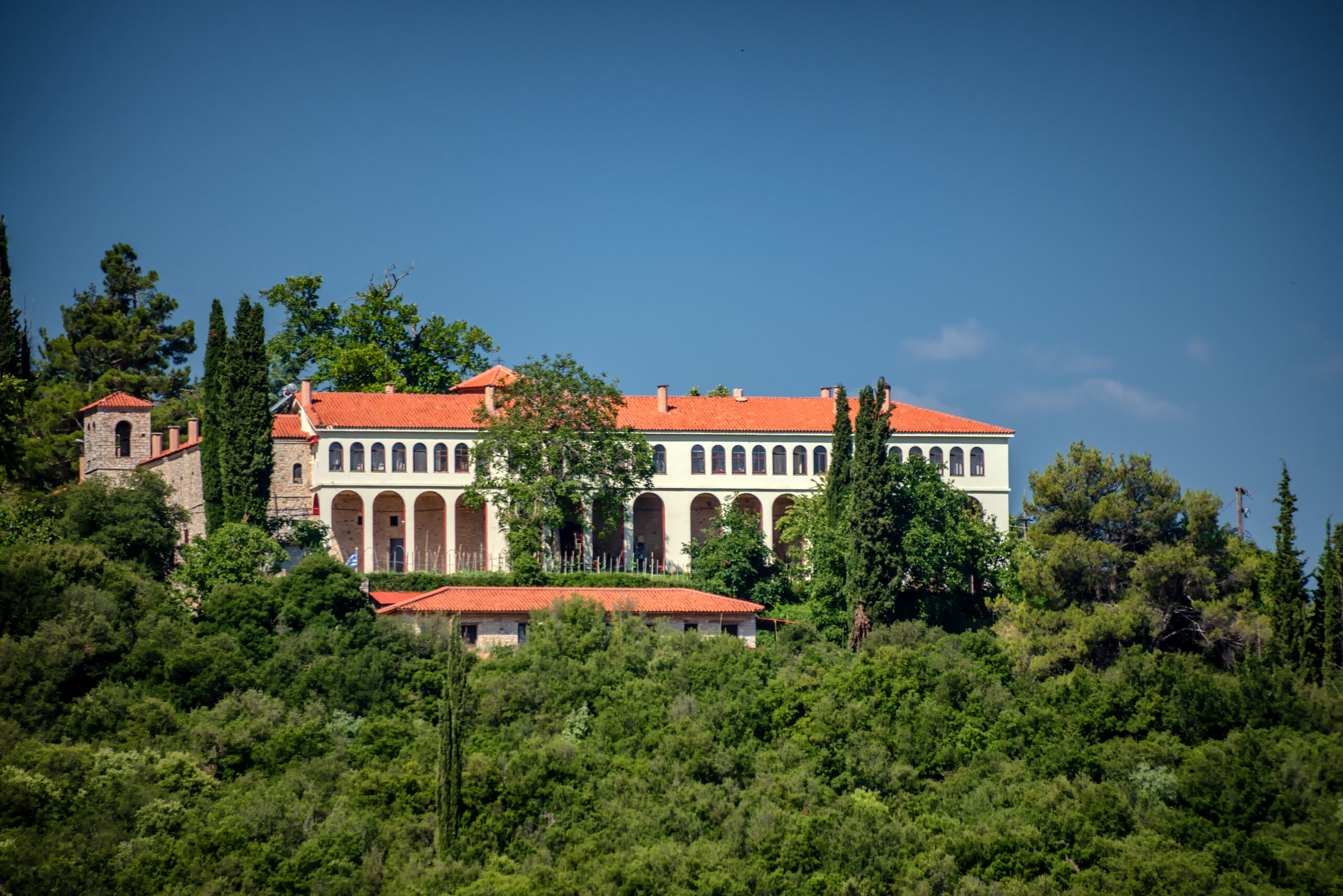
Monastery of Agia Lavra, Kalavrita
Orthodox pilgrimages at the Monastery of Agia Lavra
Patras:
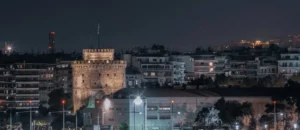
We ascend towards the Byzantine castle of the city, with its well-preserved towers and bastions and the beautiful view of the whole city. There, on the eve of the Revolution, the Turks who were staying in Patras were holed up there to fight back against the Greeks. Going downhill we find in front of us the small green square of St.George, where, according to the historical Kokkinos, on March 24, 1821, the Old Patron Germanos raised a wooden cross, performed a doxology and a triumphal ceremony in the presence of primates, fighters, local residents and foreigners and the oath of the Revolution was taken.
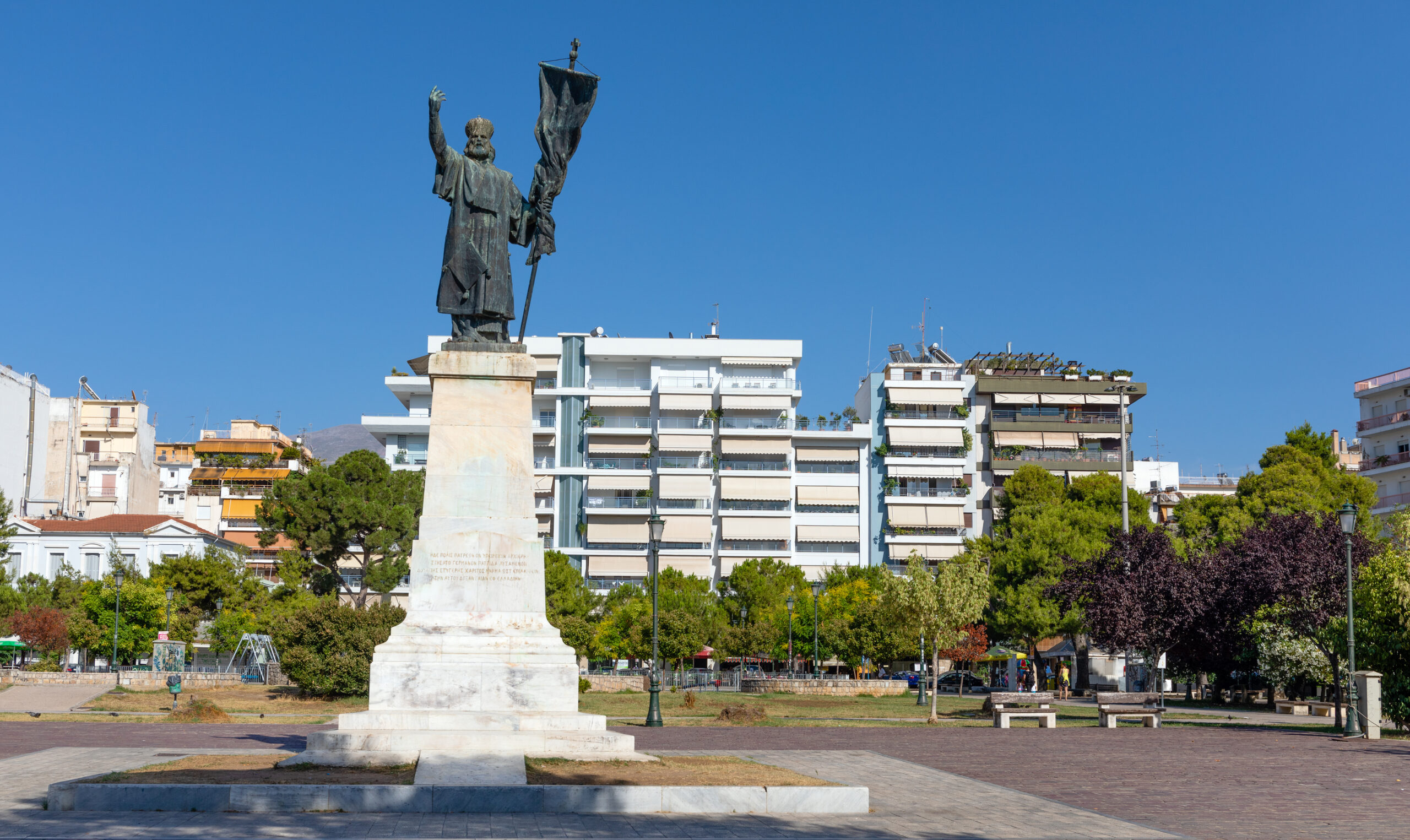
Paleon Patron Germanos
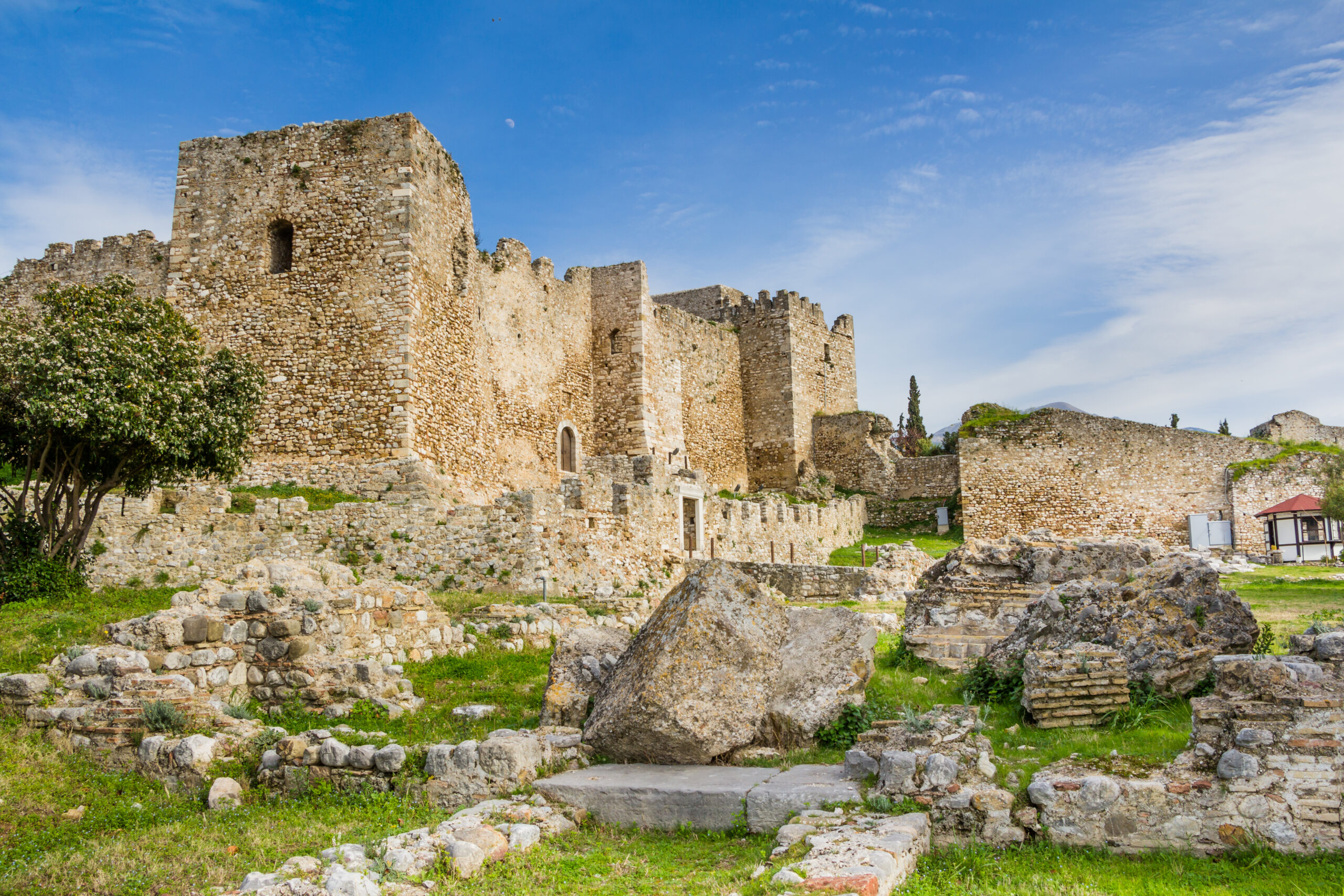
The castle of Patras
Kalamata:
Starting from the heroic Mani, on 24 March 1821, Theodoros Kolokotronis with a long rod instead of a weapon, Petrobeis Mavromichalis with the Maniates fighters and Papaflessas liberated Kalamata. Alongside the Nedon River that crosses the city, they celebrated a praise ceremony and declared the Revolution. It was from this river that the biggest wave of the Revolution in the whole Peloponnese was to start and on 25 March 1821 the Greek fighters, from a few hundred, reached 5,000.