






See
Follow the smell of spring flowers to the cosmopolitan, sophisticated architecture and glorious history of the island of Spetses. Climb aboard one of the horse-drawn carriages that you will find in the harbour and tour the city as lords of another era. Follow the coastal road for a romantic walk by the sea. Pass through Dapia, with its famous cannon house, and the Chancellery, the meeting place of the precursors of the Revolution. From Posidonius Square with the statue of Captain Laskarina Bouboulina, who gave ships and money for the Struggle. From the Anargyrean and Korgialeneio school, from which important people of the spirit and politics graduated. Visit the mansion of Bouboulina and the mansion of Prefect Hatzigiannis-Mexis, which now function as museums. On the other side, above the old harbour, admire the captain’s houses with their flowering gardens and elaborate designs. Experience the Spetsesian Resurrection at the Monastery of Agios Nikolaos or at the parish of “Analipsi” with the traditional burning of the boat in the churchyard.

Auction
Island sounds of violin and santouri accompany the famous Spetsesian dances.

Sniff
The scent of jasmine and bougainvillea wafts in the air along with the intoxicating scents of the wild flowers of the Spetses nature.

Taste
But of course the famous fish a la spetsiota with its tomato sauce and the famous almond loaves with cinnamon and cloves, without butter and eggs.

Αγγίζεις
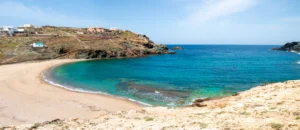
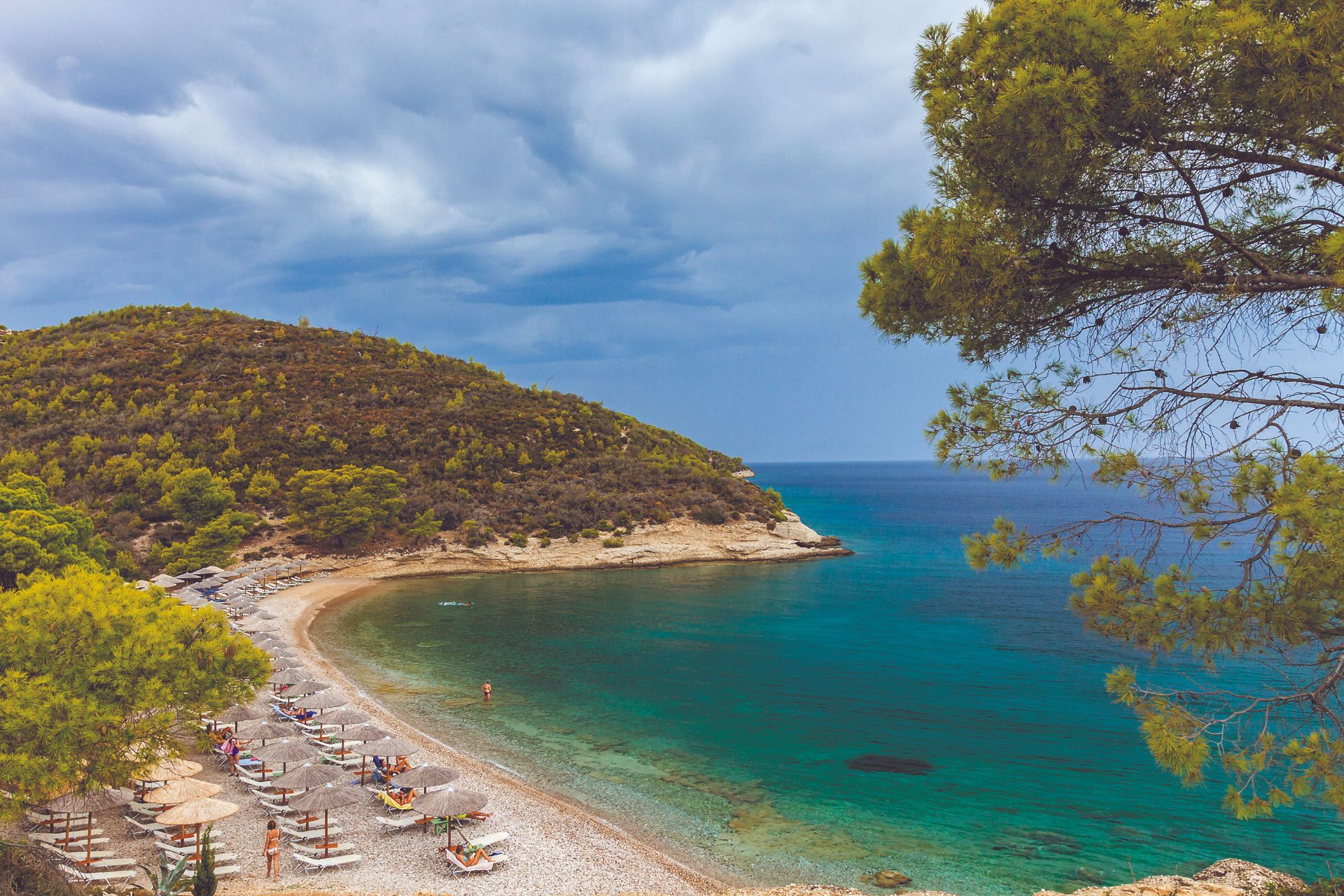
Full of pine trees and colourful flowers, the spring Spetses nature is an ideal destination for walking, cycling, horse riding or even motocross for those who love risky sports. Through enchanting paths discover monasteries, churches, ruined houses and caves. Explore the cave of Bekiri with its turquoise waters, the Monastery of All Saints and the church of Panagia Elona.
INFO
The ancient name of the island was Pityousa, because of its many pine trees. Its current name comes from the Italian “izola di spetsi”, meaning the island of perfumes. It was acquired during the Venetian occupation, because of its many fragrant flowers.