






By Ioanna Mytaftsi, PhD Candidate
Coordinator, Special Interest Tourism Thematic Unit, Secretariat for Productive Sectors & Entrepreneurship, New Democracy – President, Alumni Association, Master’s Programme in Tourism and Local Development, Aristotle University of Thessaloniki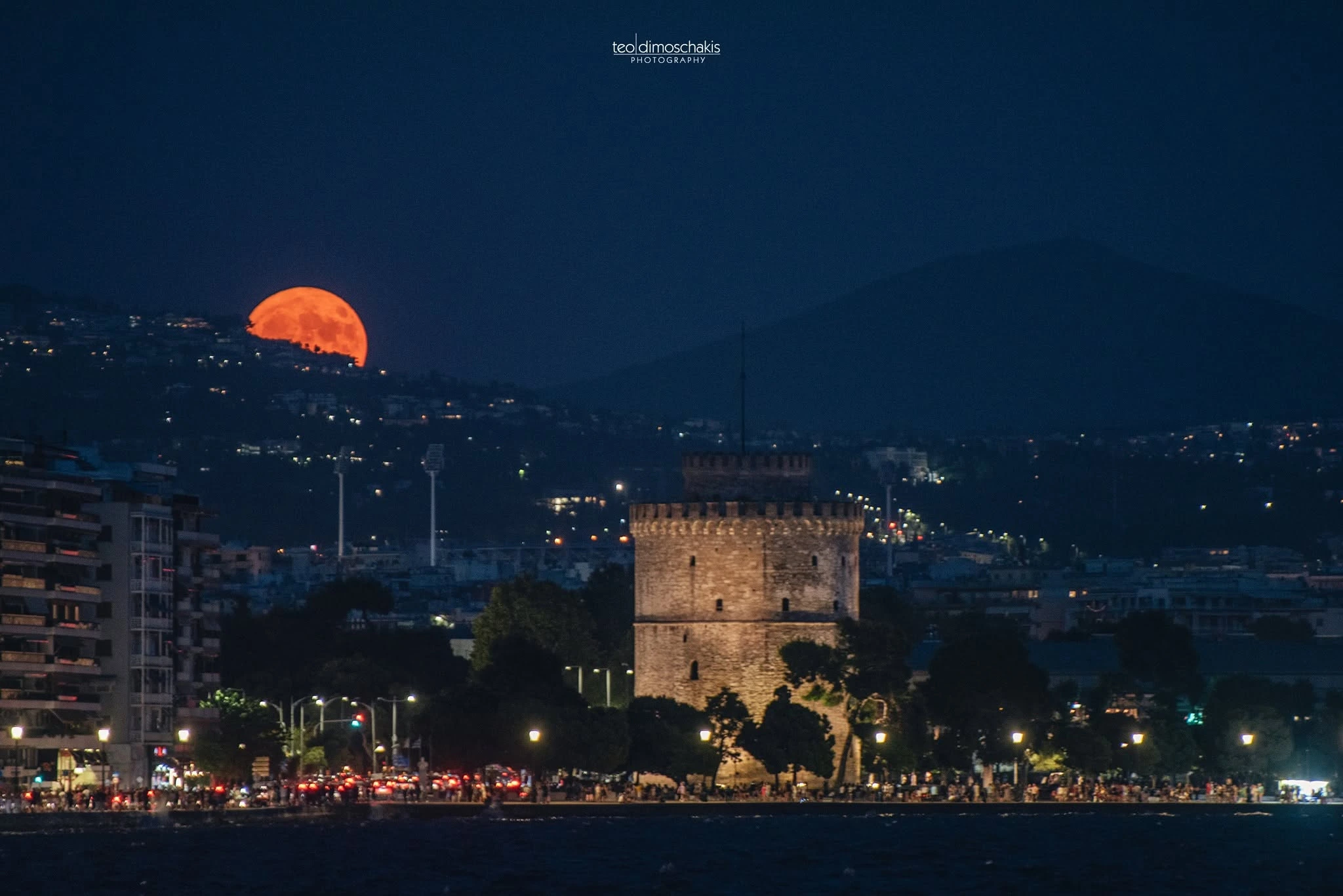
There is a kind of journey that seeks shadow rather than light. A journey that takes you to places where life once ended violently. A journey undertaken not to forget, but to remember. It is perhaps the most human journey of all.
In the contemporary world, we encounter a rather paradoxical phenomenon: a growing number of travellers are drawn to places where the imprint of tragedy remains visible. This form of travel, known as dark tourism, describes something people have always done: visiting battlefields, graves, prisons and sites of martyrdom. Dark tourism encompasses a broad spectrum, ranging from a visit to a Holocaust museum to a search for historical melancholy through a tour of concentration camps or areas devastated on a massive scale.
There is no simple answer to the obvious question of why people are drawn to reminders of human vulnerability. Conscientious travellers are not superficial thrill-seekers captivated by the macabre. On the contrary, they seek a deeper historical understanding of what occurred, while also finding an opportunity to reflect on their own mortality. In an age that treats death with unease and habitually conceals it behind closed doors, visiting such places offers an opportunity to confront the inevitable. It is by no means an escape from life. Dark tourism is an indirect encounter with life, seen through the deaths of others.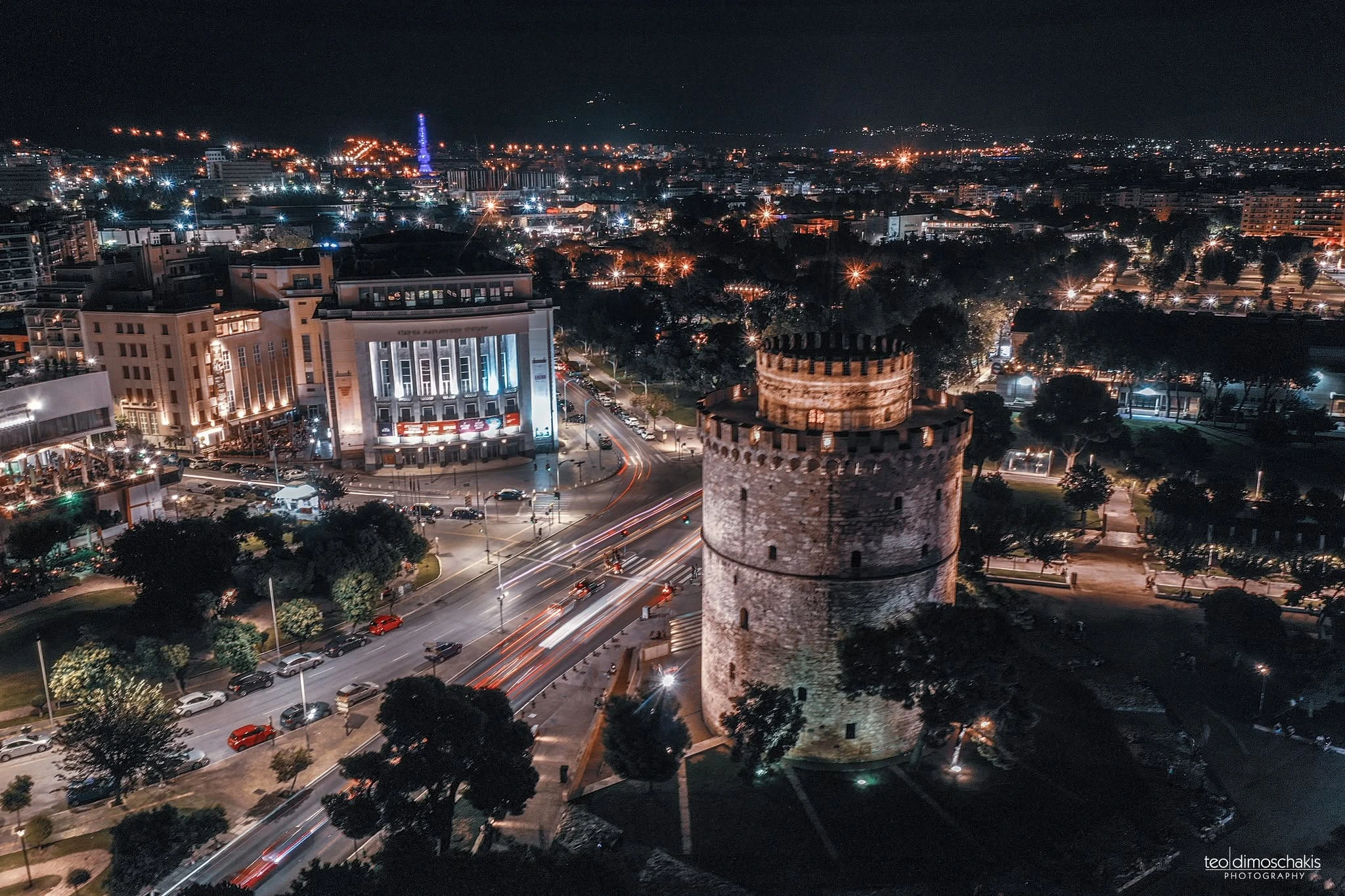
Today, consumerism, technology and the insatiable urge for exposure on social media often give rise to a moral panic. A fine yet crucial line separates remembrance from its commercialisation, and an educational tour from one that turns suffering into a spectacle for consumption, reducing sites of martyrdom to tourist backdrops and “selfie spots”. The responsibility rests with those entrusted with managing these places of so-called “difficult heritage”. They are called upon to shape a narrative that does not exploit tragedy, but places it within the framework of historical truth and empathy, thereby balancing remembrance with visitors’ needs. This responsibility is especially important at places of worship whose history includes a dark past: both the sanctity of the monuments and the memory of the victims must be protected.
In an intensely competitive global tourism environment, where destinations strive to differentiate themselves and often invent “authentic experiences”, Thessaloniki possesses a rare, inherent comparative advantage that sets it apart. Without ever explicitly claiming or promoting this identity for tourism, the city offers an ideal setting in which to understand the entire spectrum of dark tourism and can stand alongside prominent “dark” destinations abroad.
What makes Thessaloniki particularly compelling is both the scale of its trauma and the many forms of violence it endured—experiences that, together, shaped its present-day identity. Across its 2,500-year history, the city’s trauma has never been confined to a single dark chapter. Thessaloniki experienced the violence of authority and imperial repression in AD 390, in what is now Hippodrome Square, when Emperor Theodosius I ordered the massacre of many thousands of unsuspecting citizens. Centuries later, the devastating earthquake of 1978 brought down an apartment building erected directly over the ruins of the ancient Hippodrome, reminding everyone that the city is built upon the rubble of its own trauma.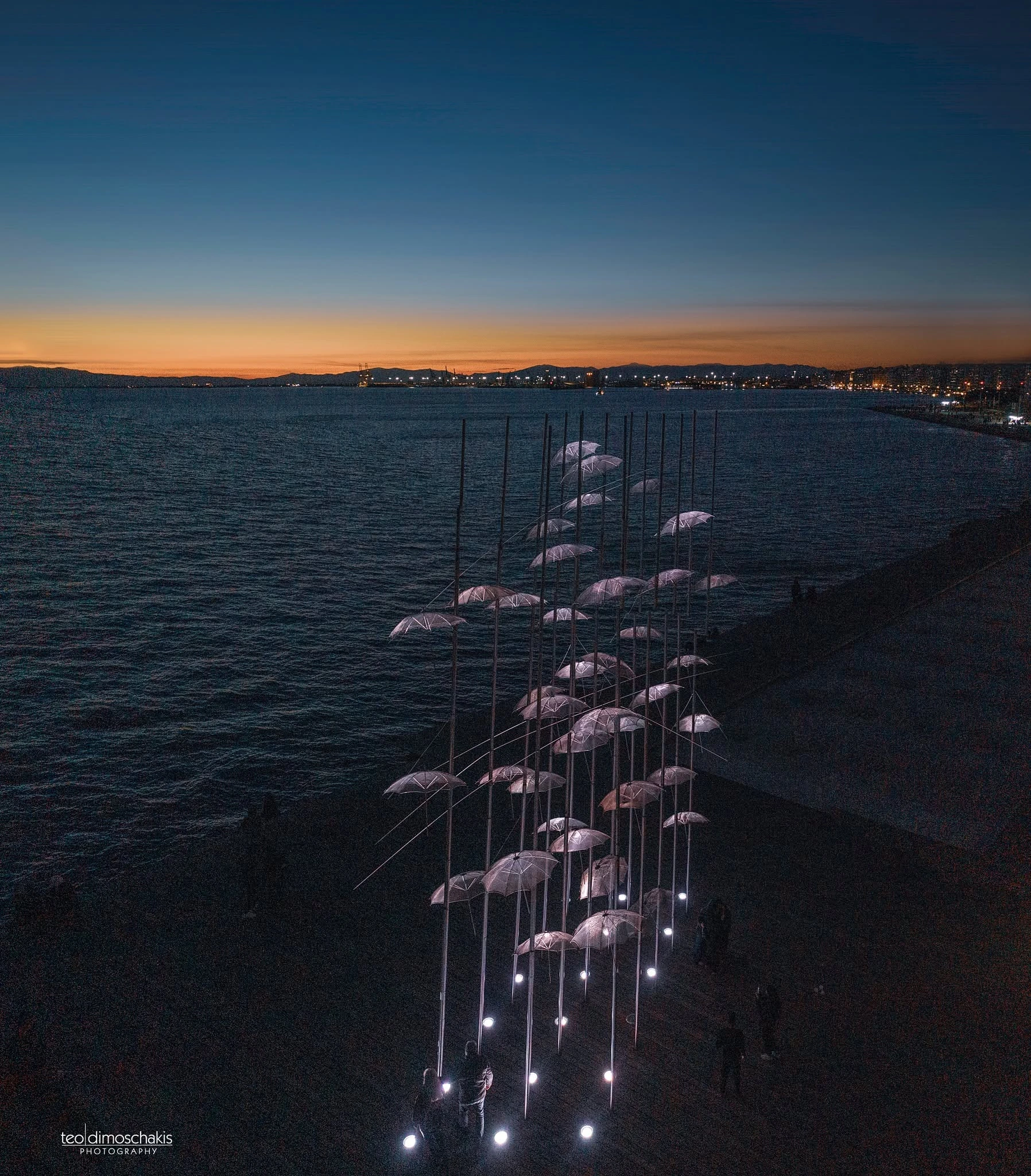
It experienced religious and social violence when, during the bloody suppression of the Zealots’ movement, the interior of the Church of the Panagia Acheiropoietos—a monument inscribed on UNESCO’s World Heritage List—was stained with the blood of the rebels slaughtered within it, violating the boundaries of even the city’s most sacred spaces.
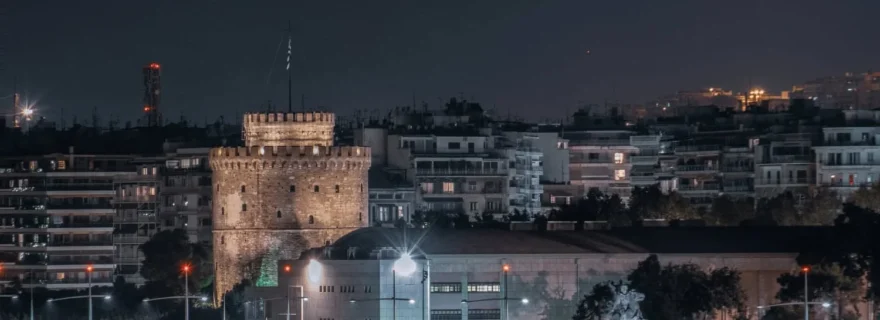
There was also the violence of incarceration and state repression, a history written into the city’s fortification walls. The White Tower, Thessaloniki’s defining landmark, served for centuries as a prison and place of execution and was known during the Ottoman period as Kanlı Kule, the “Tower of Blood”. In an attempt to conceal its trauma, the city whitewashed the exterior of the tower in the late nineteenth century, as though to wash away the prisoners’ blood. Following the line of the walls towards the Upper Town, the violence of confinement continued into the twentieth century at the Heptapyrgion, or Yedi Kule. The imposing fortress became a “damp tomb” for prisoners, a place of torment, torture and execution that haunted the city until 1989.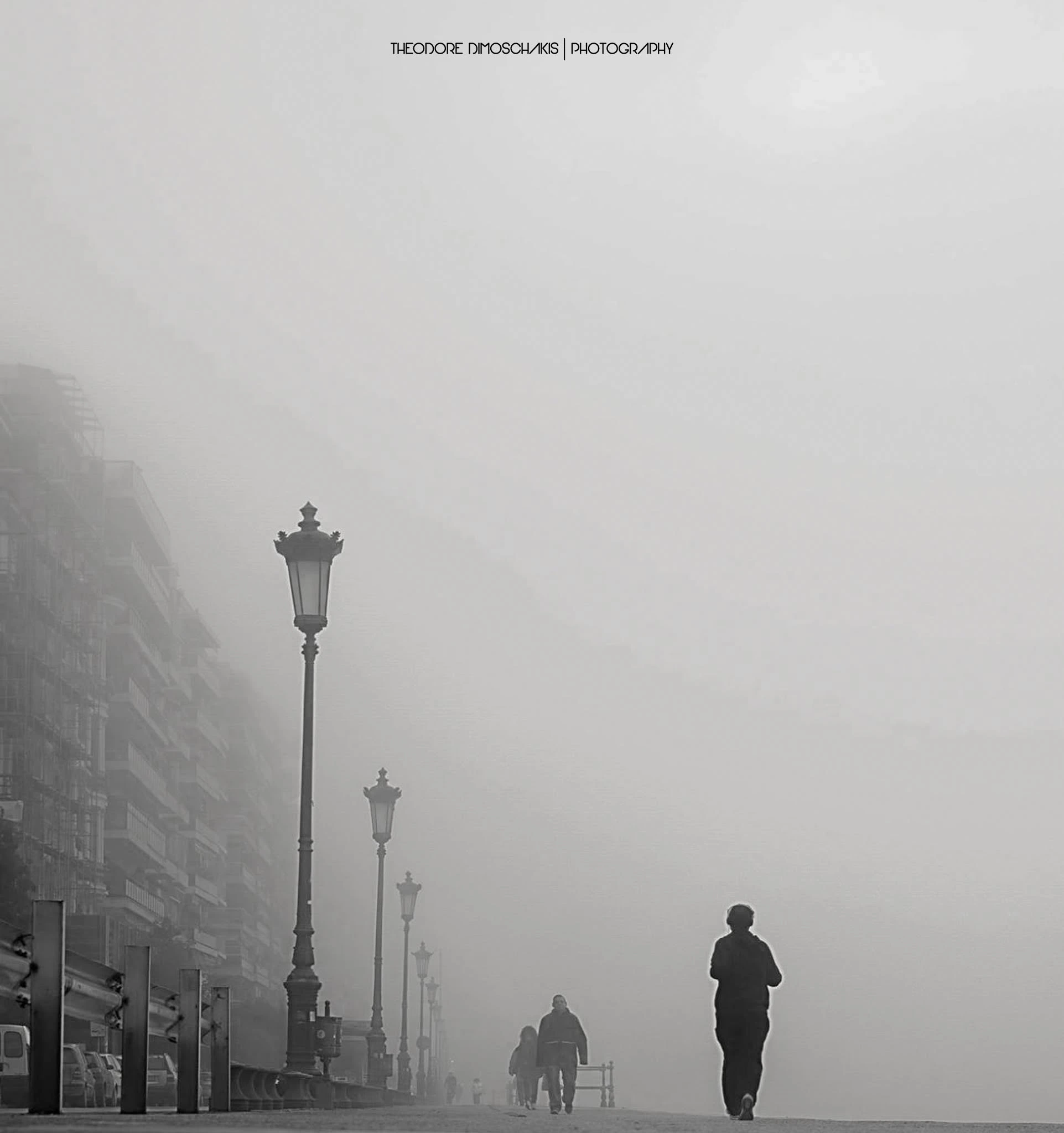
Yet the ultimate violence of systematic extermination was inscribed in the heart of the city, in Eleftherias Square, on the “Black Sabbath” of 1942. There, Thessaloniki suffered a violent demographic and cultural annihilation. An entire community—the Jews of Thessaloniki—was deported to the concentration camps, irrevocably altering the city’s historical landscape and identity.
In the same century, the city was also scarred by the violence of war. The Allied Cemeteries at Zeitenlik form the largest military necropolis in the Balkan Peninsula and contain the graves of Allied soldiers from the First World War. Its marble crosses stand as reminders of the absurdity of war, offering visitors an opportunity for historical reflection and helping to preserve collective memory.
There was also silent violence, less visible but no less real: the violence of waiting, quarantine and the degradation of human existence. It was endured by thousands of uprooted refugees in 1922 at the Kalamaria Disinfection Facilities, where death did not come suddenly, but slowly, through disease, typhus and exhaustion.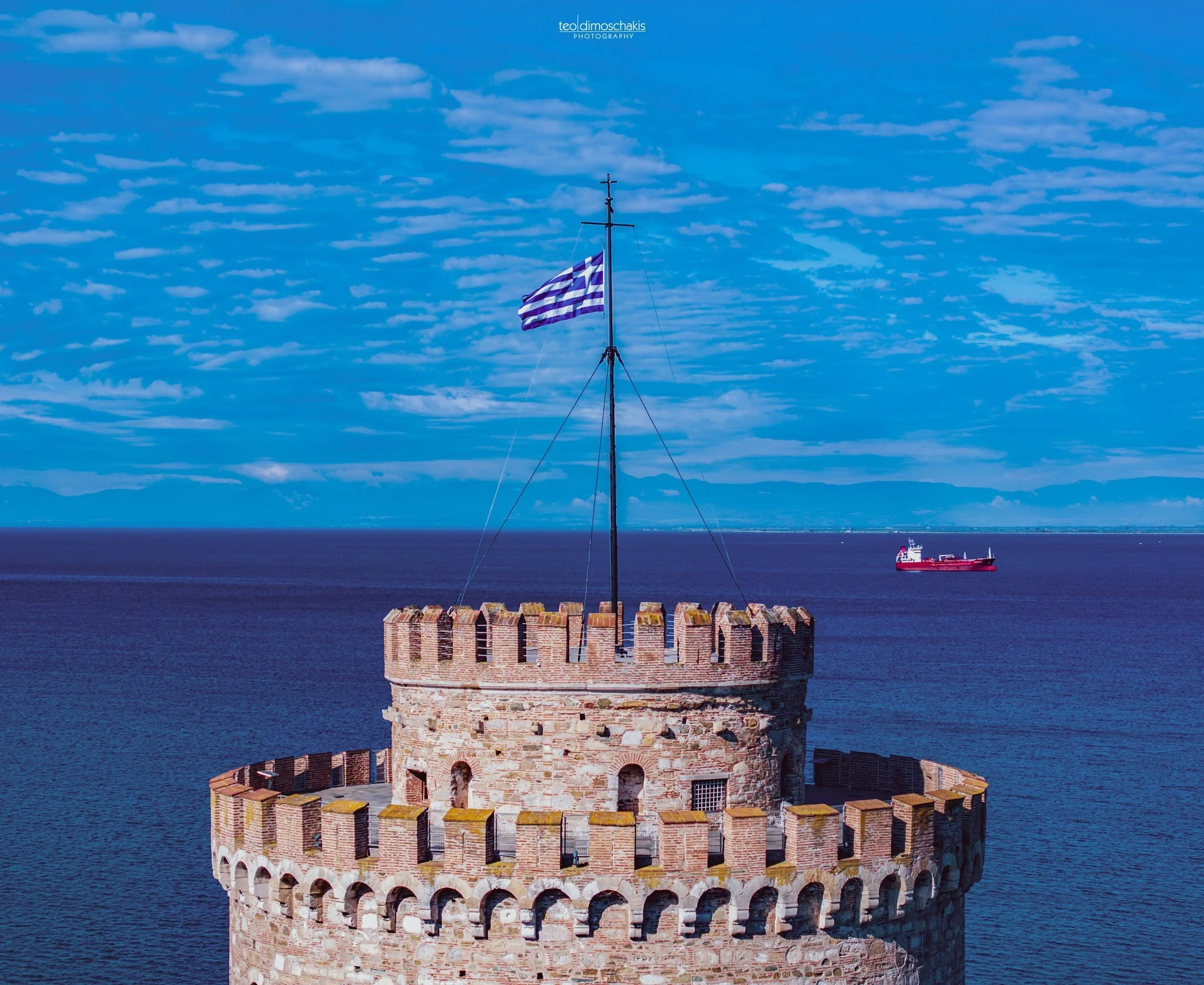
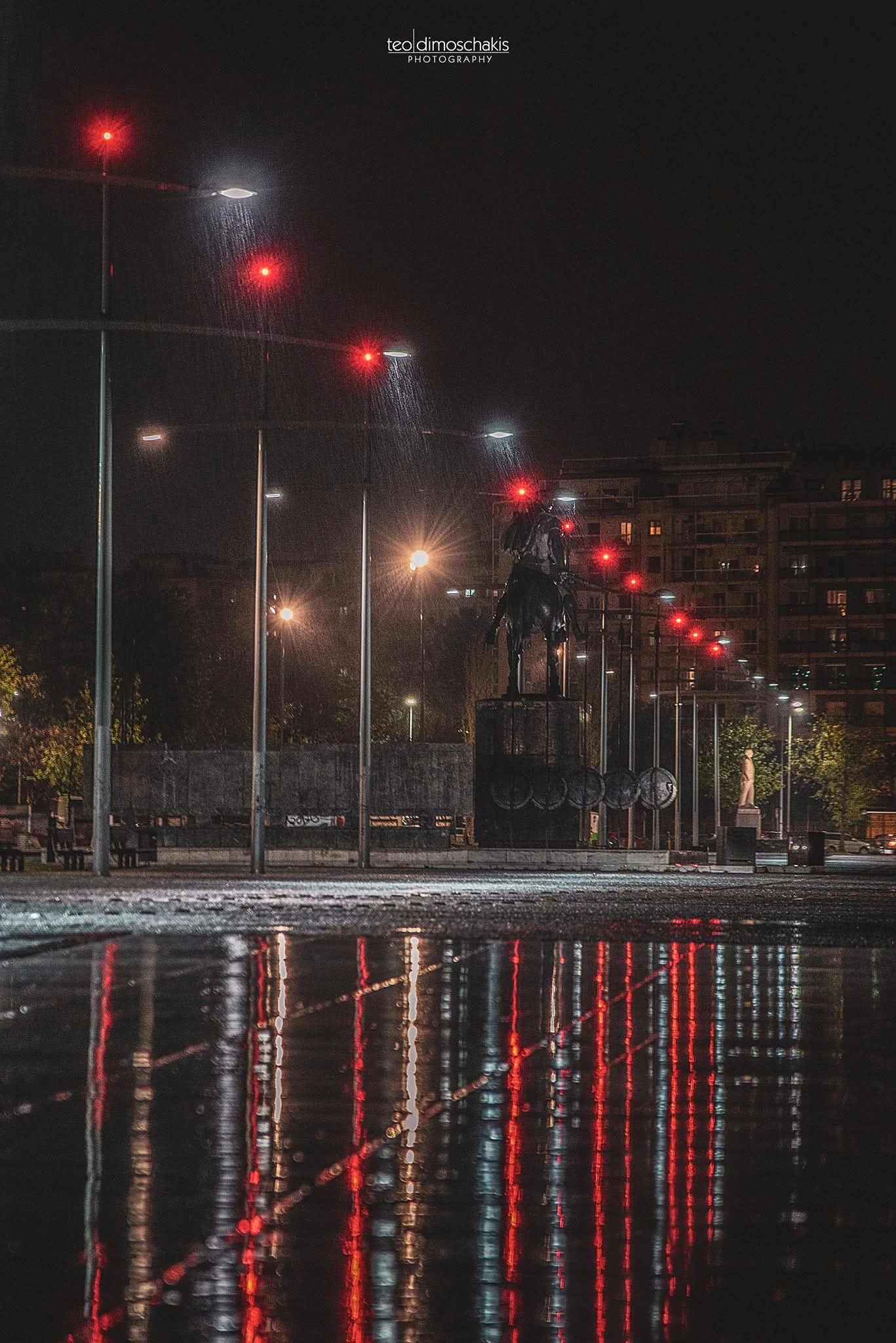
The city was also marked by political assassinations committed on streets now crossed by unsuspecting passers-by on their way to shop or have coffee—streets that remain part of residents’ daily lives and meeting places. These include the murder of the consuls at the Government House; the political assassination of King George I on Vasilissis Olgas Avenue; and, in the city centre, the killings of Tassos Toussis, Giannis Zevgos, a leading member of EAM, the American journalist George Polk, and MP Grigoris Lambrakis.
All these events, and many more, unfolded within a limited urban space, yet Thessaloniki continued to function, to build and to live upon its ruins. Cities, after all, rarely leave their wounds exposed. They cover them with new buildings, new roads and new structures. This is every city’s natural survival mechanism, allowing it to carry on living.
For Thessaloniki, dark tourism is not simply another list of sights to visit. On the contrary, it assumes its true meaning by offering an opportunity to read the city in depth. It does not merely show visitors “where the terrible thing happened”, as one more pin on a map. It helps them understand why that event continues to shape how the city sees itself today—whom it remembers and whom it has forgotten. The most important sites of memory are not always the most famous. Often, they are the ones whose stories cannot easily fit on a postcard. A city’s tourist image seeks light, monumentality and the ideal, turning its gaze away from uncomfortable truths. A postcard can capture the luminous face of a landscape or a building, but it cannot convey absence, the silence of quarantine or the trauma of an assassination. Places such as these—and cities such as Thessaloniki—are not meant merely for a fleeting, commemorative glance. They demand that visitors pause and confront their weight.
Three eminent writers associated with the city gave it three different epithets, together composing the consummate palimpsest of its identity: N. G. Pentzikis called it “Mother Thessaloniki”; Giorgos Ioannou described it as the “Capital of the Refugees”; and Mark Mazower referred to it as the “City of Ghosts”. The truth is that there is no “dark” or “bright” Thessaloniki. There is only one city, with many stories to tell. For ultimately, to love and truly understand this city, one must be able to look every one of its faces squarely in the eye. Dark tourism is nothing more—and nothing less—than an invitation and a challenge to do so. Without fear, and with boundless respect; because when wounds become points along a tourist route, we owe it to those who suffered to walk that route with respect and dignity.