






Full of life, day and night, festive and romantic, cosmopolitan or relaxed, this winter, Athens will be our starting point and destination.
With over 3,000 years of history, the capital of Greece continues to challenge us to get to know it better, to discover something new each time, as our “gaze” changes from the ancient to the modern, from the bustling metropolis to the idyllic landscapes of the mountain and the sea. This winter, let us let the child that we hide inside us live the magic of Christmas, the carefree spirit of Halloween and celebrate the “sketches” of love under the Attic sky and with only our five senses as our guide.

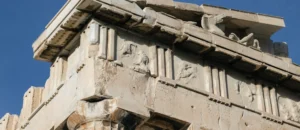
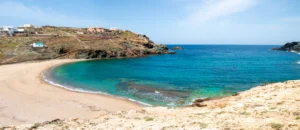
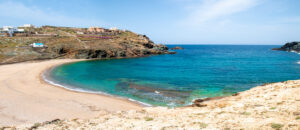
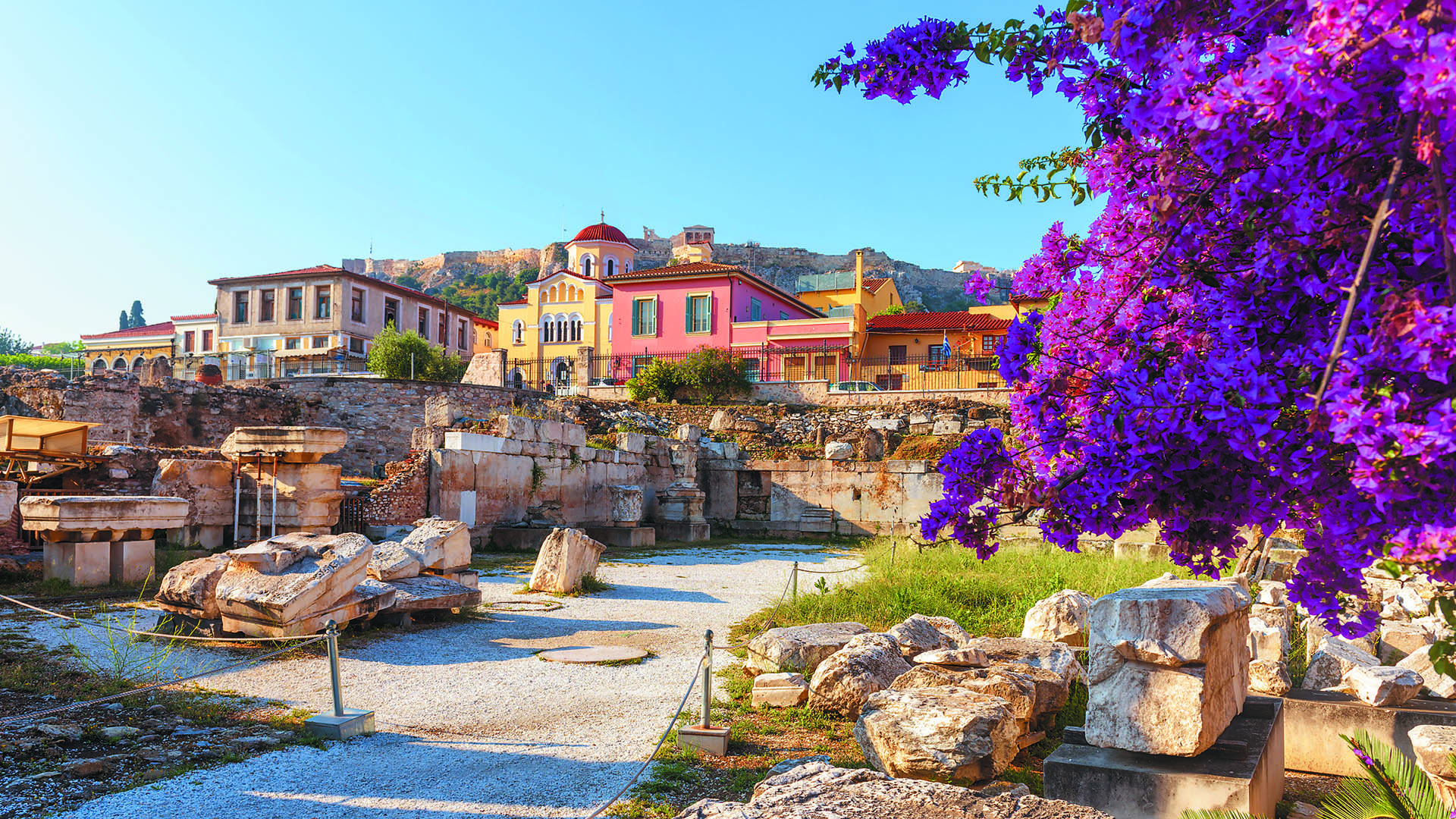
Archaeological sites, museums, gardens, Byzantine churches and modern art and culture sites in the heart of the capital and the surrounding areas bear witness to its long and glorious history and evolution. From the sacred rock of the Acropolis, the neoclassical Zappeion to the cosmopolitan Athenian Riviera, Sounion, the port of Piraeus and the islands of the Saronic Gulf, we can admire the classic and discover nearby destinations, “oases” of tranquility and contact with nature. Every December, the city “wears” its festive clothes for Christmas and New Year, which it celebrates with great pomp. Syntagma Square, the second largest square in Greece and one of the 100 largest in the world, is decorated from end to end with thousands of lights, ribbons and all kinds of ornaments and in its centre the city’s Christmas tree is placed. This year, on 10 December, the tree will be lit to mark the start of the festive season in the capital. Every neighborhood and a celebration. Ancient and modern monuments are illuminated and host Christmas events for young and old.
Santa Claus sets up his workshop this year at Technopolis in Gazi, which has been transformed from a rare industrial monument with over 100 years of history into an important multi-purpose venue for art and events. Festive melodies fill the city’s museums, such as the National Archaeological Museum, the largest in Greece and one of the most important in the world, the multi-award-winning for architecture and cultural heritage, the Acropolis Museum and the Christian and Byzantine Museum, filled with the history of Christianity, where the 14th century icon of the birth of the Lord Jesus Christ, made by a Venetian workshop, is located.

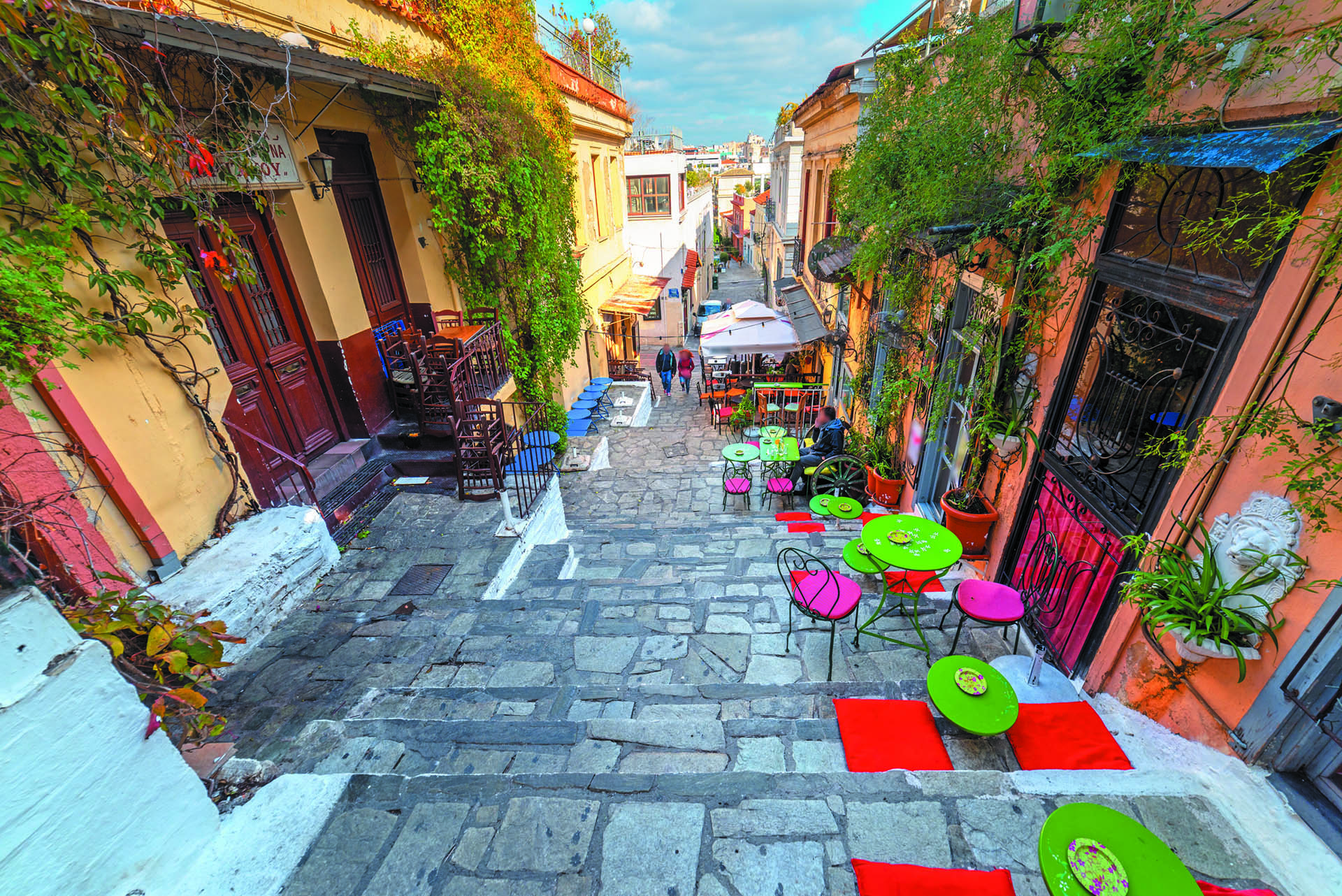
For those who want to experience the religious dimension of these days we will visit the monastery of Kaisariani. Built on the slopes of Mount Hymettus just a few kilometers from the center of Athens, the monastery is a protected monument of the Ministry of Culture and dates back to the end of the 11th and beginning of the 12th century AD. But the Athens tours don’t end here. It is an opportunity with the new year to discover new neighborhoods of the city, such as Anafiotika, a district that looks like an Aegean island under the rock of the Acropolis. Visit the National Garden, for a “breath” of greenery and history, with its tall trees, lush paths, ponds and sundial. A little further down a stop for photos with the pillars of Olympian Zeus, the largest temple of antiquity and the imposing Hadrian’s Gate in the background. In February, we head uphill for romantic walks to Lycabettus and celebrate Koulouma on Philopappos Hill, Plaka and Thiseio. Alternatively, we can experience the festive atmosphere of winter outside the centre in the surrounding areas.
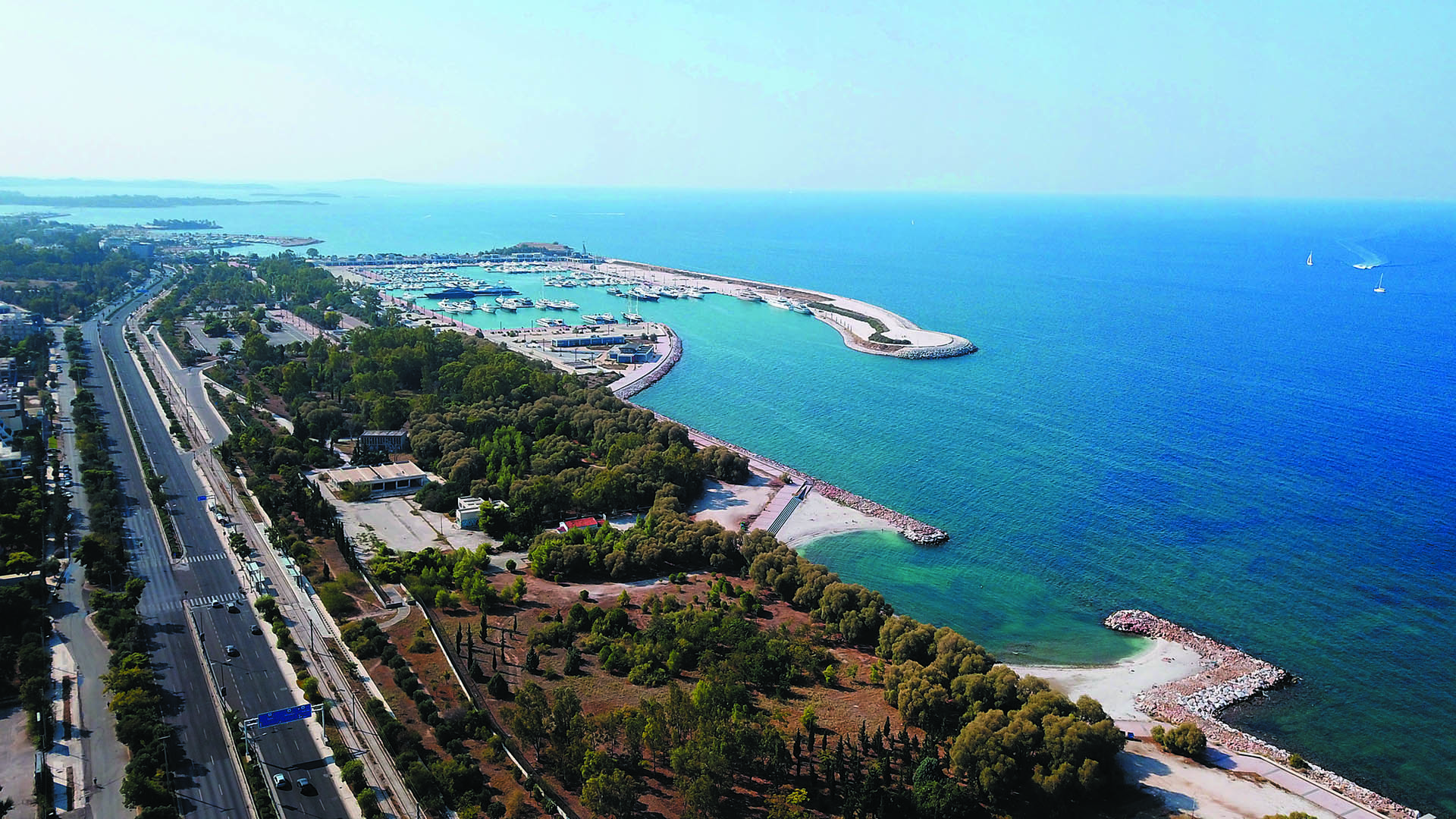
The newly acquired “jewel” of the seafront, the Stavros Niarchos Foundation Cultural Centre hosts all year round activities and actions for children and adults that will
make both Christmas and Halloween unique. Aegina, Spetses, Poros and Hydra give an island colour to Christmas, decorating boats with flags and
colorful candles and are also an ideal destination for the Easter Monday.
The Christmas period was also a period of celebration in Ancient Athens. Only before the establishment of Christianity, they celebrated the birth of Zeus or the Sun. Ancient Athenians decorated olive branches and hung them in their houses. Children who had both parents alive, going from house to house, holding in their hands a bouquet of flowers with
olive and laurel branches, tied with white and red threads, singing hymns with blessings, something like today’s carols, which were called “kalends”.

Music in Athens, since ancient times, has occupied a prominent place in the life of the citizens. Concerts, musical performances, nightclubs and street musicians, who “spread” a carpet of notes in our passing, are “teeming” throughout the city, both in the centre and in the surrounding areas. Sounds from all over Greece and the world are “squeezed” into every
kind of entertainment in the capital. From traditional Greek music, rebetiko, classical European music, art music to rock, rap, hip hop, jazz and other contemporary sounds that will not leave anyone unmoved. Particularly during the festive and carnival season, nightclubs have prepared a variety of music programmes for every taste, alongside the musical events and concerts organised by the Municipality, the Museums and other art and culture venues. A landmark of the capital’s music scene in modern times is the National Opera House, founded in 1939 and now located under the roof of the Stavros Niarchos Foundation Cultural Centre, the National Conservatory, founded by the composer Manolis Kalomiris in 1926, from which the internationally renowned soprano Maria Callas graduated, and the Athens Concert Hall, founded in 1991, which hosts numerous artistic events.
In Athens, as in other parts of the world, parties are occasionally organized that don’t bother anyone. These are the silent parties that participants with wireless headphones
in their ears they listen to the music they want and dance to a frenetic rhythm. The first “quiet” party was organised in the capital in April 2011 and since then similar events have been organised very often.
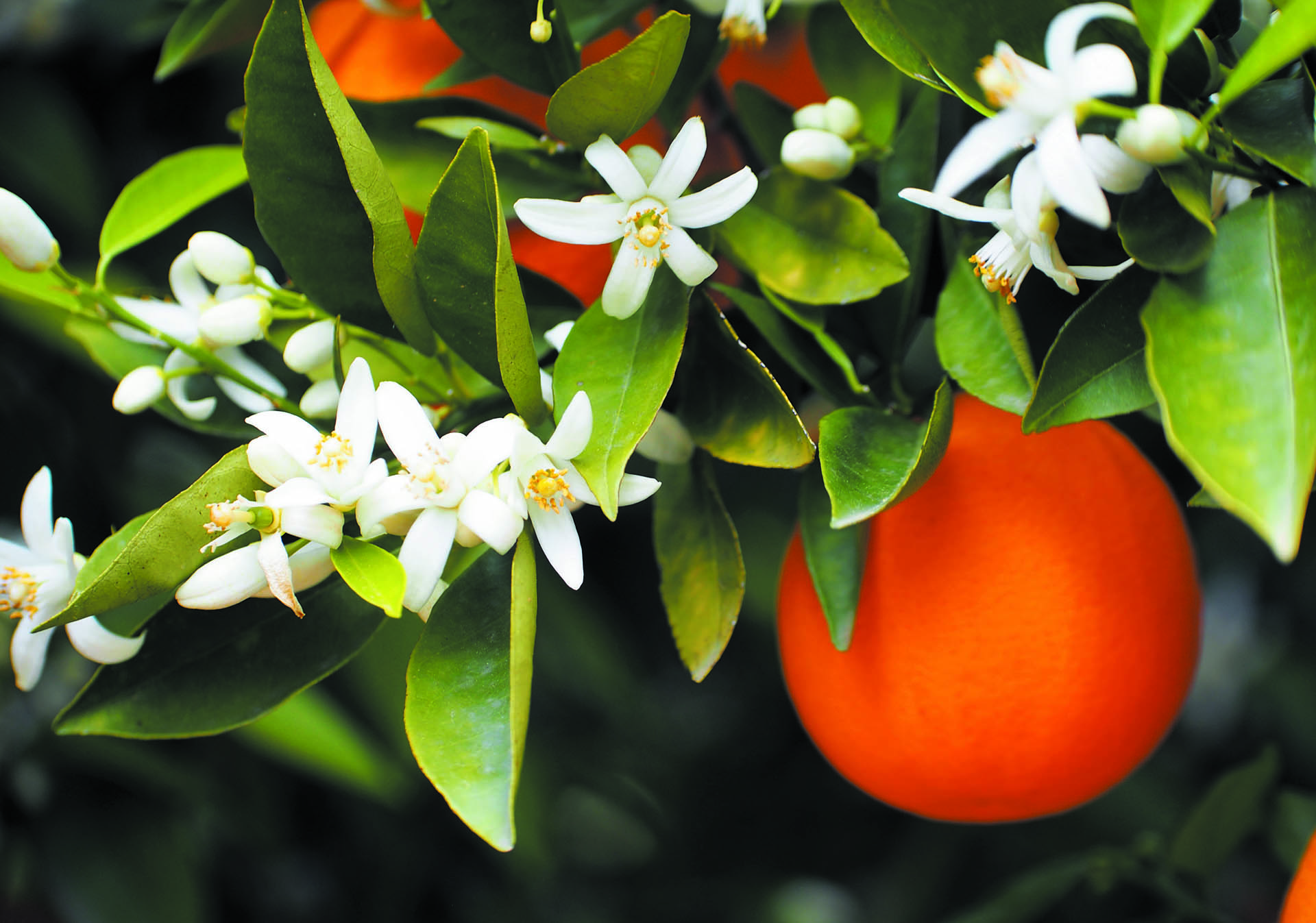
The wonderful scent of the nerantzia flower is a characteristic smell of Athens, as it is a tree that is often found on the city’s sidewalks. Their history goes back to the 19th century, when they first arrived in Athens via Genoa on the orders of Queen Amalia. Apart from the water chestnut trees, the smell of the pine trees that
found on Lycabettus and Philopappos Hill is characteristic, as is the scent of jasmine that is pervasive in the city’s neighborhoods. The smells of fresh fish, spices and all sorts of savouries overwhelm the Central Market of Athens, the Varvakeio. A monument of special architecture, which has been in continuous operation for over a century. Athenians flock to the shops of Varvakeion to buy the necessary raw materials for their festive table at Christmas and
New Year’s Eve and the Lenten dishes of Holy Monday. Icing sugar, cinnamon, nuts and dried fruit make up the most Christmassy smells
throughout the capital. The smell of roast meat on Tsiknoe Thursday fills the Attic sky both in the city centre, at Monastiraki and Psirri and in the famous “Vlachika”, the taverns of Vari. Leaving the centre in a southerly direction, the winter sea breeze will awaken summer memories and add a nostalgic note to our walk, while northwards towards Ymittos and Parnitha, the main mountain ranges of Attica, will fill our nostrils with the beneficial smells of herbs.
The native rosemary and thyme, the thurible and the healing for our stomach, epilobium.
In 1861, Aeolou Street became the first street in Greece to be flooded with the smell of freshly made chocolate. It came from the sweets factory of Spyridon Pavlidis, the first to bring chocolate to our country.
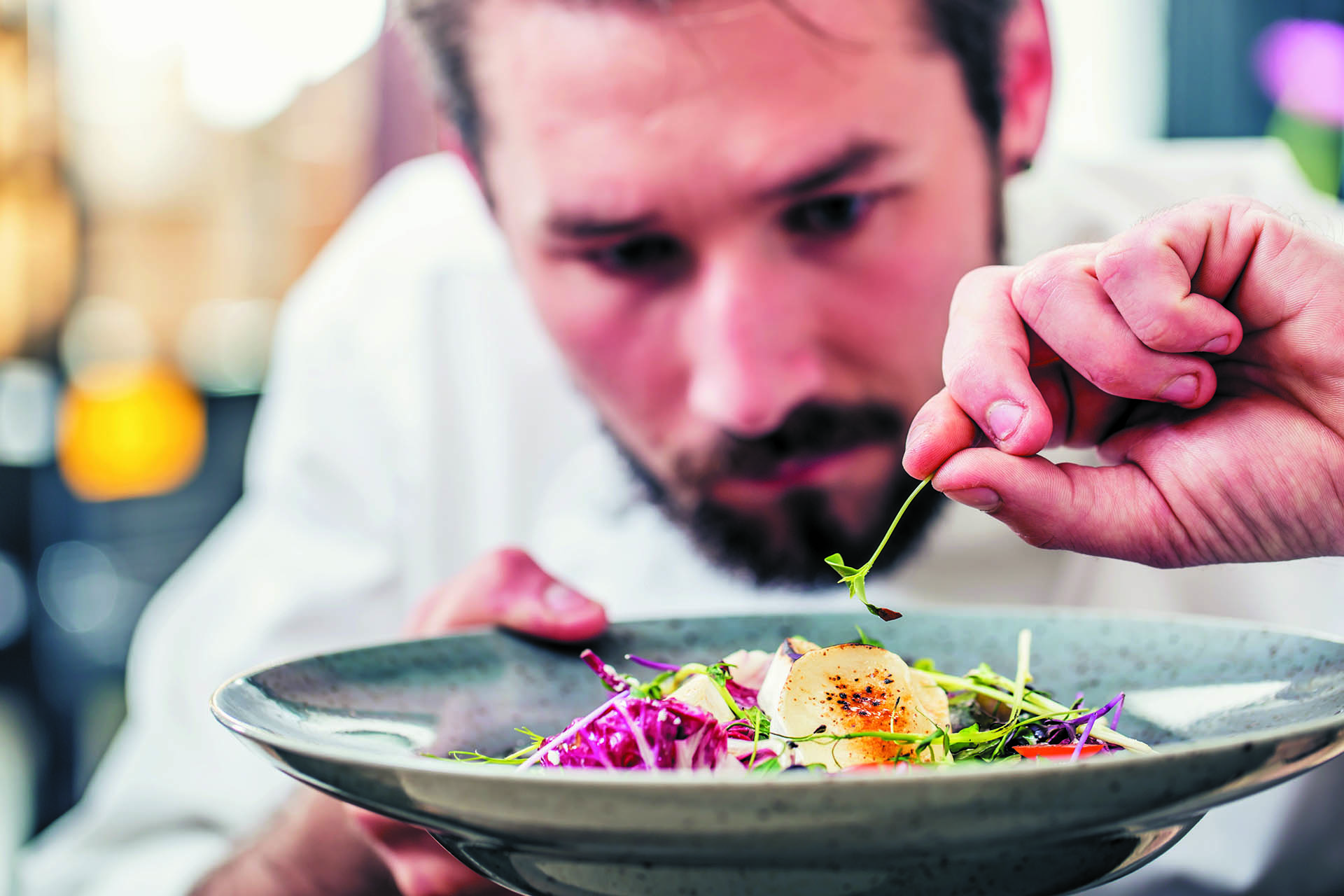
From ancient Athens to the present day, the eating habits and the diet of the Athenians have changed drastically and enriched with foods from all parts of the world. Plus, the
Athens is a metropolis of flavours where we can taste traditional, modern and original dishes in every corner of the city. Greek traditional flavors in taverns, taverns and modern restaurants of high gastronomy, awarded with Michelin stars. Fresh fish at seafood joints with seafood or even vegetarian options.
At the same time, Athens as a metropolis is full of ethnic restaurants with flavours from all over the world, including Asian, Arabic, Indian and European. The Greek souvlaki, however, remains the most famous, but also the most loved food, which we can taste in many variations. At Christmas and New Year, hotels and several restaurants
of the city hold festive brunches and celebrations, with simple and complex flavours, rich and often original menus. Kourabiedes and melomakarona have their place of honour, decorating the windows of bakeries and pastry shops, framed by ribbons and bright signs. Vasilopites with different shapes, flavours and decorations, but with the necessary coin, also adorn the windows and counters of bakeries. The tasty occasions never end in this city. Chocolates and
heart-shaped sweets await Valentine’s Day lovers, while the taverns and restaurants in Plaka, Monastiraki, Thiseio and elsewhere attract a large number of visitors and Athenians who celebrate Halloween with seafood, various island delicacies and the classic lagana. The islands of the Saronic Gulf are also a good choice for Carnival Monday, which this year coincides with the end of winter and the beginning of spring. Octopus, shellfish and taramosalata by the sea on the island of peanuts, Aegina, in heroic Spetses, on the island’s charmer, Poros, and in aristocratic Hydra.
During the day, the ancient Athenians had four meals: breakfast, which consisted either of “akratismas” – barley bread dipped in unfermented wine – or “kykeonas”, a drink made from boiled barley and flavoured with thyme or mint, often accompanied by olives and figs. Lunch, which they called “ariston”, dinner and supper, which was very rich in all kinds of dishes, such as meat, fish and seafood, raw salads with fresh vegetables and goat’s cheese. Also, plenty of wine and at the end the desserts, the so called “tragimata”, consisting of fresh or dried fruits, nuts and sweets with honey.
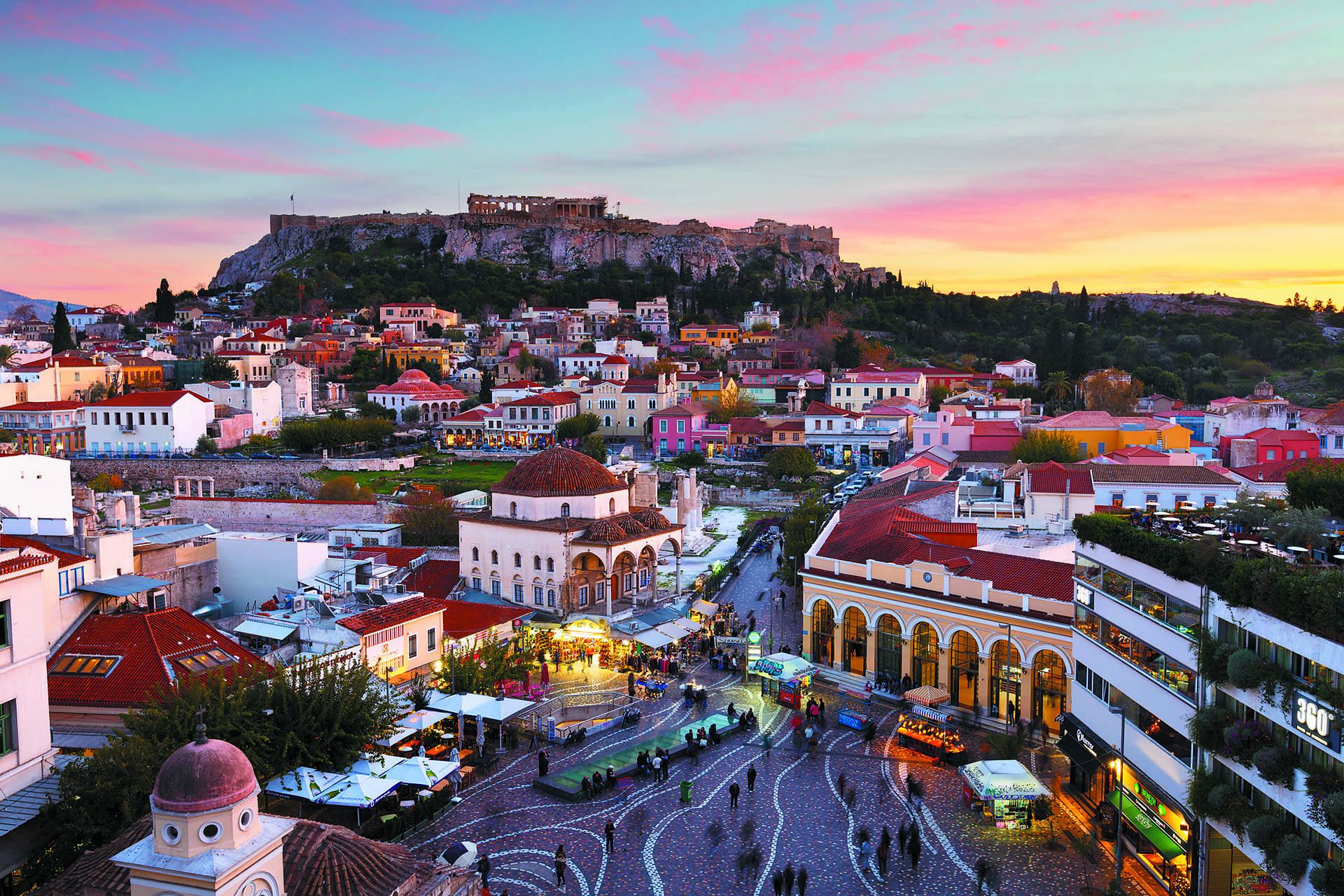
Accommodation in few or many star hotels, endless shopping in Ermou, Panepistimiou, Omonia and the big shopping centres of the suburbs as well as short excursions to history, art, culture and nature. Winter is the ideal time to discover the Athens that we want and that suits us. Athens combines mountain and sea and gives us countless opportunities to enjoy nature through many different activities. Hiking on the relatively easy paths of Ymittos and Parnitha and mountain biking. Winter walks in the Athenian Riviera, where we can enjoy our coffee by the sea in peace and quiet. For a pre-Christian getaway, we can visit the dozens of monasteries and Byzantine churches of which, the Monastery of St. Ephraim in Nea Makri, the Holy Monastery of the Assumption of the Virgin Mary in Penteli, the Holy Monastery of the Holy Trinity in Aegina, with the church of St. Nektarios, one of the largest in the Balkans. For wine lovers, Messongaia is famous for its wineries, many of which are open to the public. The variety Savvatiano is the most common in Attica along with Roditis, while in recent years other international varieties have been cultivated that produce aromatic and spicy wines.
Monastiraki, one of the busiest places in the centre of Athens and a meeting point for going out with friends for food, drinks and shopping in the surrounding shops, took its name from a monastery that existed in the area since the 11th century AD. When it lost its assets, it was downgraded to a monastery from which only the well-known church in the square, Panagia Pantanassa, now survives.