






 SOPHIE THEMELIS
Wellness Coach
Pilates Instructor
Free Spirit
THE MEDITERRANEAN DIET… NOT A DIET BUT A WAY OF LIFE!
No trip to any country is complete without sampling its local dishes. Even more so when that country is Greece, a country with a rich and delicious cuisine! Like many areas of the Mediterranean, you can find cereals, vegetables, fruit, olive oil, fish, seafood, cheese, yoghurt, honey, nuts and wine almost everywhere!
All of these make up one of the healthiest and tastiest dietary models in the world. The Mediterranean Diet! It comes from the historical dietary and social patterns of regions around Italy, Greece and Spain and has been recognized by UNESCO as an Intangible Cultural Heritage of Humanity.
In his book “Idypathia”, the ancient Greek poet and father of gastronomy, Archestratus of Syracuse advises readers to take time and indulge in quality food with others: “….I am writing a book of advice for all Greeks, people who dine together at a rich table….”.
The Ancient Greeks ate four meals a day:
the Aratism: Breakfast consisting of wheat and barley bread dipped in wine, onions, olives, figs or other fruits, herbs and sweets.
To Ariston: Lunch consisting of fish, legumes or bread, wheat and barley with cheese, olives, eggs, dried and fresh fruit.
The Escape: Afternoon snack consisting of: nuts or fruit.
The Dinner: dinner consisting of fresh or salted fish, poultry,
vegetables, pies, cheese, mashed beans, fava beans and for dessert, dishes with fresh and dried fruits, honey and nuts, accompanied with wine.
Eating meat was considered barbaric and was not customary at the table. They would mix their main drink, wine, with water, turning it into wine to avoid getting drunk and to keep listening to the conversation. Apparently, dinner was the most substantial meal of the day and was enjoyed in the company of friends.
The Mediterranean diet includes almost the same elements in terms of meal times, ingredients and philosophy!
Principles of the Mediterranean diet:
1.Eat mostly plant foods, such as fruits, vegetables, whole grains, legumes and nuts.
2.Replace saturated fats (butter) with monounsaturated fats (olive oil). Monounsaturated fats do not raise blood cholesterol levels like saturated fats do.
3.We use herbs and spices instead of salt to flavour our food (oregano, basil, dill, parsley, rosemary, rosemary).
- Limit the amount of red meat we eat to a few times a month.
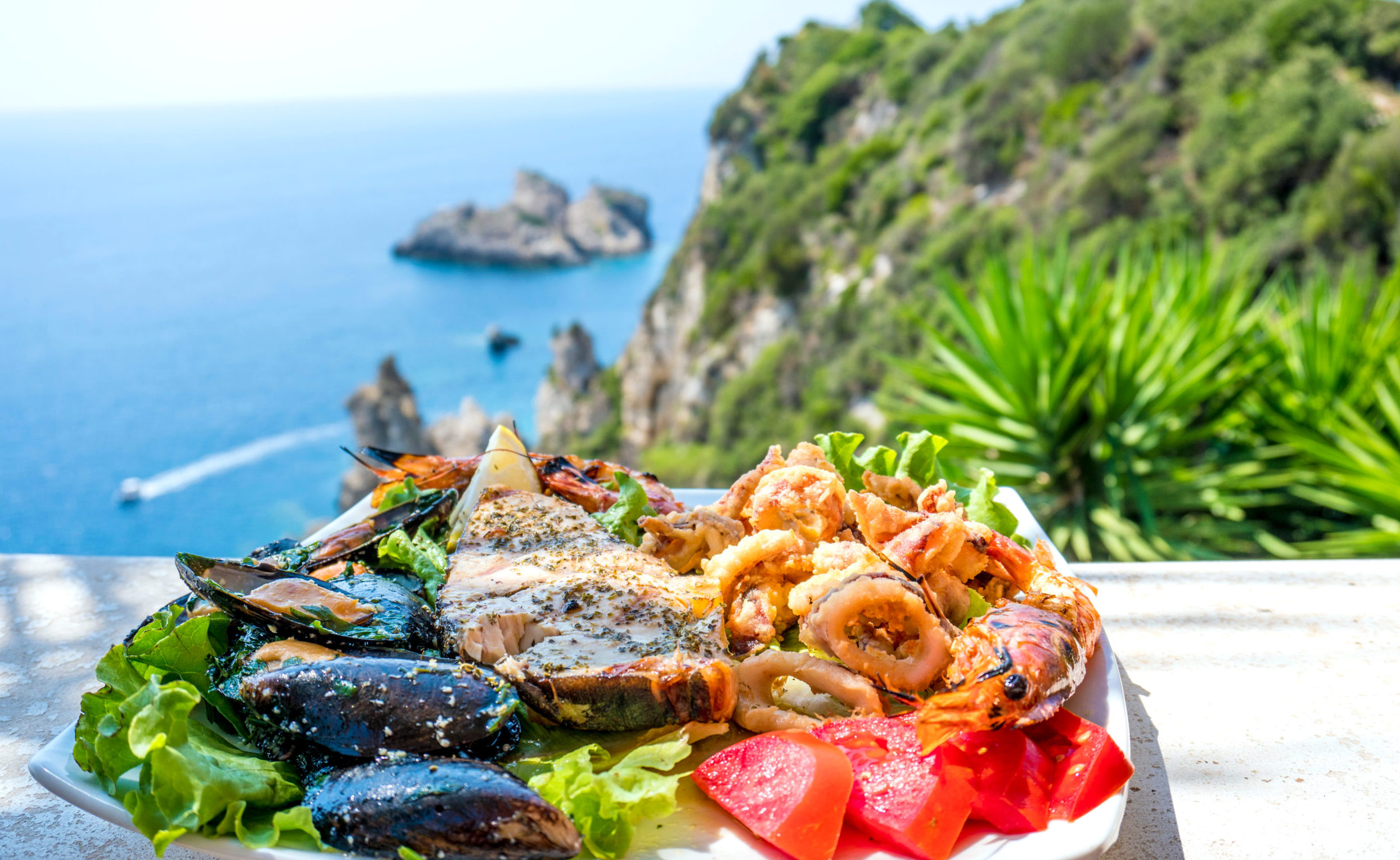
- We eat fish and poultry twice a week.
- Drink plenty of water.
- Drink red wine in moderation.
- Slowly enjoy a cup of Greek coffee, rich in polyphenols, antioxidants and low in caffeine.
- We get enough exercise every day, sleep well at night, rest with short naps during the day and enjoy meals with family and friends.
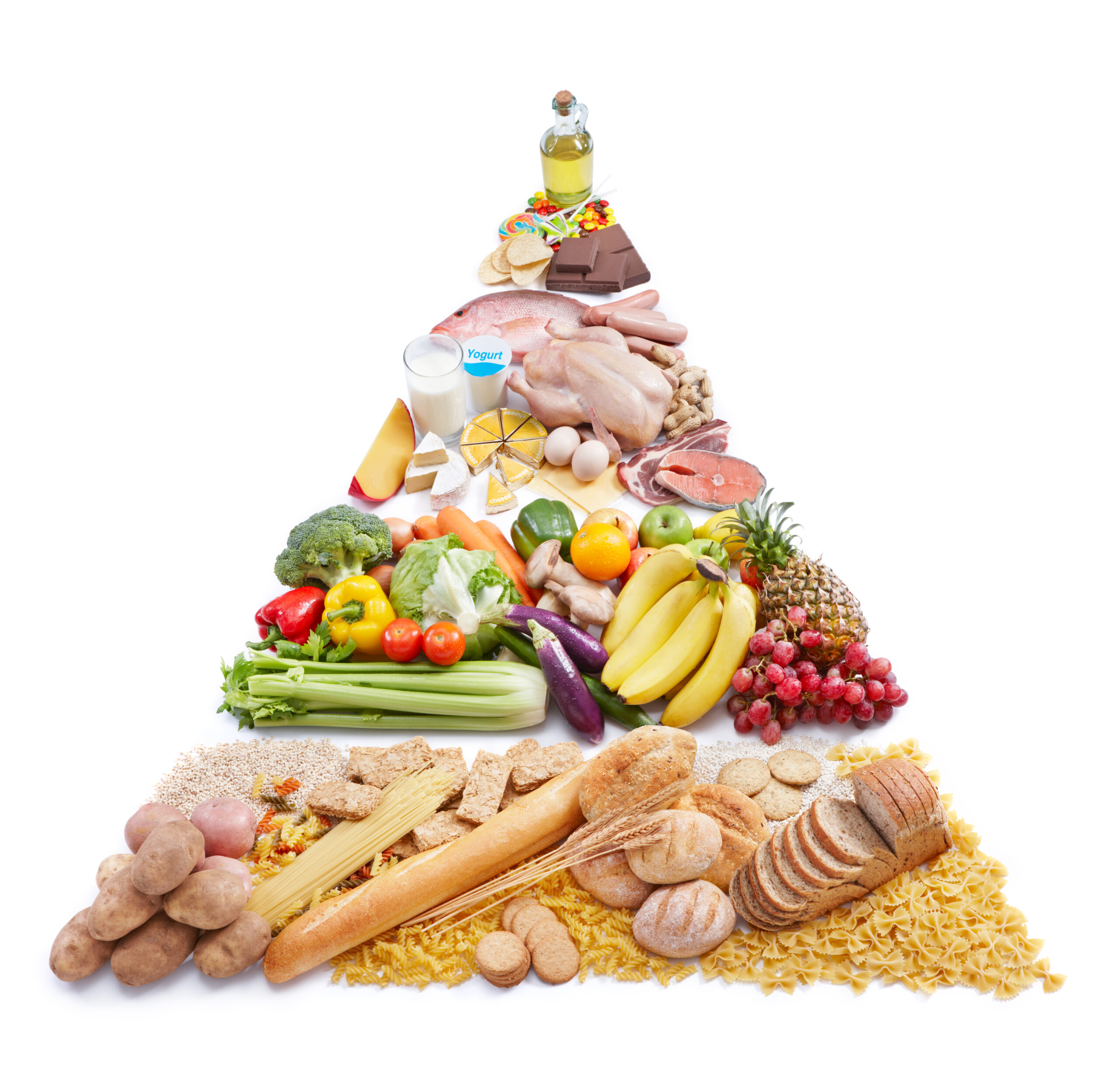
The Pyramid of the Mediterranean Diet
This dietary guide was developed by the Harvard School of Public Health and the World Health Organization in 1993. It is linked to dietary habits studied in Mediterranean regions where olive oil is grown and in areas where chronic disease rates were among the lowest in the world and adult life expectancy was among the highest: Crete, the rest of Greece and southern Italy. It does not suggest portion sizes.
Important facts:
1.It is low in processed foods, salt and sugar.
2.It helps you lose weight in a healthy way.
3.Improves heart health.
4.Helps fight cancer.
5.Prevents or treats Diabetes.
6.It can fight stress, relax and improve your mood.
- It can help you live longer!
Please note that not all commercially available products are suitable for the “Mediterranean Diet”. Often these commercial terms are vague “romantic” descriptions, hiding plenty of sugar, salt, trans fats (unsaturated fatty acids) and preservatives.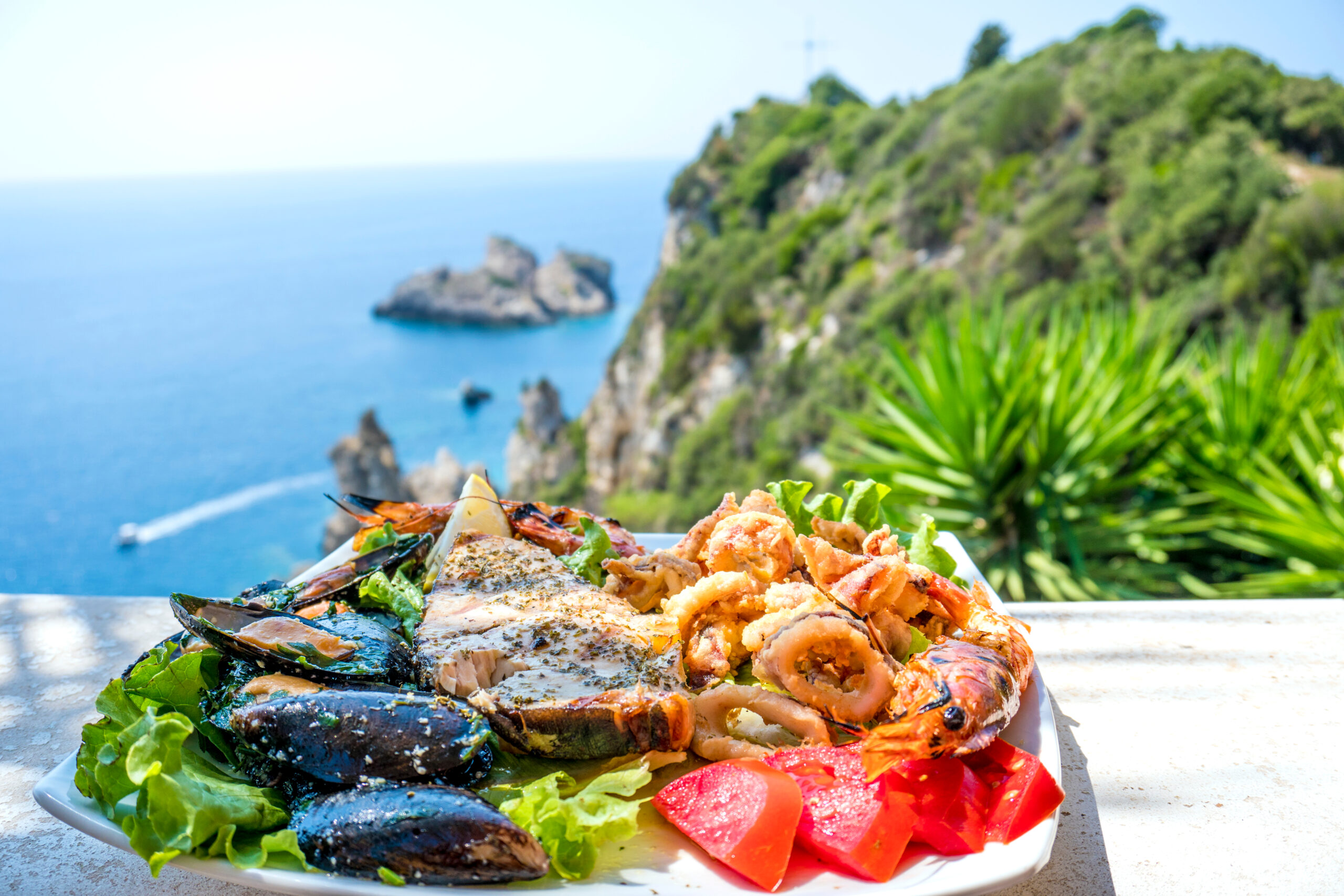

Elements of the Mediterranean diet can be found in popular foods and drinks of our islands. For example: the famous chickpeas of Sifnos, the famous “Revithada”, the cheese “Mastelo” and “Amygdalota”. Naxos, with its top quality potatoes, is famous for its stews, cheeses and the thick-skinned citrusy citrus, citron.
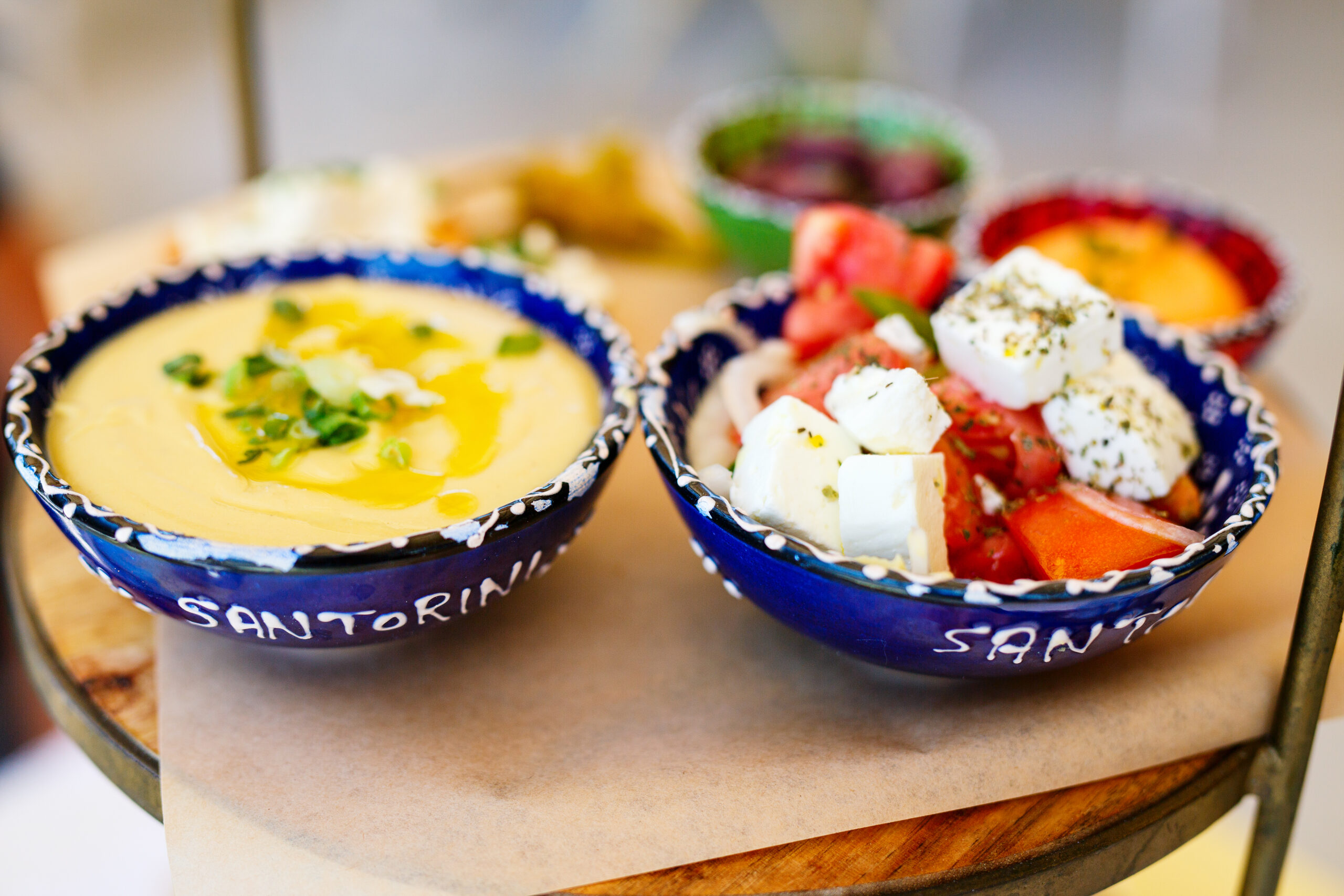 Santorini with the famous “Fava”, the excellent vegetables and fruits, the fish and the fine wines. Syros with its low-fat sausages, flavoured with fennel and garlic, spicy cheese and mandolato. Milos with tomato and spicy peppers stew “bouillardis” and spoon sweets. Tinos with its wonderful fish and seafood, dairy products, honey, “Tinian” cheese and artichokes and finally the rising star, Tilos with a kind of pasta, “Koulourida”, myzithropitakia, grass pies, chondros with cracked wheat and its excellent traditional sweets such as ‘Melekouni’ and ‘Pugatakia’ with almonds, sesame and honey.

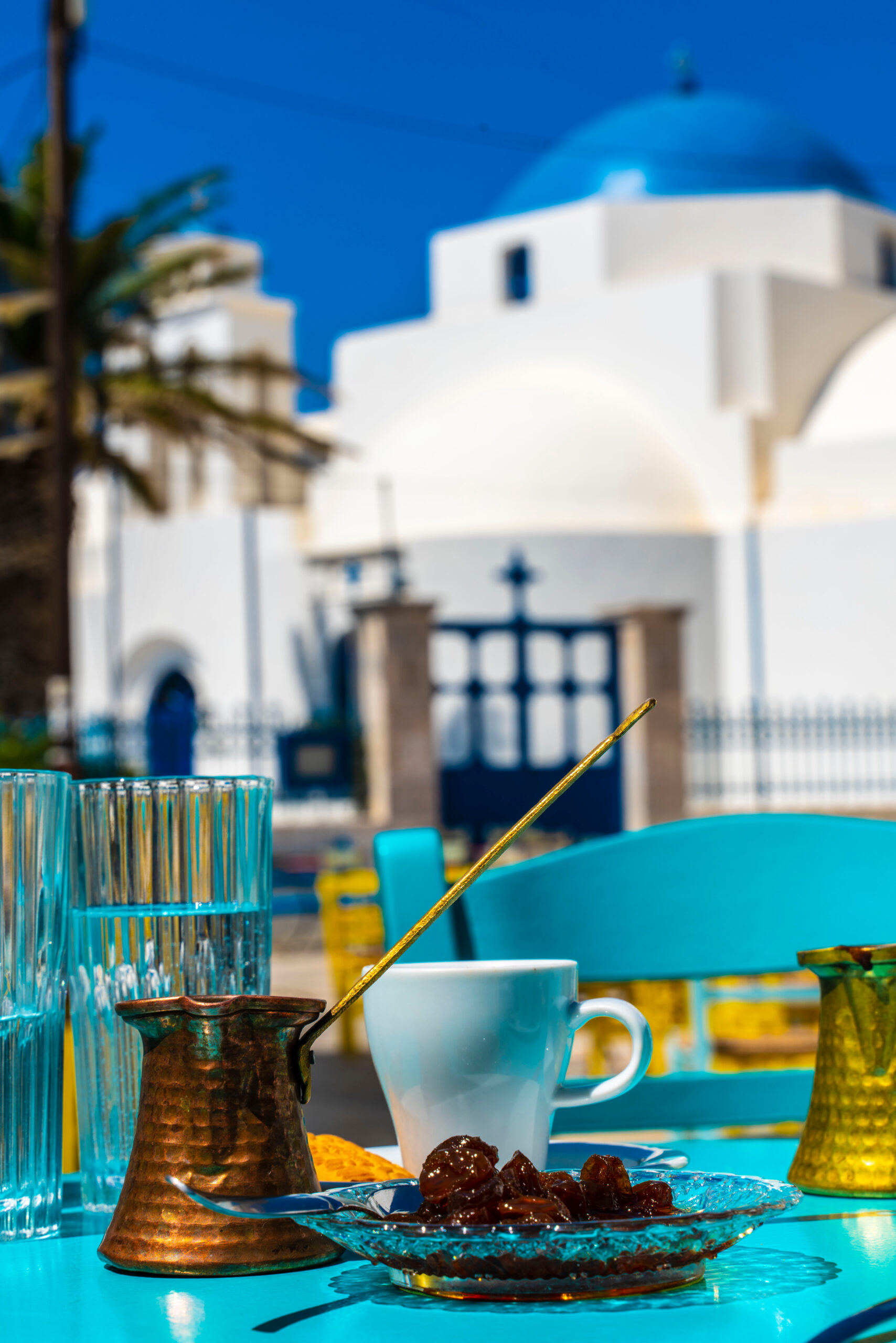
Are you drooling over all these delicacies? Keep in mind, however, that in addition to the dietary recommendations, the Mediterranean Diet encourages people to spend time in nature, to get a good night’s sleep at night and during the day with a midday “siesta”, to have a healthy relationship with food and to “bond” with family and friends around a table of delicious healthy home-cooked food. Fill a glass of wine, enjoy a cup of Greek coffee, preferably in the café and find time to laugh, dance, socialize, relax and just live!
I assume you agree with me… The Mediterranean Diet is not just a diet but the ultimate lifestyle!
Edited by Lillian Psyla
SOPHIE THEMELIS
Wellness Coach
Pilates Instructor
Free Spirit
The Mediterranean Diet ….not a diet but a lifestyle!
No trip to any country is complete without sampling its local dishes. More so when this country is Greece, a country abundant in rich and delicious cuisine! Like many Mediterranean regions one can find wheat products, vegetables, fruits, olive oil, fish, sea food, cheese, yoghurt, honey, nuts and wine almost everywhere! All of which are elements of one of the healthiest, flavorful diets in the world: the Mediterranean Diet; the diet that comes from the historical eating and social patterns of regions around Italy, Greece and Spain which has been recognized by UNESCO as a cultural heritage of humanity.
In his book “Hedypatheia” the ancient Greek poet and father of gastronomy, Archestratus of Syracuse advises the readers to set aside time and indulge in quality food in the company of others “….I am writing a book of advice for all Greeks, people should dine together at a rich table….”, the Ancient Greeks ate four meals a day which included:
Akratisma: Breakfast consisting of: wheat and barley bread, dipped in wine accompanied with onions, olives, figs or other fruits, herbs and sweets.
Ariston: Lunch consisting of: fish, legumes, or wheat and barley bread with cheese, olives, eggs, dried and fresh fruit
Esperisma: Afternoon snack consisting of: nuts or fruit.
Deipnon: Dinner consisting of: fresh or salted fish, poultry, vegetables, pies, cheese, purees of beans and lentils “fava” and a sweet course taken as an accompaniment to wine, consisting of fresh and dried fruit, honey and nuts. Meat consumption was thought to be barbaric, and was rarely used. Water was poured into their basic drink; wine to avoid getting drunk and be able to follow the conversation. Obviously that was the richest meal of the day and almost always enjoyed in the company of friends.
The Mediterranean Diet includes pretty much the same elements in terms of meal times, ingredients and philosophy!
Here are the principles of the Mediterranean diet:
- Eating primarily plant-based foods, such as fruits, vegetables, whole grains, legumes and nuts
- Replacing saturated fats (butter) with monounsaturated fats (olive oil).Monounsaturated fat doesn’t raise blood cholesterol levels the way saturated fat does.
- Using herbs and spices instead of salt to flavor foods (Oregano, Basil, Dill, Parsley, Rosmary)
- Limiting red meat to no more than a few times a month
- Eating fish and poultry twice a week
- Drinking water in abundance
- Drinking red wine in moderation.
- Enjoying a cup of slowly brewed Greek type of coffee rich in polyphenol, antioxidants and low in caffeine.
- Getting plenty of exercise, enough sleep and naps, and enjoying meals with family and friends.
The Mediterranean Diet Pyramid
This nutritional guide was developed by the Harvard School of Public Health and the World Health Organization in 1993. It is tied to areas of olive oil cultivation and areas where the rates of chronic disease were among the lowest in the world, and adult life expectancy was among the highest, in the Mediterranean region: Crete, Greece and southern Italy. It does not recommend serving sizes. Highlights:
- Low in processed foods, salt and sugar
- Helps you lose weight in healthy way
- Improves heart health
- Helps fight cancer
- Prevents or treats Diabetes
- Can de-stress, relax and improve your mood
- May help you live longer!
Keep in mind that not all products commercially marketed as “Mediterranean-Diet” products are indeed so. Many times these commercial terms are vague romanticized descriptions that hide loads of sugar, salt, Trans fats and preservatives in their folds.
Elements of the Mediterranean diet are present in top foods and drinks in some of our islands. For example: Sifnos’s famous chickpeas “Revithada”, “Mastelo” cheese and almond cakes “Amigdalota”; Naxos with its top quality potato stews, cheeses and the thick-skinned citrus fruit “Citron”; Santorini with its famous lentil puree “Fava”, exceptional vegetables, and fruits, fish and fine wines; Syros with its low fat sausages flavored with fennel and garlic, spicy cheese and nougat pie; Milos with its tomato and spicy peppers stew “Bouyiourdi” and spoon sweets; Tinos with its marvelous fish and sea foods, dairy, honey, “Tiniako” cheese and artichokes and finally the rising star Tilos with its wheat pasta “Koulourida”, hard feta cheese, mizithra triangles, vegetable pies, Hondros made with cracked wheat and exceptional sweets like “Melekouni” and “Pouggakia”, traditional pastries made with almonds, sesame seeds and honey.
By now your mouth may be watering, just let me remind you that aside from its food recommendation, the Mediterranean Diet encourages people to spend time in nature, get goodnight sleep and mid-day naps, have a healthy relationship with food and bond over tasty home-cooked healthy meals with family and friends, add a glass of wine, enjoy a cup of Greek type coffee preferably at a “kafenio” and make time to laugh, dance, socialize, relax and simply live.
I guess you will agree with me…The Mediterranean Diet is not just a diet it is the ultimate lifestyle!