








Health & Wellness have quietly become two of the most decisive reasons to travel.
Not as an emergency, not as a trend, but as a conscious choice shaped by ageing populations, post-pandemic awareness, rising stress indicators, and a global shift toward prevention, recovery, and longevity.
International data from organisations such as UNWTO, ESPA and the European Commission confirm what the tourism industry already feels: medical and wellness tourism is one of the fastest-growing segments worldwide, driven by trust, quality of care, and the environments that support healing beyond the clinic.
ITB Berlin 2026 reflects this reality clearly, placing Medical & Health Tourism at the centre of its agenda, infrastructure and international dialogue.
“Within this evolving geography of health travel,
Greece occupies a distinct and increasingly strategic position. “
Not because it competes on volume or aggressive medical pricing, but because it offers something more complex and harder to replicate: a convergence of therapeutic landscape, evidence-based medical services, and tourism infrastructure that supports recovery, prevention, and well-being as a continuum.
Historically, Greece has been associated with healing places. From ancient thermal towns and balneological traditions to climate-based therapies, health in Greece has always been inseparable from place.
What has changed in recent years is not the foundation, but the framework around it.
Post-COVID investment cycles have significantly upgraded Greece’s transport networks, hospital facilities, private clinics, rehabilitation centres, and high-end hospitality infrastructure.
These upgrades are not cosmetic. They directly address the core requirements of medical and health tourism: accessibility, safety, continuity of care, and quality assurance.
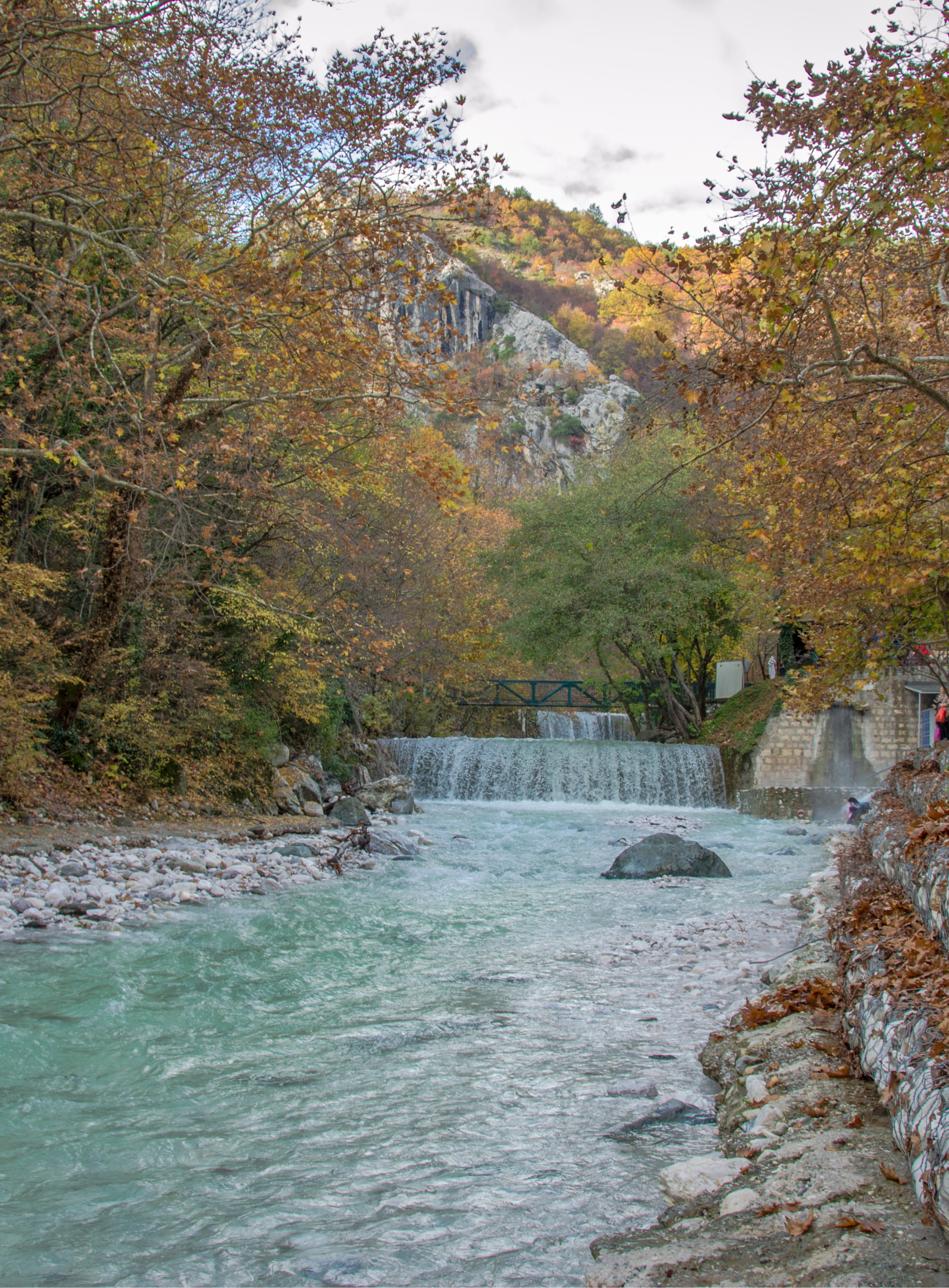
“Recovery environments are no longer secondary. They are decisive. “
Research across European health tourism markets consistently shows that the recovery phase is now one of the most decisive factors in destination choice.
Patients and travellers are no longer seeking only successful procedures; they are seeking environments that actively support healing.
Climate stability, low pollution, access to nature, mental calm, and high-quality accommodation are medically relevant variables, not lifestyle add-ons.
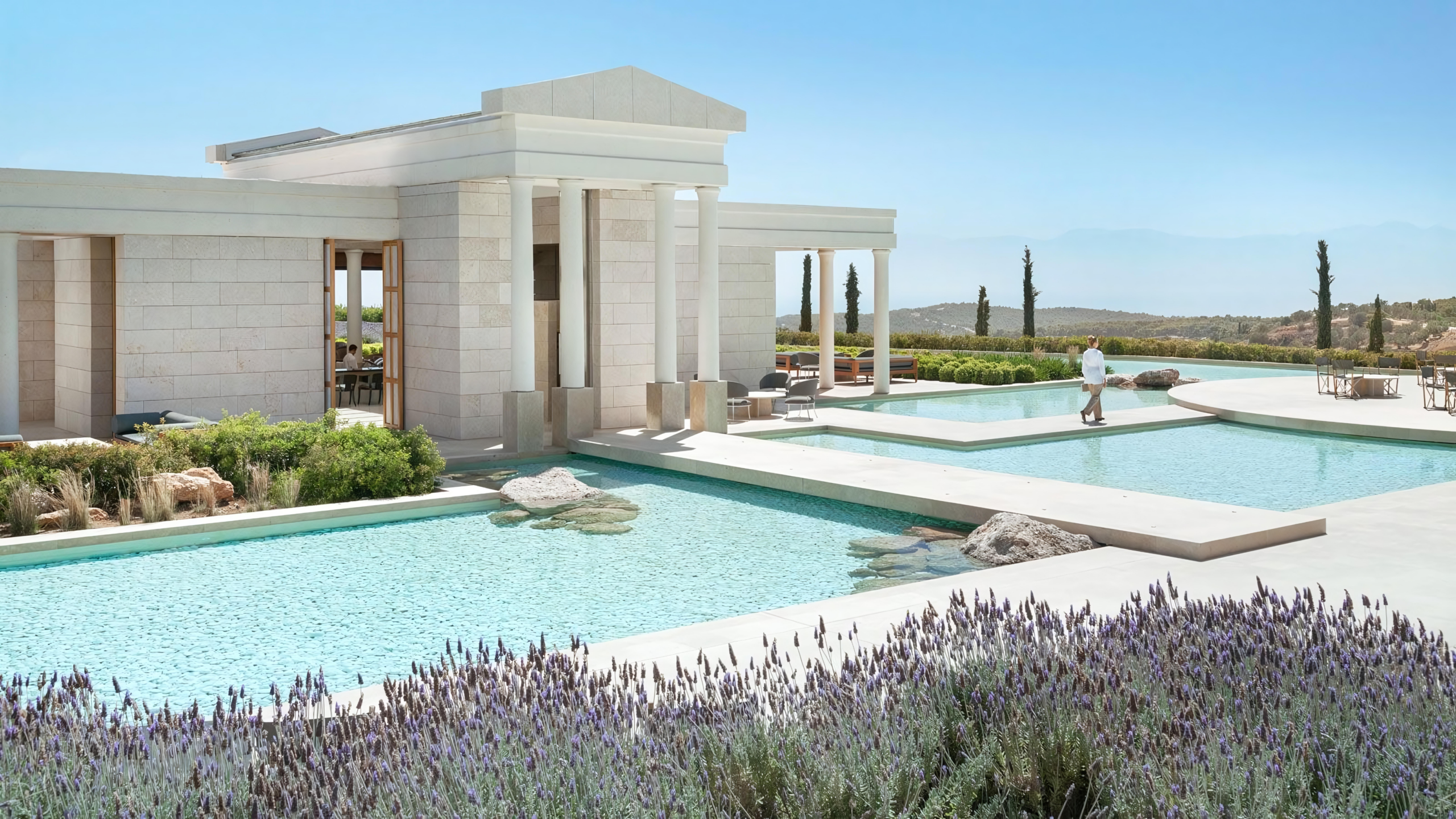
“This is where Greece’s natural latitude becomes a competitive advantage. “
Mild weather, high sunlight exposure, sea-based microclimates, and a geography that encourages movement rather than confinement create ideal conditions for post-treatment recovery and preventive health travel.
These elements are increasingly recognised within European health tourism frameworks as supportive factors for cardiovascular health, mental well-being, and long-term rehabilitation.
At the same time, Greece’s wellness ecosystem is maturing. Beyond spa tourism, the country is seeing structured development in thermal medicine, thalassotherapy, climate therapy, nature-based health practices, and integrated wellness programmes that combine medical supervision with lifestyle recalibration.
This evolution is particularly relevant for solo travellers, long-stay visitors, and individuals seeking preventive or regenerative experiences rather than acute medical intervention.
Wellness travel in Greece is increasingly defined by sensory awareness, embodied experience, and a slower, more intentional rhythm of movement through place.
“Crucially, infrastructure underpins all of this.”
Digital health systems, improved regional connectivity, upgraded airports and ports, and the expansion of quality accommodation outside traditional mass-tourism zones are reshaping the spatial logic of Greek tourism.
Health and wellness travel no longer concentrate exclusively in urban centres; they disperse across regions, islands, and inland destinations with the right infrastructural readiness.
What distinguishes Greece in the international medical and wellness tourism landscape is coherence.
Rather than positioning itself as a purely clinical hub or a luxury wellness playground, Greece operates at the intersection of care, recovery, prevention, and lived experience.
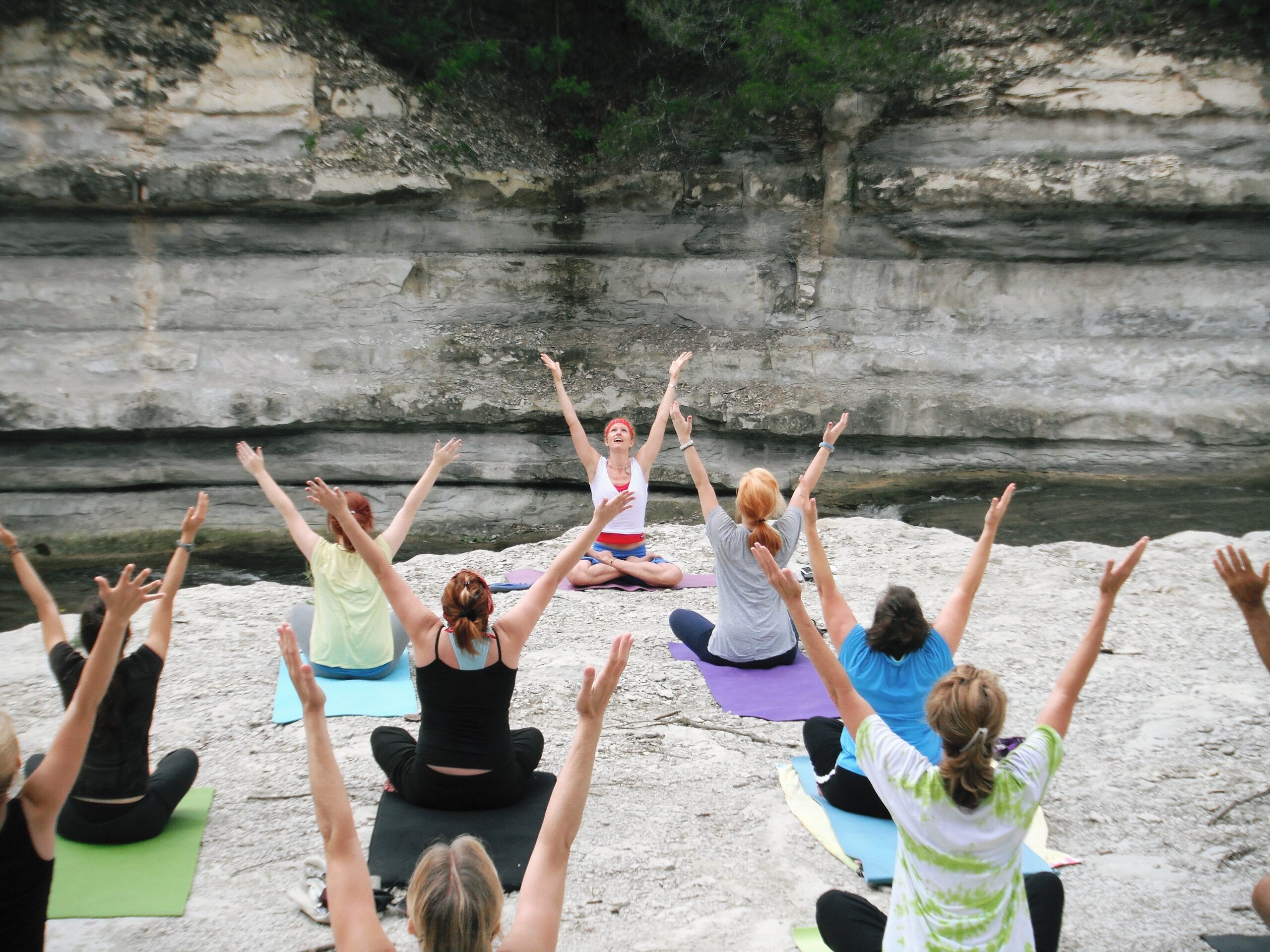
Greece is not positioning itself as a destination for treatment alone, but as a partner in long-term well-being.
ITB Berlin 2026 confirms a broader truth: the future of tourism will be built where infrastructure meets humanity, and where health is understood not as an exception, but as a continuous journey.
Greece’s opportunity lies precisely here.
In shaping a tourism product that is not only competitive, but meaningful.
Not only accessible, but restorative.
A place where health is not marketed, but felt.