






5 SENSES DESTINATIONS: CHANIA THE SOUL OF THE CRETANS
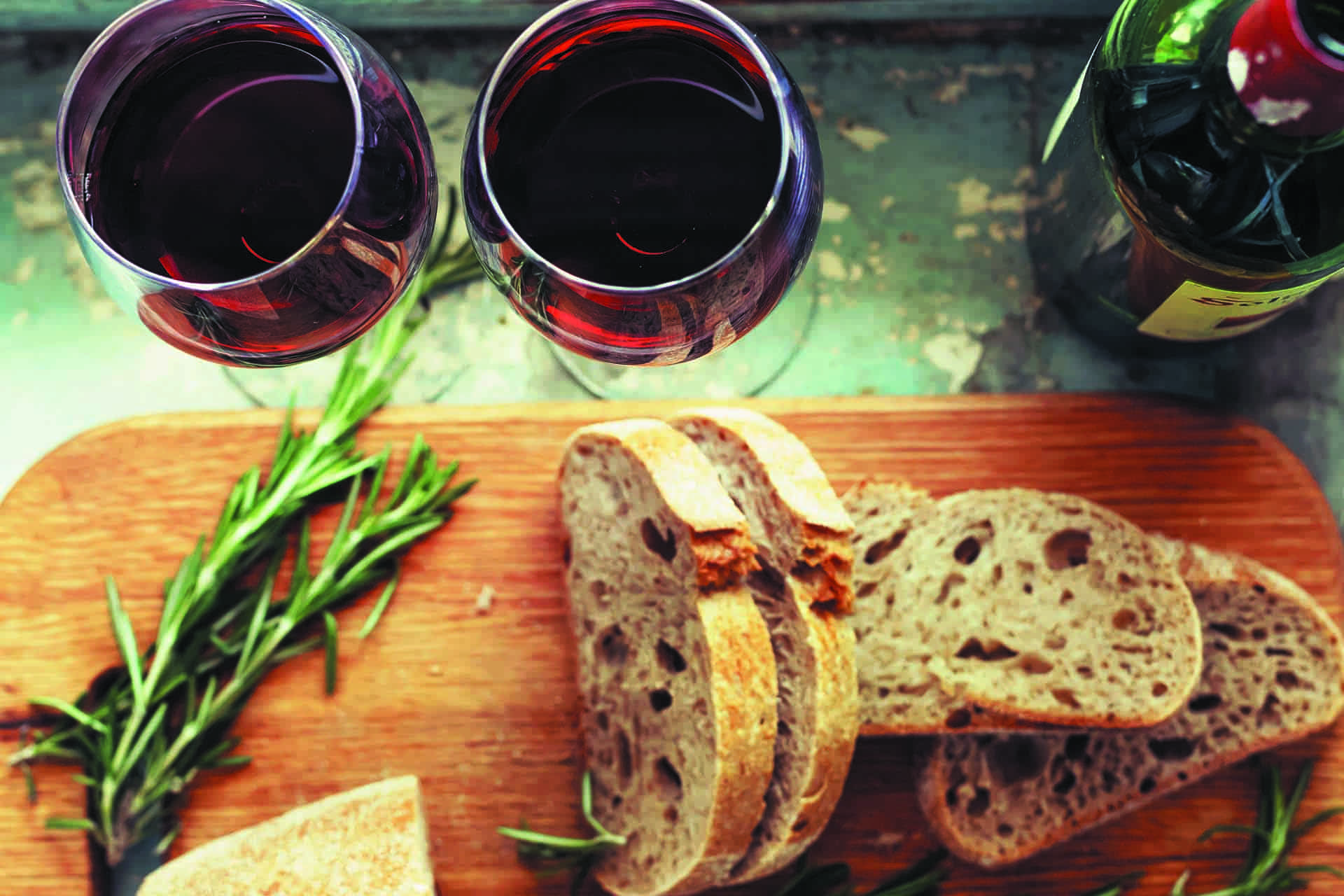
 Chania has a rich gastronomic tradition, based, like the rest of Cretan cuisine, on local products. Wine and olive oil have had an important place in the diet of the Cretans since Minoan times and are an integral part of their culture. Their breakfast started with the necessary “wine soul”, bread that they “dyed” in untreated wine.
wine and continued with honey, fruit, nuts and staka, dairy between cheese and yoghurt. In Chania you will taste the delicious gammopilafo but also the famous Socsiane pies, the Chaniotiko bureki, the stuffed zucchini.
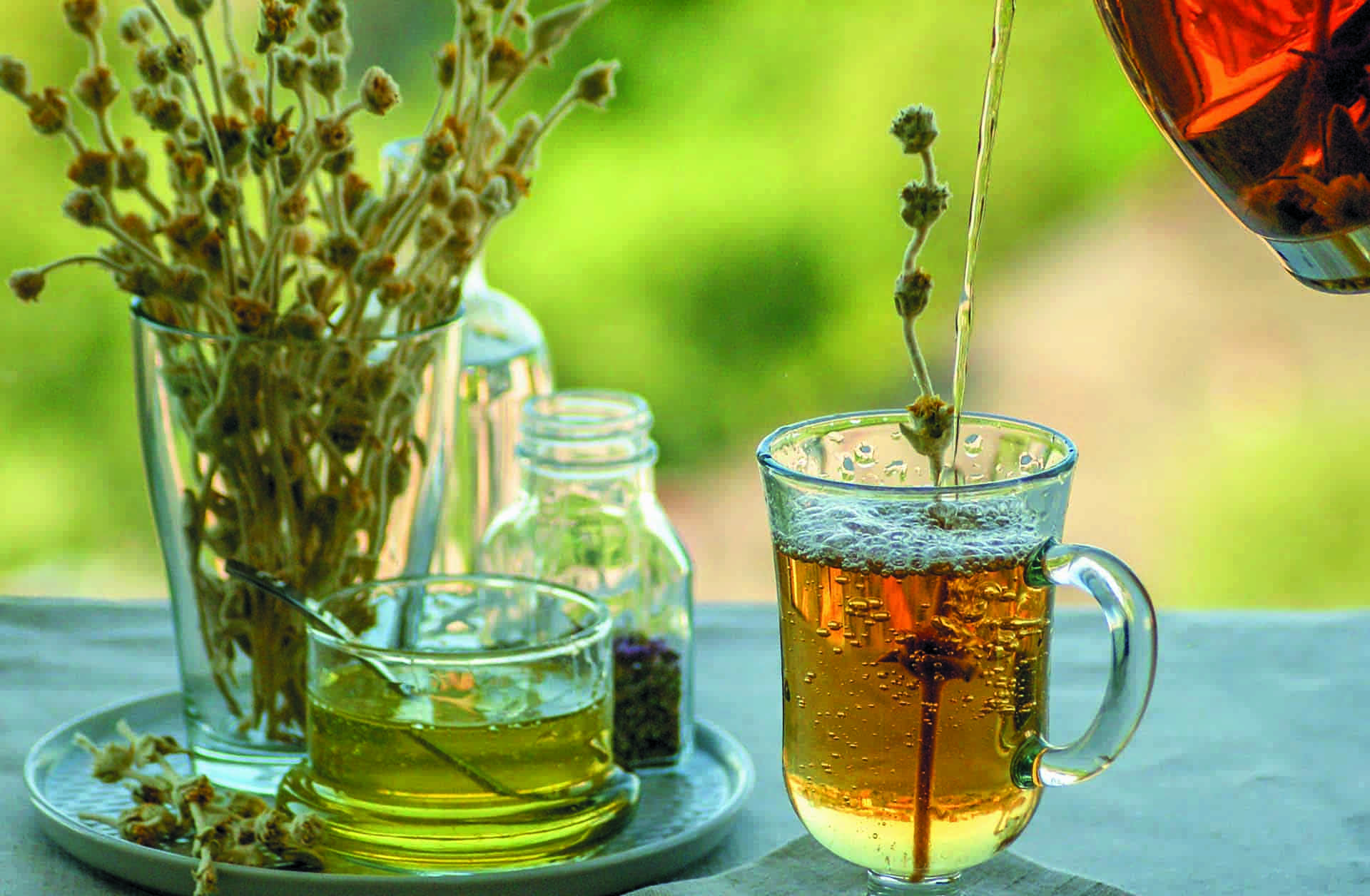
 Of all the herbs of Crete, Chania and especially the mountains and gorges of the region, could not miss Dittany, with its various healing and tonic properties, as well as the fescunis, the wild mint that in Agia Roumeli of Sfakia was used against the swelling of the spleen and was put in the
and pounded as a poultice on skin irritations. The White Mountains are home to the herb malotira, the mountain tea of Crete and the rare plant ambelitsia, from whose wood the Cretan goat’s tail is made.
 Chania has a rich gastronomic tradition, based, like the rest of Cretan cuisine, on local products. Wine and olive oil have had an important place in the diet of the Cretans since Minoan times and are an integral part of their culture. Their breakfast started with the necessary “wine soul”, bread that they “dyed” in unfermented wine and continued with honey, fruits, nuts and staka, dairy between cheese and yoghurt. In Chania you will taste the delicious gammopilafo but also the famous Socsiane pies, the Chaniotiko bureki, the stuffed zucchini.
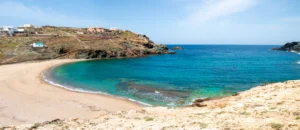
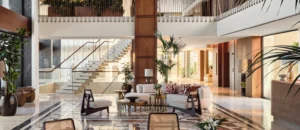
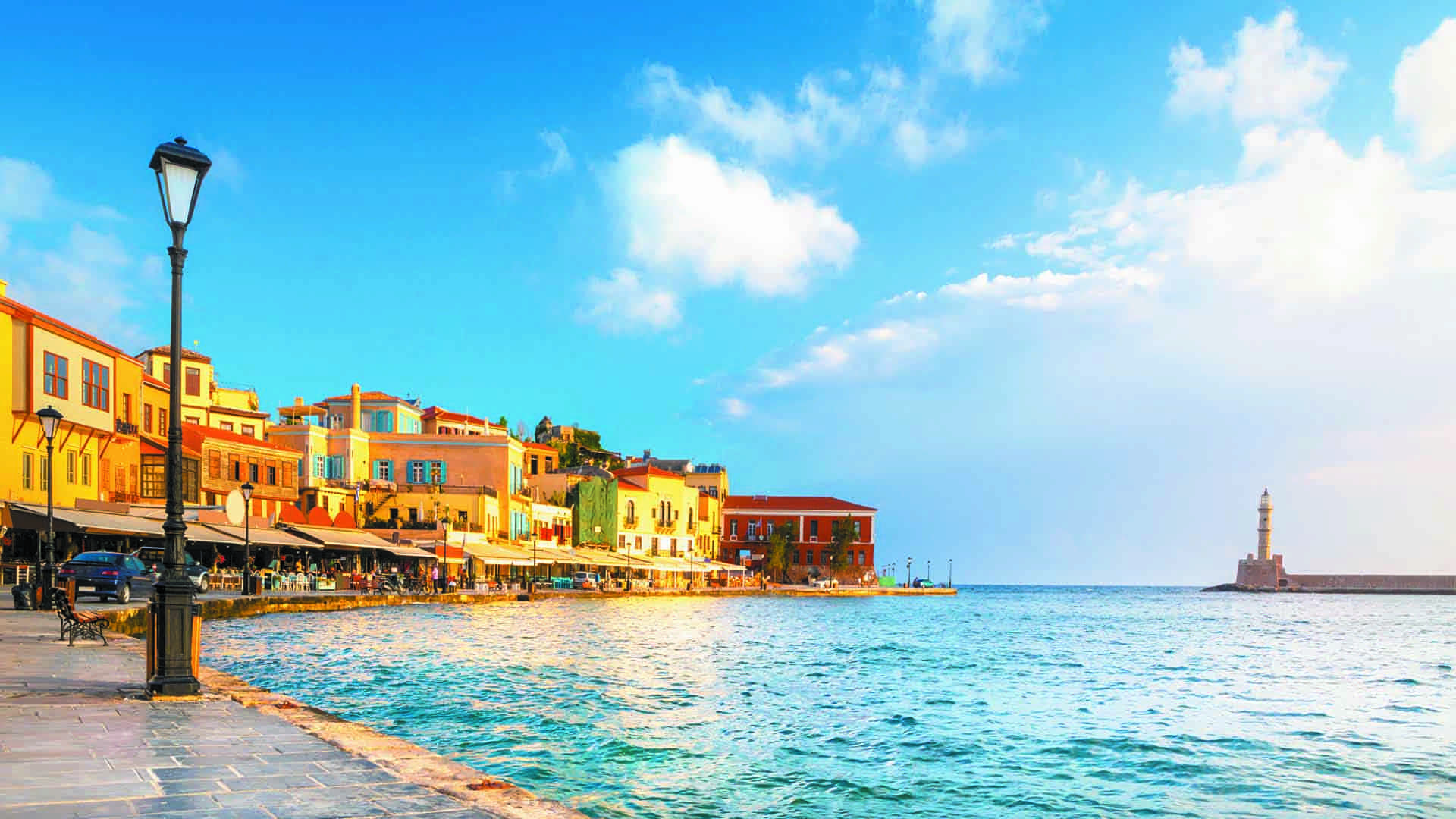
 Traditional or modern accommodation, Chania has it all, with prices starting from 40 euros. Wherever you stay, don’t miss to visit some of the many unique beaches of the area, such as Elafonissi, an elongated peninsula connected to the mainland by a line of sand and the impressive lagoon of Balos with its sometimes deep blue and sometimes turquoise waters. Mountaineering and walking in the White Mountains and Samaria Gorge, paragliding, scuba diving, cycling and many other activities that will make every day exciting.
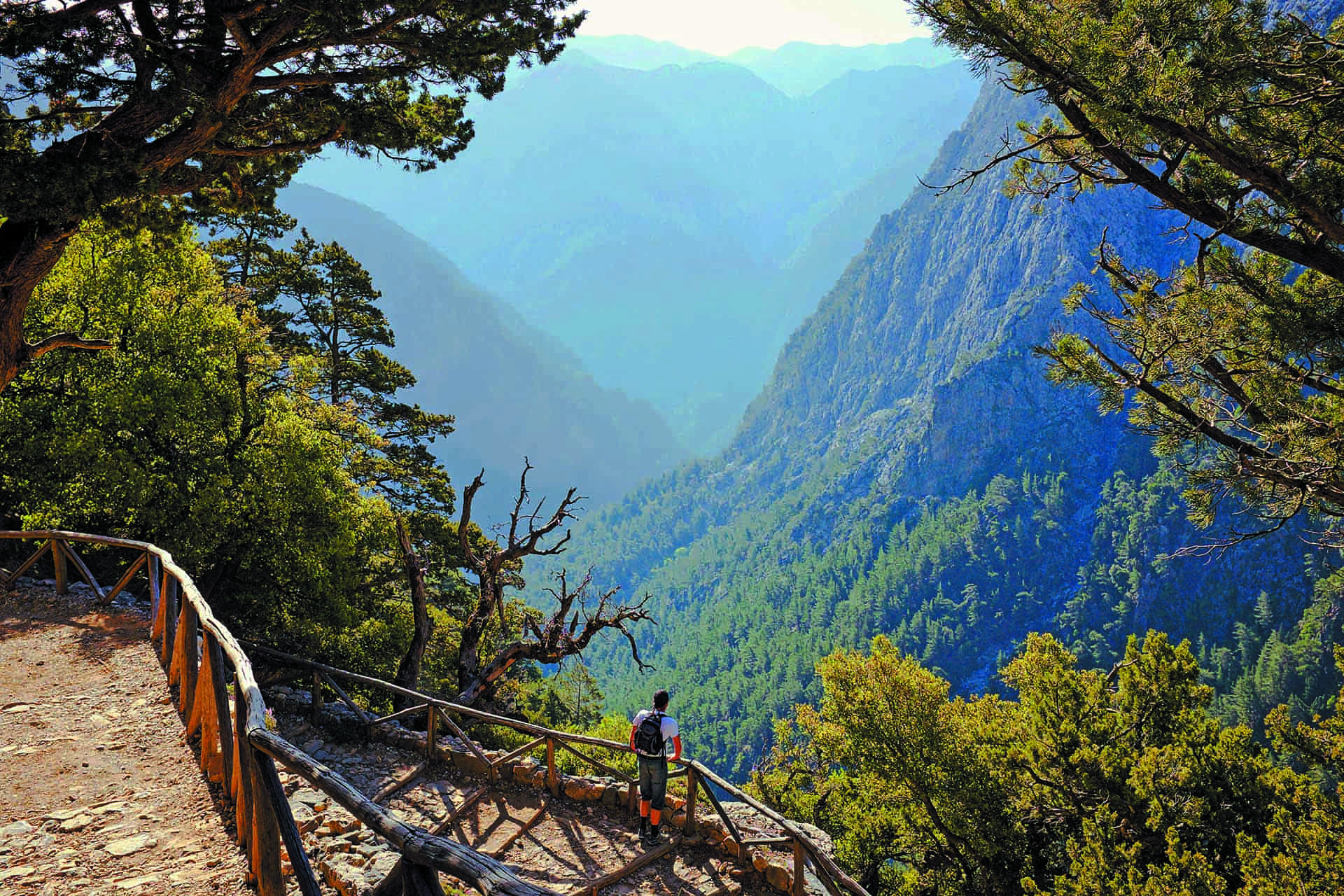
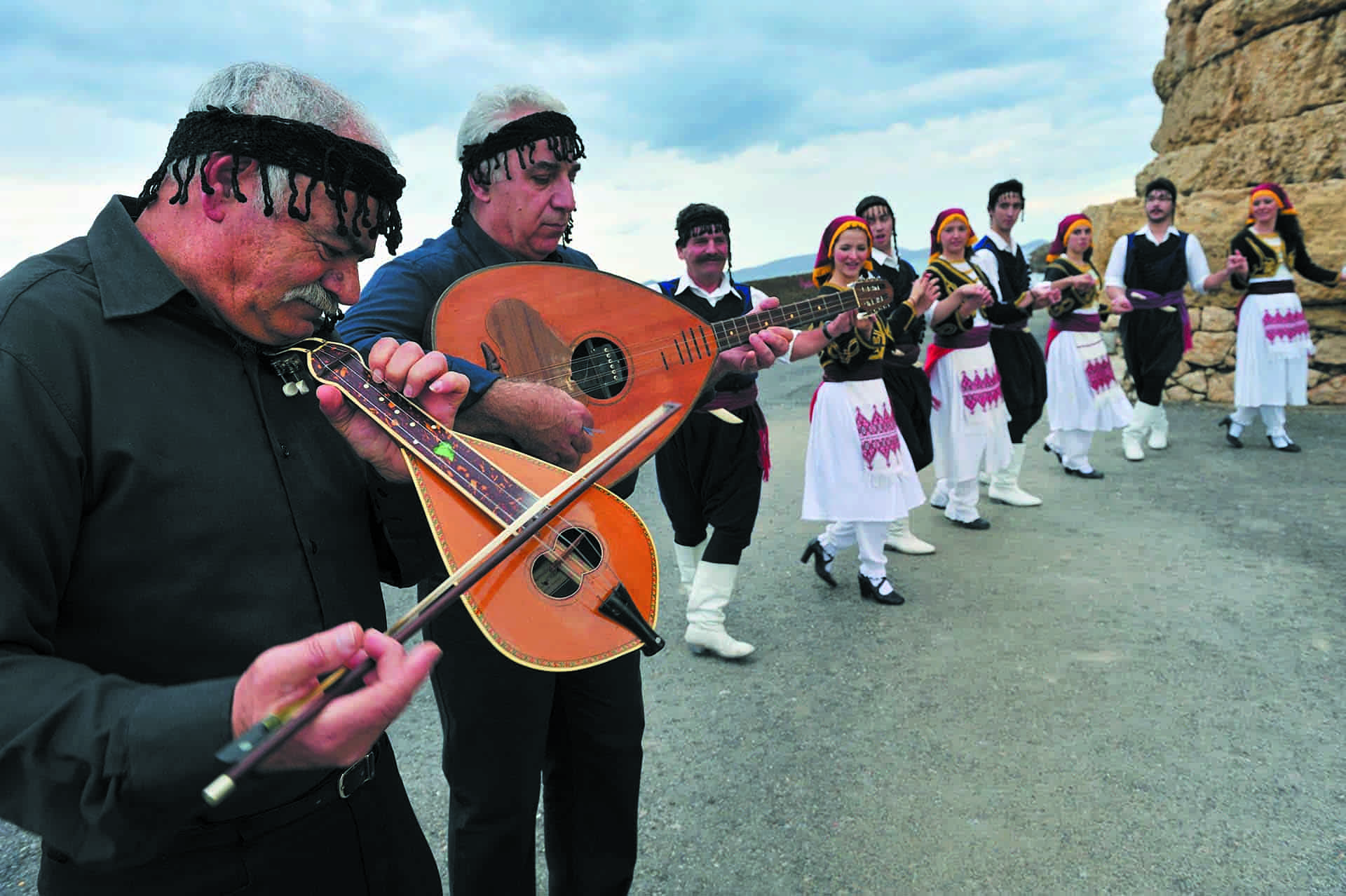
 At the foot of the White Mountains, one of the highest mountain ranges of Crete with sixty peaks, the traditional Rizitika was born. Their music is usually serious and the songs cover all aspects of life, joy, pain and love. Their themes are heroic – revolutionary, historical, foreign, narrative, religious, allegorical, love, pastoral, etc. Forty melodies have been identified on which all rhizitika songs are performed. For authentic Rizitika and traditional feasting, choose the festival of Chrysoskalitissa on August 15 or St. John the Rigoloist on August 29.
INFO
The blackbird, a symbol of Cretan pride and tradition, is the mongoose of the island’s shepherds. It is made from a small tree, the ambelitsia, which grows only in the White Mountains and in mountainous parts of Crete, nowhere else. The goat helped shepherds in walking, especially in mountainous areas and in herding their animals, while sometimes it was used as a weapon.
against the enemy.