






A classic favourite with romantic notes and modern touches, it takes us back to other times, when blue-blooded people walked its cantinas and left behind impressive monuments to “adorn” it, the Mon Repos and the Achilleion. Walk through the historic city centre with the largest square in the Balkans, Spianada Square, the Church of St. Spyridon, the cantinas of Campielo and Liston, a meeting point for coffee and spring promenades. Climb up to the old and new fortress with panoramic views and take pictures with the famous Mouse Island in the background. Experience enchanting sunsets at the “Throne of Kaiser” in Pelekas, in Angelokastro with a view of the whole island and in Pantokrator with the beautiful Corfiot villages in the background.

Troubadours in traditional costumes, accordions, mandolins and guitars, turn to the canteens singing the cheerful, melodic serenades, characteristic of the music of the Ionian Islands. A festive atmosphere spreads everywhere on the island, where the first philharmonic orchestra in Greece was founded (1840) and the composer of our national anthem, Nikolaos Mantzaros, was born.
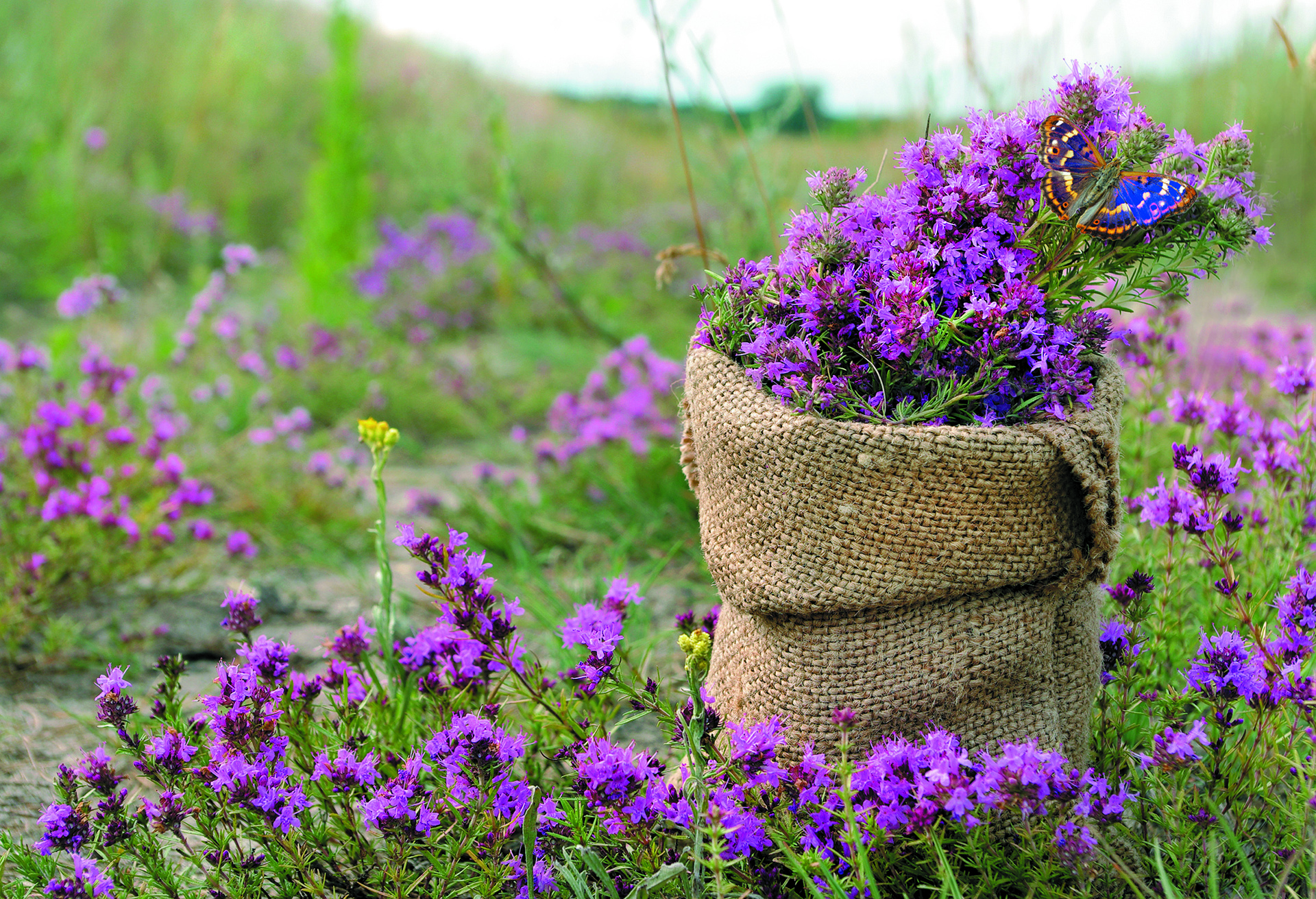
Don’t miss the smell of oregano in the mountains of the island, thyme and sage for those who follow the paths of nature.
Savour the famous beef or veal, the classic sofrito and the fish or octopus burrito. Dishes with Venetian origins, mainly, but also multicultural influences. Try its delicious cheeses, dishes cooked with the authentic butter and of course its sausage, the nouboulo. Try kumquat liqueur or enjoy this golden fruit in a dessert.

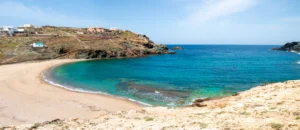
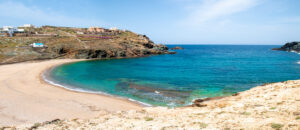
Famous beaches await you, in Benitses, Paleokastritsa and the impressive “Canal d’Amour” (Canal d’Amour). For the more active, there are beautiful walking and cycling routes. South Corfu next to the Corissia Lagoon to the cedar forest, North Corfu to the Antiniotis Lagoon are amazing routes that will fill your spring getaway with unique images.

INFO Did you know that there is a Museum of Asian Art in Corfu and that it has been operating since 1928? It is the only one in Greece and the occasion was the donation of 10,500 works of Japanese and Chinese art by the Greek diplomat, Gregory Manos, at the end of the 19th century. It is housed in the palace of Archangel Michael and St. George.