






In the global maritime landscape, wellness is no longer a pleasant “extra.” It has evolved into a central pillar of design, operation, and guest experience — from superyachts and boutique charters to crew training and the rising expectations of contemporary travellers. The shift is systemic, reshaping the aesthetics, philosophy and business model of modern seaborne hospitality.
Wellness begins at the design stage. New naval-architectural approaches highlight biophilic principles, soft lines, natural textures and adaptable calm zones that transform vessels into environments of restoration and balanced energy. On larger yachts, dedicated recovery rooms, cold-plunge facilities, certified therapists, massage suites and mindfulness decks are now considered standard features. On smaller vessels, wellness is expressed through thoughtful functionality: intelligent lighting, nutritious onboard menus, movement-friendly deck layouts and smart nutrition-forward services.
This evolution also reaches the heart of maritime education. Crews are now trained not only in technical proficiency but also in human wellbeing, psychological awareness and precision hospitality. International organisations advocating for crew welfare have pushed for the adoption of supportive onboard programmes, while yacht-management academies are upgrading their curricula with soft-skills training, emotional-intelligence modules and strategies for preventing occupational fatigue. Today’s maritime experience demands crews capable not only of navigating, but of nurturing.
The shift is further accelerated by Generation Z — a generation that seeks travel with meaning: authenticity, sustainability, tranquillity and experiences that reconnect people with the natural world. For them, the sea serves as a natural sanctuary for decompression. Wellness-oriented charters meet this desire with small-group formats, personalised practices, curated moments of pause and the freedom to move at one’s own rhythm.
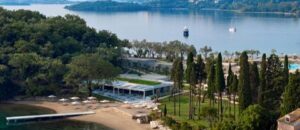
In Greece, the picture becomes even clearer. Geography, the purity of the Aegean light, the diversity of the islands and the deeply rooted tradition of hospitality form the ideal foundation for an authentic “Aegean Wellness at Sea.” At the same time, a new wave of operators and designers is shaping proposals that combine luxury with substance: sailing-and-yoga retreats, nutrition based on local ingredients, nature-infused soundscapes, routes inspired by cultural heritage and services that invest in holistic rejuvenation.
Wellness is no longer a trend — it is an identity. And the maritime world — especially the Greek one — holds the power to elevate this identity into a global benchmark.